



Conveyor Handling: Essential Dos & Don’ts for Optimal Performance
Conveyors are essential material handling equipment used across industries. As its name implies, the conveyor system is equipped with conveyor belts that act as a conveying medium. These powerful belts can carry different products over long distances at varying speeds. Also, they are used in ascending and descending applications. With such a vital role to play, it becomes important that conveyors perform as expected. This is because even a small mistake can cause disastrous results in the production run. There are certain conveyor safety tips that need to be followed to maintain a safe environment. This post highlights effective and proven tips for conveyor handling. Would you like to know what they are? Read this post till the end.
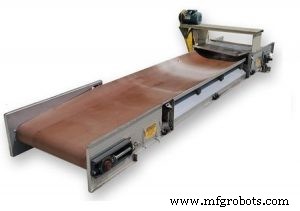
Dos of Conveyor Handling Explained
There are many things to keep in mind when handling the new or used conveyor system. Here are some useful pointers:
- Keep the Operating Area Clean: This is one of the important considerations for conveyor handling. The conveyor should never accumulate dirt, waste, grease, and so on. Thus, there is a high risk of contamination as well as mold and bacterial growth. Therefore, it is important to clean all personnel and equipment before starting the operation of the conveyor line.
- Keep Lose Items Away: Conveyors can easily catch loose clothing, long hair, and body parts, resulting in severe injuries. Thus, make sure your hair is tied using a rubber band, remove unwanted accessories such as rings, bracelets, watches, and other items that could pose a hazard. Also, avoid wearing baggy clothing when working near conveyors.
- Set Operator Standards: Employees should be trained on how to operate or maintain conveyor parts if they are authorized to do so. Other than this, they should be aware of emergency control and evacuation protocols before using the system.
- Make Proper Use of Controls: Everyone who works with conveyors should know the emergency start and stop controls for the system. To prepare for sudden emergencies or other problems like blockages, familiarize employees with appropriate control devices.
- Make Safety the First Priority: Proper training regarding the safe use of conveyors should be an integral part of operations. An employer should conduct safety training programs regularly, provide refresher training to existing employees, and also make visitors aware of safety concerns at the facility.
Don’ts of Conveyor Handling Explained
There are several things to avoid when using the conveyor system. The following are some useful pointers:
- Sit, Stand, Walk, or Climb on Conveyor: It is important to understand that conveyors are not designed for people. The system comes with many features like pinch points that can easily catch loose clothing. This can cause significant damage to the person and the system.
- Work on Conveyor Part When the System is Live: Don’t opt for any maintenance program unless the system’s switch has been disconnected. Make use of a lockout system to ensure power remains off while the system is running under service.
- Ignore Issues: Any doubts related to machine operation or safety should be clarified immediately. Employees who work with conveyors should be properly trained to notify a supervisor if any issue occurs, no matter how minor it may seem.
- Mistreat Controls: Misuse or modifications of controls can lead to unsafe working conditions. Therefore, only a qualified person or an employee has the right to perform adjustments if that is a requirement.
Along with all safety considerations, the quality of the new or used conveyor system makes a huge impact on the security of employees. Therefore, you must employ industry-leading suppliers such as JM Industrial to ensure a high-quality purchase. Over the years, the company deals in wide range of new as well as surplus belt conveyors, bucket elevators, flexible screw conveyors and other conveyors.
Industrial equipment
- Molybdenum Rods: Types, Applications, and Care
- Cobalt Alloys: Composition, Key Properties, and Industrial Applications
- Shocks vs. Struts: How They Keep Your Vehicle Stable
- Understanding Textile Dyes and the Dyeing Process
- Connected Manufacturing: What It Is & Its Key Benefits
- Key Components of a Reliable Compressed Air System
- Hydraulic Systems Explained: Fundamentals and Real-World Applications
- Understanding Overvoltages in Power Systems: Causes and Impact
- Polystyrene Insulation: Pros, Cons, and Key Considerations
- Top Causes of Hydraulic System Failures and How to Prevent Them