



Polystyrene Insulation: Pros, Cons, and Key Considerations
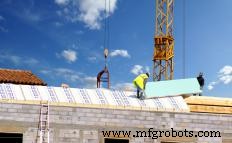
Polystyrene insulation is a type of insulation commonly found in home construction. The lightweight material is less irritating to install than fiberglass and is easily cut to fit into walls and ceilings. Its insulating factor is far less than a comparable fiberglass bat, however. One advantage that it offers is that it is relatively inexpensive. Perhaps the greatest disadvantage with this material is its inability to absorb moisture.

Insulation does two things when properly installed: it retains heat in the winter and reflects heat during the summer. While fiberglass insulation is most commonly known by the average homeowner, polystyrene insulation is a viable option for most insulating needs. It does, however, have some drawbacks and benefits that should be investigated prior to its installation. The ease of installation and lack of skin irritation is one benefit of using polystyrene. Most commonly known as pink or blue board Styrofoam™, this insulation comes in large square sheets that are scored with a knife for easy separation in intervals that match most common stud spacings.
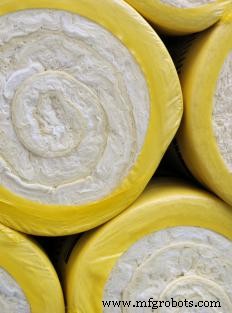
The easy separating construction is an advantage to this type of insulation, and it is responsible for time savings in many installations. The board-like configuration prevents it from sagging and falling over time, which helps prevent hot and cold spots in any given exterior wall. The most problematic trait of the Styrofoam™ board is in its inability to wick moisture out of the structure. The smooth finish on the foam board is resistant to water; therefore, any moisture trapped in the wall will remain in the wall without a way to be vented away.
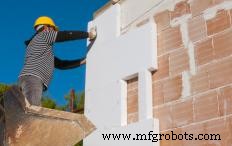
Another disadvantage with the polystyrene insulation is its incompatibility with most electrical wiring. The protective plastic coating used on most common electrical wiring will erode prematurely if it comes into contact with the foam insulation. This can lead to electric shock as well as fire that could potentially injure or kill occupants of the structure and could result in loss of the structure itself. Some manufacturers offer wiring with a special purple coating that will not be damaged by the insulation, but this can eliminate any cost savings from using polystyrene instead of fiberglass insulation.
This type of foam insulation also has relatively low insulating properties when compared to fiberglass bat-type insulation. The polystyrene must be applied in several layers in order to achieve the same rating as a single bat of the fiberglass mat. When installed between a structure's roof rafters, however, the foam does add a layer of insulation that is energy-saving and efficient.
Industrial equipment
- Die Casting: Advantages, Challenges, and Key Insights for Manufacturers
- Fracking Explained: Process, History, and the Debate on Its Impact
- Thread Milling vs. Tapping: Expert Review of Pros, Cons & Performance
- Should You Coat Your Pump? Weighing the Benefits and Drawbacks
- Technology in Manufacturing: Benefits, Challenges, and Future Outlook
- Corrective Maintenance: Pros, Cons, and How It Impacts Your Business
- Discover the Benefits of Polystyrene Ceiling Tiles for Modern Interiors
- Polystyrene Applications: From Packaging to Construction
- Wire EDM Cutting: Pros, Cons, and How to Choose
- Tower Cranes: Key Advantages, Limitations, and Best Practices