



Molding vs Casting: Key Differences and Benefits for Carbon Fiber Parts
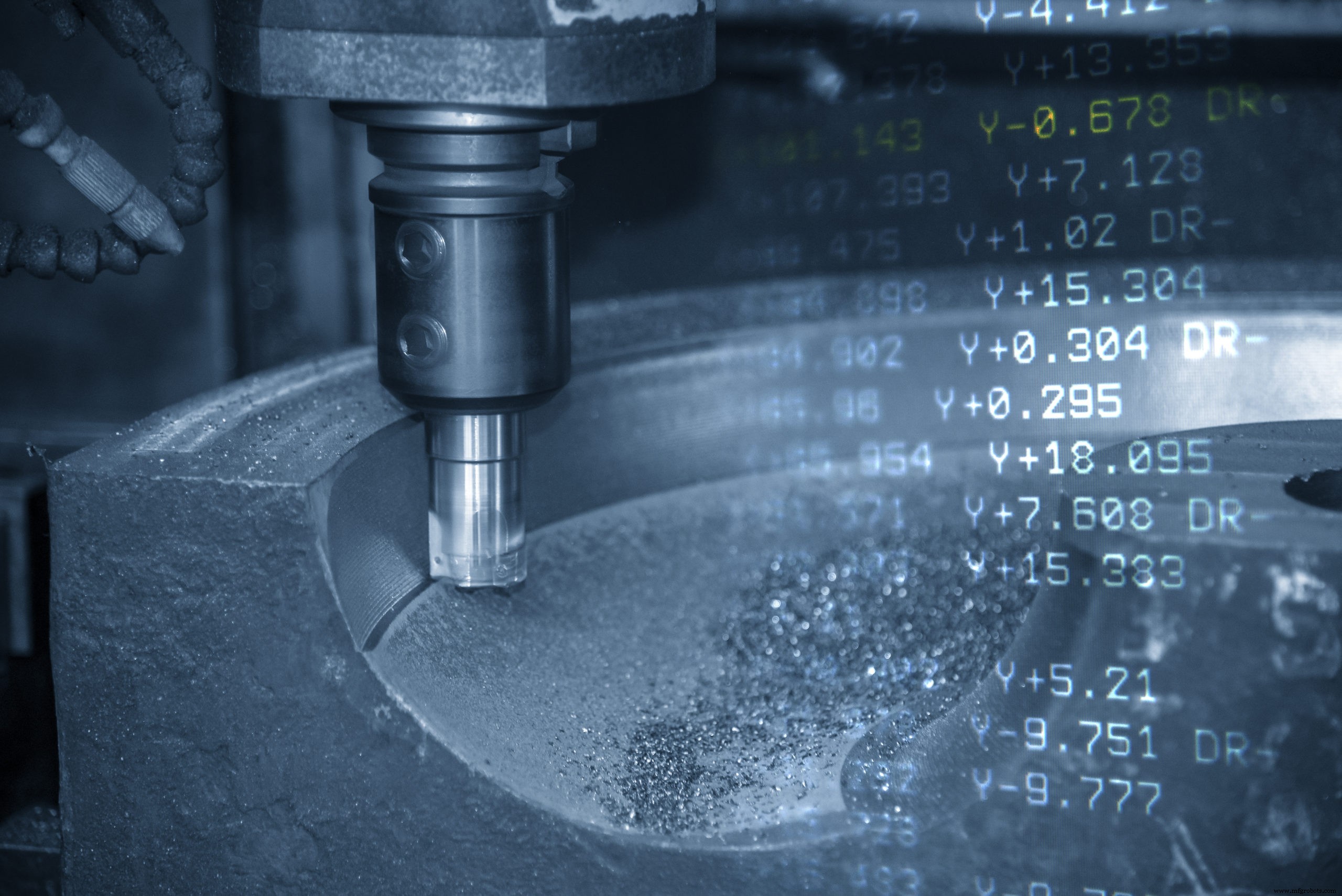
Manufacturers across industries rely on compression and injection molding to produce high‑quality components. When it comes to carbon‑fiber parts, the choice between molding and casting can influence cost, precision, and performance.
SMI leads the market in carbon‑fiber manufacturing for automotive and aerospace applications, offering tailored engineering and production solutions. In this guide we compare the two primary fabrication routes—molding and casting—and explain how SMI’s expertise delivers superior results.
Molding vs Casting
Molding and casting are complementary steps in composite production. First, a mold is fabricated; then, the chosen material is introduced—either by compression or injection—to fill the cavity before the part is cured.
Molding
At SMI, we produce carbon‑fiber components using precision composite presses. The process starts with a master part; we create a mold that matches its dimensions, whether the component requires a single‑piece or multi‑section tool.
Compression Molding vs Injection Molding
Compression molding applies heat and pressure to shape raw material into a mold, making it ideal for high‑volume runs of varied shapes and sizes at a lower cost. Injection molding, by contrast, forces heated material into a cavity, delivering tighter tolerances and reduced labor for complex geometries.
Casting
After the mold is assembled, we introduce the carbon‑fiber resin (or other composite) into the cavity. The material is then cured—often under autoclave pressure—to produce the final part, ready for finishing and assembly.
Carbon fiber’s strength-to-weight ratio makes it a go‑to material for bicycles, smartphones, and high‑performance automotive and aerospace components. SMI manufactures parts for both decorative and structural applications, ensuring each piece meets rigorous quality standards.
Leading the Industry
Understanding the nuances between molding and casting helps you select a partner that delivers precision and reliability. SMI’s portfolio includes autoclave curing, out‑of‑autoclave curing, bladder molding, cast molding, and compression molding—backed by robust tooling and quality assurance.
Contact us to discuss your project. Our team will assess your requirements and design a production plan that aligns with your objectives.
fiber
- Fiberglass vs. Carbon Fiber: Key Differences and How to Choose the Right Composite
- Kevlar Demystified: Composition, Applications, and Benefits
- Connected Manufacturing: What It Is & Its Key Benefits
- Maintenance vs. Repairs: Key Differences & Budget Optimization
- Unlocking Efficiency: Key Benefits of Plastic Injection Molding
- Choosing Between Horizontal and Vertical Milling & Turning: Key Differences Explained
- Investment Casting vs. Die Casting: Key Differences Explained
- Sand Casting vs. Die Casting: Understanding the Key Differences
- CNC Milling vs. CNC Punching: Key Differences Explained
- Brushed vs Brushless DC Motors: Key Differences Explained