



Tap Wrenches Explained: How They Work, Types, and Practical Uses
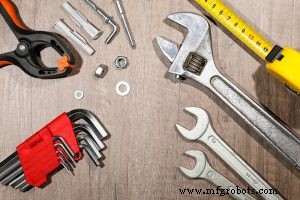
Wrenches are essential for installing and removing fasteners. While socket and open‑end wrenches are common, a specialized variant known as a tap wrench plays a vital role in creating internal threads. In this guide we explain what a tap wrench is, how it works, and when you might choose a double‑ended model.
Overview of Tap Wrenches
A tap wrench, also called a T‑handle wrench, is a handheld tool that features a removable tap at its tip. The T‑shaped handle provides a firm grip, while the vertical shaft delivers torque straight to the tap. Swapping the tap lets you work with a range of thread sizes, making the tool highly versatile for both hobbyists and professionals.
How Tap Wrenches Work
Tap wrenches are primarily used to cut internal threads in a pre‑drilled hole. The process is simple yet precise:
- Insert the tap into the pilot hole.
- Rotate the handle clockwise to cut threads.
- Reverse the rotation to remove the tap.
Because the tap is driven directly by the wrench, you can maintain control over depth and torque, which reduces the risk of stripping the hole or damaging the material. Industry standards such as ANSI B18.2.3 outline the recommended torque values for various tap sizes, ensuring consistent results.
Double‑Ended Tap Wrenches
Standard tap wrenches have a single tap, but double‑ended tap wrenches feature two taps on opposite ends of a shared shaft. These are ideal when you need to work with larger tap sizes or when the workpiece is too thick for a single‑tap design. The double‑ended configuration also allows you to alternate between taps without changing the handle, saving time in high‑volume applications.
Whether you’re machining a custom component or maintaining industrial equipment, a tap wrench—standard or double‑ended—provides a reliable, efficient way to create clean internal threads.
Industrial equipment
- 5 Essential Types of T‑Handles: What Every Operator Should Know
- Shearing: A Fast, Clean, and Versatile Metal Cutting Solution
- Bolt Snap Fasteners Explained: Types, Functionality, and Applications
- Why Gas Springs Are the Smart Choice for Modern Applications
- Toe Clamps Explained: Features, Benefits, and How to Pick the Right One
- Centrifugal Casting Explained: Process, Advantages, and Applications
- Flat vs. Lock Washers: Key Differences and When to Use Each
- Jig Feet Buttons Explained: How They Secure Your Jigs and Boost Manufacturing Efficiency
- Scan-Pac Friction Solutions: Expert Insights for Optimal Performance
- Knurling Explained: Mastering Textured Finishing Techniques