



Knurling Explained: Mastering Textured Finishing Techniques
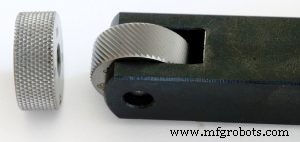
In manufacturing, knurling is a finishing process used to create any combination of horizontal, vertical or crossing lines on the surface of a workpiece. For example, if a manufacturing company wants to add a diamond-patterned texture to a product — or a component of a product — it may use knurling. Knurling can be performed either by hand or by machine, both of which allow for the creation of a textured surface.
Overview of Knurling
Even if you’re unfamiliar with knurling, you’ve probably seen a knurled product or object before. Hammers, wrenches and other hand tools are often manufactured with a knurled grip. When performed on the grip, knurling creates a patterned texture to prevent hand slippage. Knurling doesn’t add material to the grip. Rather, it creates the textured surface either through pressure or by cutting away some of the material.
Knurling tools are designed with a specific pattern that, when pressed against a workpiece, creates the same pattern. By using a tool with a specific pattern, manufacturing companies can achieve the same textured pattern on their products.
Hand vs Machine Knurling
There are two primary ways to perform knurling: by hand or by machine. The former involves the use of a rolling roll that creates the desired pattern as it’s pressed against the surface of the workpiece, whereas the latter involves the use of a lathe to cut the desired pattern into the workpiece.
Hand knurling is the most basic method, requiring nothing more than small roller tool. As the worker runs this tool across the surface of a workpiece, it leaves behind a textured surface in the pattern of the tool’s indention. Machine knurling, on the other hand, is a more complex process that requires a lathe. Unlike hand knurling, machine knurling doesn’t create textured surfaces through pressure. Instead, it uses a bit to cut the material out of the workpiece.
The Purpose of Knurling
Knurling can enhance the aesthetics of a product by introducing an attractive pattern to its surface. Most people will agree that textured finishes are more attractive than smooth finishes. Aside from aesthetics, though, there are practical reasons for manufacturing companies to perform knurling.
Products that require gripping, such as hand tools, are often knurled to improve their performance and usability. If a hammer has a smooth grip, the user’s may hand slip while attempting to hold and use it. Knurling protects against this hand slippage by creating a textured pattern that’s easier to grip.
See Monroe’s Knurled Knobs.
Industrial Technology
- Bolt Snap Fasteners Explained: Types, Functionality, and Applications
- Tap Wrenches Explained: How They Work, Types, and Practical Uses
- Toe Clamps Explained: Features, Benefits, and How to Pick the Right One
- Essential Guide to Transformer Oil Testing for Reliable Power Systems
- Jig Feet Buttons Explained: How They Secure Your Jigs and Boost Manufacturing Efficiency
- Unlock Efficiency: Key Advantages of Lean Manufacturing
- TAA Compliance Explained: 5 Key Points Every Supplier Must Know
- Expert Guide to Sample Cylinder Maintenance: Key FAQs & Best Practices
- Evaporative Pattern Casting Explained: Key Insights for Professionals
- Cooling Towers Explained: Function, Importance, and Industry Applications