



Toe Clamps Explained: Features, Benefits, and How to Pick the Right One
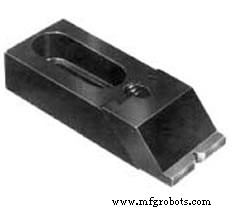
Securing a workpiece is essential to prevent damage during machining, drilling, or sanding. One reliable solution is the toe clamp, which anchors the part by clamping onto its side.
Overview of Toe Clamps
Toe clamps are rectangular devices that feature a distinctive “toed” edge. By pressing this edge against the side of the material, the clamp grips and holds the part in place, preventing lateral movement while keeping the top surface free.
Benefits of Using Toe Clamps
Unlike traditional clamps that occupy the top surface, toe clamps sit on the side of the workpiece, leaving the upper face accessible for inspection and tool operation. Their low‑profile design ensures they do not interfere with adjacent tools or fixtures, making them ideal for tight workspaces and precision tasks.
Because the clamp does not cover the top, you can maintain full visibility and reach, which is particularly valuable when working with complex shapes or when a tool must be positioned directly above the part.
How to Choose Toe Clamps
When selecting a toe clamp, look for a toed edge with teeth or serrations; these provide the friction needed to secure the workpiece firmly. A smooth edge may slip, especially on slick or polished surfaces.
Check the locking mechanism before purchasing. Many toe clamps are adjusted and locked with a simple hex key, while others use cam locks, quick‑release knobs, or screw‑type fasteners. Ensure you have the required tool and that the lock offers reliable tension.
Grip height is another key consideration. Low‑grip clamps are designed to latch near the bottom of the side, whereas high‑grip clamps reach higher up. Match the clamp’s height to the dimensions of your part for optimal stability and to avoid over‑pressuring thin sections.
Material choice matters as well. Stainless steel toe clamps offer corrosion resistance and durability, while aluminum models provide a lighter weight option for smaller or temporary fixtures.
By evaluating teeth, locking method, grip height, and material, you can select a toe clamp that delivers secure holding power without compromising tool access or workspace.
Industrial equipment
- 5 Essential Types of T‑Handles: What Every Operator Should Know
- Shearing: A Fast, Clean, and Versatile Metal Cutting Solution
- Bolt Snap Fasteners Explained: Types, Functionality, and Applications
- Why Gas Springs Are the Smart Choice for Modern Applications
- Tap Wrenches Explained: How They Work, Types, and Practical Uses
- Centrifugal Casting Explained: Process, Advantages, and Applications
- Flat vs. Lock Washers: Key Differences and When to Use Each
- Unlock Efficiency: Key Advantages of Lean Manufacturing
- Scan-Pac Friction Solutions: Expert Insights for Optimal Performance
- Knurling Explained: Mastering Textured Finishing Techniques