



Why Gas Springs Are the Smart Choice for Modern Applications
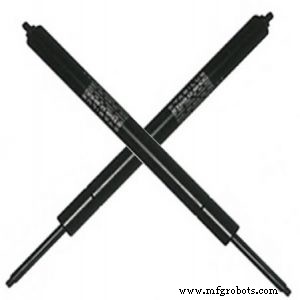
Gas springs—also known as pneumatic or gas‑filled springs—are revolutionizing the way we think about mechanical support. Unlike traditional coil springs, a gas spring consists of a sealed cylinder filled with high‑pressure gas and a piston that retracts under load, creating a smooth, predictable force. Below, we break down the key advantages that make gas springs a top pick for industrial, automotive, and consumer products alike.
Low Maintenance
One of the standout benefits of gas springs is their minimal upkeep. All moving components are sealed inside the cylinder, protecting them from dust, moisture, and mechanical wear. Because there’s no need for regular cleaning or lubrication, installation costs drop and downtime is virtually eliminated.
Long‑Lasting Durability
Gas springs outlast many conventional springs. The pressurized gas protects the internal mechanism from corrosion and fatigue that commonly degrade metal coils. In high‑cycle environments—such as elevator doors, industrial lift tables, or heavy‑duty automotive hoods—gas springs maintain consistent performance for years, often exceeding the lifespan of traditional coils.
Locking Options for Versatility
Gas springs come in both locking and non‑locking variants. A locking gas spring can be securely held in a specific position, ideal for applications where a stable “off” state is required, such as in automotive hoods or lift‑gate mechanisms. Non‑locking models provide continuous motion, perfect for adjustable seating or recliner applications. This flexibility allows designers to choose the exact behavior needed for each product.
Superior Ergonomics
The smooth retraction of a gas spring translates to a more comfortable user experience. Whether it's an office chair that gently eases into an ergonomic posture or a storage cabinet that opens with effortless glide, gas springs reduce the effort required by users and decrease the risk of strain or injury.
In Summary
Gas springs combine low maintenance, extended durability, customizable locking features, and ergonomic performance—making them a reliable, high‑quality choice for modern engineering challenges.
Explore Monroe’s Gas Springs
Industrial equipment
- 5 Essential Types of T‑Handles: What Every Operator Should Know
- Shearing: A Fast, Clean, and Versatile Metal Cutting Solution
- Bolt Snap Fasteners Explained: Types, Functionality, and Applications
- Tap Wrenches Explained: How They Work, Types, and Practical Uses
- Toe Clamps Explained: Features, Benefits, and How to Pick the Right One
- Centrifugal Casting Explained: Process, Advantages, and Applications
- Flat vs. Lock Washers: Key Differences and When to Use Each
- Unlocking Mobile HMI: Key Advantages for Modern Industry
- Unlock Efficiency: Key Advantages of Lean Manufacturing
- Revolutionizing Rail Operations: Key Equipment Innovations You Need to Know