



The 5 Most Common Non‑Ferrous Metals & Their Key Uses
The Periodic Table lists more than 90 metallic elements. Each can be grouped as ferrous or non‑ferrous based on iron content. Ferrous metals contain iron, while non‑ferrous metals do not. Below are five of the most widely used non‑ferrous metals.
#1) Copper
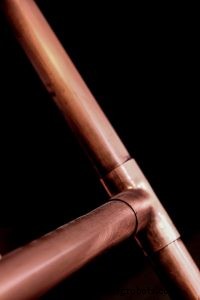
Copper (Cu, atomic number 29) is prized for its excellent electrical conductivity, strength, and corrosion resistance. It is the backbone of electrical wiring, printed circuit boards, and many industrial components.
#2) Aluminum
Aluminum (Al, atomic number 13) is celebrated for its low density—roughly one‑third the weight of steel—while retaining substantial strength. It is ubiquitous in aerospace, automotive, construction, and consumer goods.
#3) Nickel
Nickel (Ni, atomic number 28) is a silver‑golden metal known for its corrosion resistance and high melting point. It is a key alloying element in stainless steel, corrosion‑resistant coatings, batteries, and fuel cells.
#4) Tin
Tin (Sn, atomic number 50) is a soft, malleable metal with a silver‑white appearance. Historically used for food packaging and solder, it is now primarily employed in tin‑plate, alloys, and as a protective coating.
#5) Zinc
Zinc (Zn, atomic number 30) tarnishes in air due to oxidation but forms a protective oxide layer that prevents further corrosion. Its primary application is galvanization, where it coats iron and steel to extend lifespan.
Industrial equipment
- 4 Essential Types of Coil Springs Explained
- Understanding the Three Most Common Hose Clamp Types
- Why Non‑Ferrous Metals Matter: Key Advantages for Industry
- Understanding the Four Most Common Types of Plungers
- 5 Common Types of Knobs and Their Practical Applications
- What Are Non-Ferrous Metals? – A Comprehensive Overview
- Top 5 CNC Machine Types Every Manufacturer Should Know
- Ferrous & Non-Ferrous Metals: Optimizing Casting Design for Performance and Efficiency
- Understanding Rust: Which Metals Corrode and How It Happens
- Exploring Metal Types: Classifications and Key Properties