



Flange Bearings 101: What They Are, How They Differ, and How to Choose the Right One
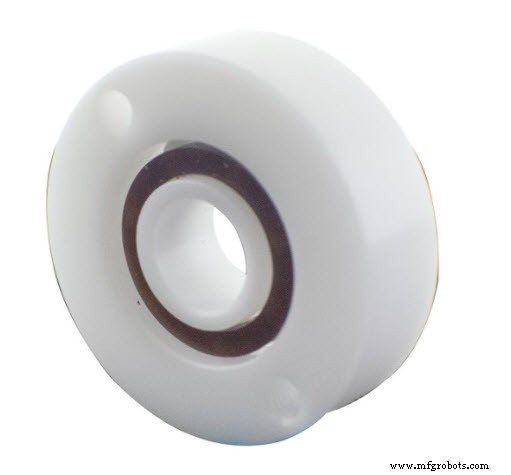
Industrial bearings play a vital role in reducing friction and supporting loads in rotating machinery. Flange bearings, a specialized variant, combine the core functionality of standard bearings with an additional lip—or flange—on the outer race to enhance mounting security and alignment.
What Is a Flange Bearing?
A flange bearing consists of:
- Inner and outer races that define the track for the rolling elements.
- Balls or rollers that carry the load and enable smooth rotation.
- A cage that keeps the balls evenly spaced.
- Flange—a lip on the outer race that provides a more secure fit to the housing.
All these components work together to maintain precise alignment and reduce wear, but the flange distinguishes this type from its unflanged counterparts.
Flange Bearings vs. Standard Bearings
Both bearing families share the same basic construction—races, rolling elements, and a cage—but the flange bearing’s lip on the outer race delivers:
- A tighter engagement with the housing, reducing play.
- Improved load distribution along the bearing face.
- Greater resistance to axial forces in some applications.
Standard bearings lack this lip, offering a smoother exterior that is adequate for many general‑purpose tasks but less secure when a precise fit is required.
Key Considerations When Selecting Flange Bearings
Choosing the right flange bearing involves evaluating several material and design factors:
Material Composition
Flange bearings are typically composite structures. Common choices include:
- Cage materials such as nylon or acetal for low friction and corrosion resistance.
- Ball materials like ceramic or glass for high‑temperature or high‑speed environments.
When operating in chemically aggressive media, opt for non‑corrosive materials—stainless steel or titanium alloys—to prevent degradation.
Flange Size and Shape
The flange’s width and thickness must match the application’s mounting requirements. A larger flange offers better load support but may require a larger housing clearance. Conversely, a slimmer flange fits tighter spaces but may provide less axial support.
Load and Speed Requirements
Match the bearing’s load rating and speed capability to the machinery’s operating conditions. Exceeding these limits can lead to premature failure.
By carefully assessing these factors, you can select a flange bearing that delivers reliability, longevity, and optimal performance for your specific application.
Industrial equipment
- Spring‑Energized Seals: A Practical Guide for Reliable High‑Pressure Applications
- Compression Springs Explained: A Beginner’s Guide to Mechanics and Applications
- A Beginner’s Guide to Double‑Ended Screws: Design, Use, and Installation
- Yoke Ends 101: How to Select, Secure, and Use Them Safely
- Spring Plungers Explained: Function, Materials, and Installation
- A Complete Guide to Self‑Closing Hinges: How They Work & Where to Use Them
- Flange Nuts Explained: Design, Uses, and Benefits
- Eye Bolts Explained: A Comprehensive Guide for Beginners
- Extension Springs 101: A Practical Guide for Beginners
- Hex Bolts 101: What You Need to Know for Reliable Fastening