



Understanding Magnetic Catches: Types, Benefits, and How to Choose the Right One
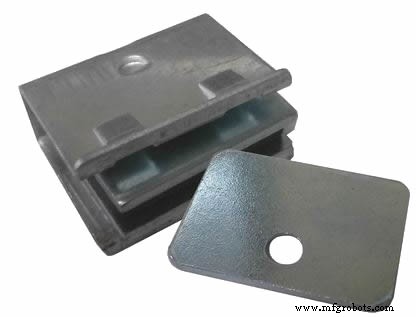
Magnetic catches are an essential latching solution found in everything from cabinet doors to vehicle panels and electronic enclosures. Even if the term is new to you, you’ve likely used one in daily life. Below, we break down what magnetic catches are, why they’re preferred, and how to select the best option for your project.
What Exactly Is a Magnetic Catch?
A magnetic catch employs a magnetic force to hold two surfaces together. The core components are a magnet—usually a permanent neodymium or ferrite magnet—and an armature plate. The magnet is affixed to one surface, while the armature plate is mounted on the opposing surface. When the two parts are brought close, the magnetic attraction pulls them together, creating a secure latch. Releasing the latch simply requires pulling the surfaces apart, which interrupts the magnetic bond.
Key Benefits of Magnetic Catches
- Ease of Installation: Most models come with pre‑drilled holes, allowing you to secure the magnet and plate with standard screws in minutes.
- Longevity: According to the U.S. Army Research Laboratory (2022), properly sealed magnetic catches can retain over 90% of their strength for 20+ years, far surpassing many mechanical latches.
- Low Maintenance: With no moving parts or wear points, magnetic catches require virtually no upkeep.
- Versatility: They’re suitable for metal, wood, and even some composite materials when paired with an appropriate armature.
Choosing the Right Magnetic Catch
When selecting a magnetic catch, consider the following factors:
Material
- Plastic: Cost‑effective, durable, and resistant to corrosion. Ideal for low‑stress applications.
- Aluminum: Lightweight, rust‑resistant, and excellent for outdoor or marine environments.
- Steel (Galvanized or Stainless): Offers maximum strength for heavy‑duty use but may add weight.
Shape and Configuration
- Rectangular: The most common shape, suitable for standard door and cabinet latches.
- Cylindrical (Barrel): Designed to accommodate multiple magnets in a single assembly, providing a larger holding surface.
- Custom Profiles: Available for niche applications requiring specific geometries.
Size and Force Rating
Measure the dimensions—height, width, and depth—of the surfaces where the catch will be installed. Cross‑check these measurements against the catch’s specifications to ensure a snug fit. Also, review the holding force rating (measured in newtons or pounds) to match the weight and safety requirements of your application.
Installation Tips
- Mark the mounting points accurately on both surfaces.
- Drill pilot holes if necessary, then secure the magnet and armature with the supplied screws.
- Test the latch by pulling the surfaces apart; adjust the distance if the attraction feels too weak or too strong.
- Seal exposed edges with silicone or gaskets for moisture‑prone installations.
By following these guidelines, you’ll ensure a reliable, low‑maintenance magnetic catch that serves your needs for years to come.
Industrial equipment
- What Are Bi‑Fold Hinges? Features, Benefits, and Applications
- Deck Screws Explained: Types, Benefits, and How They Compare to Wood Screws
- What Are Split Washers? A Deep Dive Into Vibrational Locking Fasteners
- Set Screws Explained: Design, Differences, and Applications
- Spring‑Energized Seals: Design, Function, and Industrial Benefits
- Vulcanized Seals: Definition, Production, and Industrial Advantages
- Pull Handles Explained: Types, Features, and Applications
- Weld‑On Hinges: Installation, Benefits, and Material Choices
- Magnetic Labels: Versatile, Durable Inventory Solutions
- Understanding Magnetic Clutches: Function, Design, and Applications