Industrial manufacturing

Textile dyeing has evolved from simple vegetable stains to sophisticated petroleum‑derived formulations. While early dyes were sourced from natural materials, contemporary dyes are engineered from petroleum intermediates and coal tar derivatives, offering consistent performance and reduced environm

What Are Pigments? Pigments are solid powders—typically organic or inorganic—that provide color without chemically reacting with the material they’re added to. They are usually insoluble and can be blended with liquids to create stable colorants for a range of industrial uses, from inks and coatin
Pigments are the foundation of color in our world—from the vivid reds of roses to the deep blues of denim and the cheerful yellows that brighten a room. By definition, pigments are substances that impart color to a material. While often mistaken for dyes, pigments differ fundamentally: pigments req
From the first natural pigments discovered in prehistoric times to todays laboratory‑produced dyes, colorants have transformed everyday objects into vibrant, functional products. Today they are integral to plastics, inks, paints, textiles, soaps, and more. Pigments in Paint Paints have always combi
Dyes are essential to the textile industry, turning plain fabrics into vibrant, personalized works of art. While dyeing has ancient roots, modern dyes are predominantly synthesized in laboratories and factories, moving away from natural sources. Dyes differ in their resistance to sunlight, washing,
Color transforms our world—from apparel and décor to confectionery and its packaging. In every industry, dyes and pigments are essential for visual appeal and brand identity. Industry Challenges The pigment sector faces tightening regulations, economic fluctuations in printing and automotive sector
Textile dyes are the unseen force that transforms raw fabrics into the vibrant, high‑quality garments that define today’s fashion. Why Reactive Dyes Dominate the Market Reactive dyes are the industry standard for colouring natural fibres such as cotton, linen, hemp, rayon, bamboo, jute, and silk. B
In the food and beverage sector, pigments and dyes are essential for creating vibrant, appealing products. Although they share a common chemical foundation, they differ fundamentally: dyes are soluble in the medium they are applied to, whereas pigments remain insoluble and require a binder to adher
Pigments—whether organic or inorganic—are the coloring agents that give life to everything from everyday textiles to high‑performance automotive coatings. They come in a variety of forms and serve multiple roles beyond mere color. What are pigments? Pigments are insoluble coloring materials that re

The textile dye market is expanding in lockstep with the textile industry, driven by a consumer shift toward high‑quality, long‑lasting, and environmentally responsible fabrics. Traditional dyeing methods—using vat and reactive dyes—consume large volumes of water and produce substantial effluent, p
Leather accessories remain pivotal in contemporary fashion, shaping trends and demanding rigorous quality standards. Leather dyes are essential in delivering deep, glossy finishes to jackets, the sleek black of shoes, and the vibrant hues of handbags. Leather Dyes & Their Types Leather dyes are
Colours are more than visual delight—they carry cultural narratives and chemical identities. In this article we examine two common pigments, Blue and Green, from both symbolic and scientific perspectives. Symbolic Meaning of Colour Blue and Colour Green In India, colour symbolism is deeply rooted i
Herbal extracts have long been valued in both alternative medicine and culinary applications, offering a concentrated source of plant bioactives. By converting raw herbs into liquid extracts, their therapeutic properties are amplified and made more bioavailable. The typical production cycle begins
Dyes and pigments are essential colorants that permeate every facet of modern industry. While dyes are soluble and bond strongly to substrates, pigments are insoluble particles that reflect light to create vivid hues. Together, they empower sectors ranging from leather and textiles to security pr
Paints have been used since antiquity, but it was only in the 19th century that they entered mainstream commerce. Today, paint serves not only to beautify but also to protect—whether on residential walls, automotive bodies, underground storage tanks, road markings, or maritime vessels. The heart of

Wool‑fabric garments, carpets, and rugs are celebrated especially during colder months and as fashion statements. They appear in a spectrum of quality and hue, all vividly coloured and patterned. But when does wool actually acquire its colour?Natural wool is naturally neutral and must be dyed to ach
Ever wonder why certain fabrics, ceiling decals, or toy stickers glow in the dark? The answer lies in a simple, well‑understood scientific principle: phosphorescence. By incorporating special pigment powders—known as phosphors—into a material, manufacturers can create objects that absorb light, sto
In the world of beauty, pigments are the invisible artists that bring color to makeup. These finely ground powders are indispensable ingredients in a wide range of cosmetic products, from subtle blushes to bold eyeliners. By selecting the right pigment, formulators can achieve the desired hue, fini
The plastic industry has entered a new era of color, offering an expansive palette from classic pigment blue and pigment orange to vibrant pigment yellow and beyond. These powders bring depth, consistency, and visual appeal that were once unattainable. Tracing back to the earliest cave paintings, p
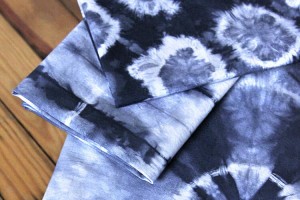
Over the past decades, the textile sector has grown into a cornerstone of many emerging economies. While dyes account for a modest share of overall output, they remain a pivotal element of textile manufacturing. India, for instance, is the world’s leading producer of reactive dyes, underscoring the
Dye