


Industrial manufacturing

In the textile world, color elevates fabric appeal and drives sales. Two primary methods add color: dyeing, which uniformly saturates the entire weave, and printing, which applies pigment to specific areas. The core of dyeing is the dye itself, which comes in two broad categories—natural and synthe
Since antiquity, dyes have been indispensable colorants in textiles, paper, and industrial processes. Synthetic dyes, including the subclass known as basic dyes, are renowned for their vivid hues and strong affinity for acrylic fibers, making them a staple in printing and textile manufacturing. Bas
Automotive coatings and high‑performance organic pigments are intrinsically linked. These specialty paints protect vehicle exteriors while enhancing visual appeal, and organic pigments—particularly Pigment Red 170—are key to their efficacy. Key advantages of modern automotive coatings include incre
Dyes in the Paper Industry The paper and pulp sector relies on a range of dyes—chiefly cationic direct dyes, sulphur dyes, and the well‑known direct black 22—to impart color to specialty papers such as copier stock, facial tissue, envelopes, cover stock, corrugated cases, and specialty grades. Basi
Textile production relies on five primary fibers—cotton, rayon, polyester, nylon, and acrylic—each requiring a spectrum of colorants to achieve the vibrant apparel we see worldwide. Beyond textiles, colorants find critical roles in plastics, paints, inks, paper, and automotive finishes, with roughl
Color has always captivated humanity—both for aesthetic pleasure and practical applications. From ancient dyes to modern pigments, colorants have shaped commerce and industry for millennia. Today, a vast array of synthetic dyes—such as basic, solvent, reactive, disperse, and acid dyes—complements a
Textiles are the canvas of our daily life, and the brilliant hues that adorn them owe their existence to textile dyes. These dyes chemically bond with fibers, ensuring that color endures through countless washes and wears. Origins of Textile Dyes Today, the textile industry utilizes thousands of di
Cotton remains the world’s preferred natural fiber, prized for its softness and breathability. It is used in its native state or transformed into derivatives such as modal, viscose, or blended with synthetics. While reactive and vat dyes dominate cotton coloration, a critical niche is occupied by n
Color is a universal language that shapes our surroundings—from the paint on a wall to the hue of a garment. In textiles, color is more than decoration; it’s an integral part of our daily experience and a powerful expression of identity. What Is Dyeing? Dyeing is the controlled application of color
Vipul Organics Ltd, founded in 1974, is a trusted partner for industries seeking premium pigments and solvent dyes across India. With a portfolio that spans textiles, plastics, inks, paints and coatings, we deliver solutions engineered for performance, durability and environmental compliance. Our in
Solvent dyes—also known as petroleum dyes—are exceptionally soluble in non‑polar solvents, making them indispensable across inks, plastics, automotive coatings, and industrial cutting processes. At VIPUL ORGANICS, our expertise ensures you receive dyes of unparalleled purity, strength, and solubili
Pigment Red 170, a rare bluish‑reddish pigment, stands out in the paint and plastics industry for its exceptional transparency and superior light fastness. Widely used in polyolefins and fibers, it is available in two halogen‑free grades: F3RK and F5RK. Grades & Key Properties F3RK – Offers a brigh
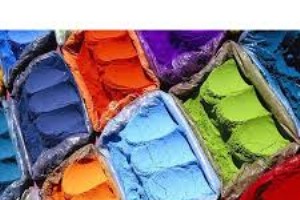
What Are Acid Dyes? Acid dyes are anionic pigments that dissolve readily in water, thanks to their sulfonic acid groups typically present as sodium sulfonate salts. This structural feature imparts a strong negative charge, enhancing both solubility and adhesion to fibers. Compared with simple basic
What Are Vat Dyes? Vat dyes are a class of pigments traditionally derived from plant sources—most notably indigo, the earliest and still most demanded dye in the textile sector. Today they are produced synthetically, yet their name remains rooted in the historic “vat” process: the dye is dissolved
Today’s world is sounding a clarion call for planetary stewardship. The industries that generate the bulk of pollution must pause, reassess, and embed sustainability into every decision. By anchoring business models on eco‑friendly practices, we can inspire a ripple effect that reaches consumers, c
When it comes to achieving vivid, long‑lasting hues on cotton and other cellulosic fabrics, the combination of naphthol dyes and insoluble azo dyes remains the industry’s go‑to method. Widely adopted in African wax prints and high‑quality cotton garments, this process delivers deep saturation and e
Basic dyes—positively charged pigments that bind readily to negatively charged surfaces—play a pivotal role across numerous sectors. Their ability to produce vivid, long‑lasting colors makes them indispensable for industries that demand both aesthetic appeal and durability. The dyeing process typic
Acid dyes represent the most widely employed pigments in modern textile manufacturing, especially when it comes to protein‑based fibers. Their unique chemistry allows manufacturers to achieve vibrant colors while maintaining excellent durability and fastness. Acid Dyes and Their Applications in Fab
In ink manufacturing, pigment selection is the linchpin that determines color, durability, and performance. Understanding the spectrum of pigments—water‑based, solvent‑based, inorganic, and organic—helps manufacturers and consumers alike choose inks that meet specific functional and aesthetic requi
In the world of color, a dye is more than just pigment—it is a carefully formulated compound that imparts hue to a wide range of absorbent surfaces. By dissolving the dye in a suitable solvent, the colorant penetrates fibers, paper, leather, and even plastics, delivering vivid, long‑lasting tones.
Dye

Warehouse Operations Best Practices: 55 Proven Tips to Optimize Management, Organization & Efficiency

Three Key Network Problems That Diminish Cloud App Performance

Creating a Breathing LED Effect Using a Sine Wave from Block RAM
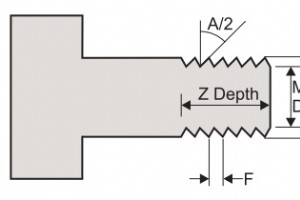
Haas G76 Threading Cycle: Multi-Pass Cutting for External & Internal Threads

