Industrial manufacturing

I. Selecting the Right Color MasterbatchChoosing the correct color masterbatch is a critical step that often goes overlooked until project launch. By addressing color considerations early in material selection, manufacturers can avoid costly redesigns and ensure product consistency. The decision hin
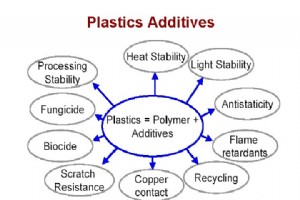
IntroductionIn today’s plastics sector, additives transform raw polymers into functional, high‑performance materials. By tailoring properties such as flexibility, durability, and safety, manufacturers can meet stringent consumer demands and regulatory standards.What Are Plastic Additives?Plastic add

Plastic bags—often referred to as plastic packaging—have become ubiquitous in modern life, offering lightweight, cost‑effective solutions for storing food, consumer goods, and industrial products worldwide. While their convenience is undeniable, the environmental implications of their widespread use

Black carbon (BC) is now recognized as the second‑largest anthropogenic driver of climate change, only behind CO₂. Its fine particles absorb sunlight, giving soot its characteristic black hue. BC forms when fossil fuels, biofuels, or biomass combust incompletely—common sources include diesel engines
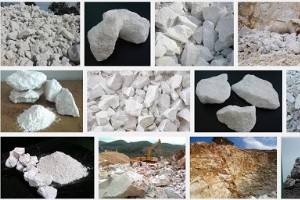
1. What is a Calcium Carbonate Masterbatch? A calcium carbonate masterbatch is a blend of fine CaCO₃ powder, a base polymer resin, and selected additives. The CaCO₃ core—typically derived from natural sources such as calcite, limestone, chalk, marble, or aragonite—provides a versatile filler that en
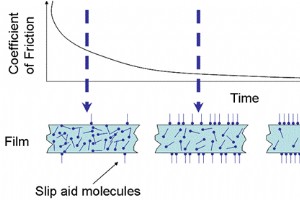
Why Use a Slip Additive? In the world of film manufacturing and filament production, lubricants play a pivotal role. When polymer chains are processed, friction arises in two primary ways: Internal friction between polymer molecules. External friction between the polymer and equipment surfaces—scr

Pigments are the heart and soul of textiles, yet their applications stretch across coatings, construction, and many other sectors. Remarkably, about 70% of all pigments produced worldwide are consumed by the textile industry alone. According to research by Global Industry Analysts Inc., the global

Without color, the world would be a monochrome landscape. Dyes—whether derived from natural sources or synthesized—have shaped industries from fashion to food. Their role spans textiles, paper, inks, cosmetics, and paints, each demanding specific chemical properties and application techniques. Belo
\nColor is a universal element that permeates every facet of modern life. From the dyes that color textiles and paints to the edible pigments that make food appealing, the creation of vibrant shades relies on high‑grade chemicals blended in precise ratios.\nTextiles typically begin as colorless or w
Color is the silent ambassador of quality. In the leather industry, the right shade not only enhances visual appeal but also signals craftsmanship, durability, and safety. A meticulously chosen dye can turn a simple leather item into a coveted product that stays in demand. Leather’s unique structur
Pigments have been integral to human culture for centuries, coloring everything from clothing and food to paint and digital displays. Whether natural, synthetic, organic, or inorganic, pigments enhance our daily environments with color and vibrancy. Broad Classification of Pigments In paint formula
For millennia, pigments have colored the world around us, from the ochre of ancient caves to the vibrant dyes of modern textiles. Today, both natural sources—mineral powders, plant extracts, fruit peels—and laboratory‑crafted synthetic pigments are essential to industries ranging from food and cosm
Color is integral to our everyday experience, from the vibrant hues of clothing to the subtle shades that enhance food and environment. The modern dye industry meets this demand with a diverse array of pigments and dyes crafted for textiles, leather, cosmetics, and more. Herbal extracts – liquid pr
In the world of cosmetics, color is not just a visual element—it’s a carefully engineered component that transforms a simple base into a stunning finished product. Makeup chemists, much like pharmaceutical chemists, meticulously blend pigments and dyes to achieve the hues that captivate our senses.
\nThe paper industry, one of the world’s oldest manufacturing sectors, has traditionally relied on a wide range of dyes to produce everything from high‑quality printing stock to household tissues. Over the decades, scientific advances have enabled large‑scale production of these pigments, making vib
Food is more than nourishment; it engages all senses. A well‑colored dish captivates the eye, heightens anticipation, and can even influence flavor perception. Why Color Matters When a plate arrives, the first cue our brain receives is visual. A vibrant, well‑balanced color palette signals freshness
Achieving a flawless paint finish—ideal viscosity, spreadability, stability, and precise color—requires a well‑engineered process. Any compromise in a single step can compromise the final product. Among the critical ingredients, a high‑quality dispersant in the correct proportion is indispensable f
While agriculture celebrates nature’s palette, modern farming increasingly relies on specialized dyes. These colorants do more than make products visually appealing—they play a critical role in seed health, pesticide safety, and fertilizer accuracy. Seed Treatment: A Protective Layer Seeds are the

Pigment printing is a cornerstone of modern textile production, enabling durable, high‑contrast designs on a wide range of fabrics. The process involves applying pigment‑based inks—such as resistant pigments, solvent‑based dyes, and artist pigments—to textile fibers, where they form a stable, long‑

Pigments are critical in the rubber sector, imparting strength, durability, and vibrant colors that underpin brand reputation and product longevity. Below is an overview of the pigments most sought after in rubber manufacturing. Carbon Black – Derived from petroleum refinery processes, carbon black
Dye