



Shifting Industry Standards: From Inorganic to Eco‑Friendly Organic Pigments
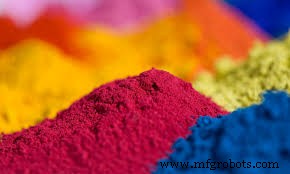
Pigments have been integral to human culture for centuries, coloring everything from clothing and food to paint and digital displays. Whether natural, synthetic, organic, or inorganic, pigments enhance our daily environments with color and vibrancy.
Broad Classification of Pigments
In paint formulations, pigments typically appear as fine powders, aqueous suspensions, or gels. Two primary categories are most relevant:
- Primary Pigment: The core colorant that defines a paint’s hue. High‑grade primary pigments, though pricier, deliver consistent shade, optimal granularity for superior dispersion, and usually require only two coats for full coverage.
- Extender Pigment: Added to improve properties such as opacity, durability, lifespan, and resistance to cleaning agents.
Organic vs. Inorganic Pigments
Both organic and inorganic variants exist for primary and extender pigments. Here’s a comparative snapshot based on performance, environmental impact, and economics:
- Color Brightness & Strength – Organic pigments typically exhibit richer hues and higher tinting strength, giving them an edge in vibrant applications.
- Environmental Safety – Organic pigments are generally more biodegradable and pose fewer ecological risks than many inorganic counterparts, aligning with sustainability goals.
- Lightfastness – Inorganic pigments excel in resistance to ultraviolet degradation, making them preferable for outdoor coatings. Researchers are actively improving organic lightfastness through molecular engineering.
- Production Cost – Inorganic pigments are cheaper to manufacture, whereas organic pigments involve more complex synthesis, leading to higher market prices. However, economies of scale and process optimization are narrowing this gap.
Advancements in chemistry and manufacturing have enabled large‑scale production of high‑performance organic pigments, reducing costs and improving durability. The industrial sector is gradually shifting toward organic pigments, driven by environmental regulations and consumer demand for greener products.
As research continues, we can anticipate a decisive move toward eco‑friendly organic pigments that combine vivid color, light resistance, and sustainable manufacturing.
Dye
- From Prediction to Propulsion: RTI’s Journey in Industrial IoT
- Premium Colouring Solutions from Trusted Manufacturers
- Industrial Dyes & Pigments: A Comprehensive Guide to Applications & Types
- Organic vs. Inorganic Pigments: Definitions, Differences, and Key Applications
- Organic Pigments: Safer, Sustainable Colorants for Food & Packaging
- Driving Organizational Change from the Middle Upward
- Clariant Expands Compostable Pigment Portfolio with Nine New OK Compost Industrial‑Certified Colors
- Industrial Pigments Explained: Types, Applications, and the Most Popular Choices Today
- AspenTech’s Bill Scudder: AI, Automation, & Workforce Trends for 2022
- How Industrial B2B Buyers Are Evolving – 4 Key Trends and Marketing Strategies