



Expert Guide to Leather Dyeing: Colors, Techniques, and Quality Control
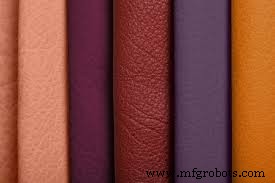
Color is the silent ambassador of quality. In the leather industry, the right shade not only enhances visual appeal but also signals craftsmanship, durability, and safety. A meticulously chosen dye can turn a simple leather item into a coveted product that stays in demand.
Leather’s unique structure—robust yet porous—allows it to absorb dyes while retaining strength. However, the absorption process varies with each dye type, demanding precise application techniques and thorough testing to achieve the desired hue without compromising texture.
Primary Dye Categories
Acid Dyes are the industry’s most common choice for leather, especially the famed “acid black.” They bond strongly to the protein fibers, delivering deep, uniform colors that resist fading.
Vat and Reactive Dyes offer vibrant options for colors like green, yellow, blue, red, and white. They react chemically with leather fibers, ensuring long‑lasting finishes. Each dye requires a tailored pre‑treatment to guarantee optimal absorption.
Herbal Extracts provide a natural alternative, derived from plants and fruits. These extracts yield safe, eco‑friendly colors suitable for leather, textiles, and even food applications. Their growing popularity reflects consumer demand for sustainable, non‑toxic finishes.
Pigment Pastes and Coatings
Pigment pastes—whether inorganic or organic—are mixed with water, lacquers, glues, or enamels to create a wide spectrum of shades. They simplify the paint process, allowing manufacturers to adjust viscosity for different product requirements. Water‑based pastes are favored for quicker drying, while solvent‑based options offer superior gloss and durability.
Quality Assurance and Consistency
Consistency is paramount. Even a minor shift in shade can be perceived as a quality downgrade by discerning customers. Therefore, rigorous quality control—from dye batch testing to final shade verification—is essential to maintain brand reputation and customer trust.
Dye
- Hafnium Oxide (HfO₂): Structure, Properties, and Key Applications
- The Key Role of Zinc in Modern Alloys: Corrosion Resistance, Low Melting Point, and Galvanization
- Voltage Sensors: How They Work & Key Applications in Modern Power Systems
- Understanding IMU Sensors: Functionality and Applications in Modern Tech
- Optimizing Blast Furnace Design for Superior Performance and Longevity
- Exploring Polyurethane: Types, Uses, and Why It Dominates Modern Industries
- Deep Learning: Transforming Industries with Intelligent Automation
- Water Jet Cutting: Precision Machining & Fabrication Solutions
- Graphene: The Ultra‑Strong, Ultra‑Conductive Carbon Layer Changing Technology
- Defining a Robot’s Workspace: Understanding Its Operating Environment