


Industrial manufacturing
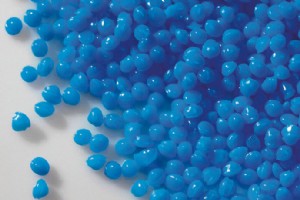
Essentially There Are Four Ways Color is Prepared for Molding When producing colored plastic parts, choosing the right coloring method is critical for quality, cost, and consistency. 1. Compounded Colors Compounded colors, also known as pre‑mixed pellets, are produced by resin suppliers that blend p

Growth Drivers in the Color Masterbatch MarketThe color masterbatch market is expanding steadily as key sectors—packaging, consumer goods, and building & construction—adopt more advanced plastics and demand higher color quality.I. Color Masterbatch in PackagingPackaging is essential for protecting a

Color masterbatch is a finely engineered blend of base resins, pigments, and solid plastic additives that delivers precise, stable color to polymer products while minimizing side effects. By incorporating masterbatch, manufacturers achieve consistent hue, improved dispersion, and enhanced processabi

Titanium dioxide (TiO₂) remains a cornerstone chemical in the plastics industry, most notably as the pigment in white masterbatch. Over the first quarter of 2021, its price has climbed steadily, posing significant challenges for manufacturers worldwide. Below is an up‑to‑date snapshot of the global

Since the COVID‑19 pandemic, plastic resin prices have experienced significant volatility, making it challenging for manufacturers to secure reliable suppliers that can sustain production efficiency. Below is a curated list of the world’s most prominent and trustworthy plastic resin producers, provi

The Evolution of Polymer Raw Materials: From Gutta‑Percha to Modern Plastic ResinsIn this series, we trace the milestones that have shaped the plastics industry, from early natural materials to today’s advanced polymer resins.One of the earliest milestones was the discovery of gutta‑percha in the 18
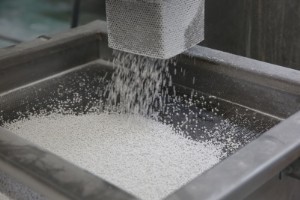
Introduction – What is a Plastic Filler Masterbatch?A plastic filler masterbatch is a concentrated blend of Calcium Carbonate (CaCO₃) or Talc within a polymer matrix. It delivers precise dispersion, eliminates dust contamination, and optimizes flow properties, enabling seamless processing in thermop

I. Selecting the Right Color MasterbatchChoosing the correct color masterbatch is a critical step that often goes overlooked until project launch. By addressing color considerations early in material selection, manufacturers can avoid costly redesigns and ensure product consistency. The decision hin
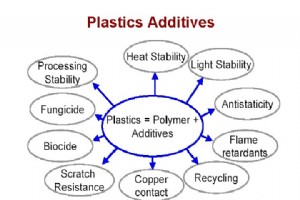
IntroductionIn today’s plastics sector, additives transform raw polymers into functional, high‑performance materials. By tailoring properties such as flexibility, durability, and safety, manufacturers can meet stringent consumer demands and regulatory standards.What Are Plastic Additives?Plastic add

Plastic bags—often referred to as plastic packaging—have become ubiquitous in modern life, offering lightweight, cost‑effective solutions for storing food, consumer goods, and industrial products worldwide. While their convenience is undeniable, the environmental implications of their widespread use

Black carbon (BC) is now recognized as the second‑largest anthropogenic driver of climate change, only behind CO₂. Its fine particles absorb sunlight, giving soot its characteristic black hue. BC forms when fossil fuels, biofuels, or biomass combust incompletely—common sources include diesel engines
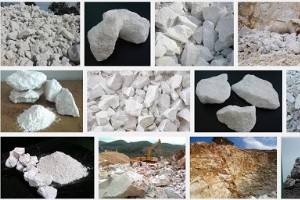
1. What is a Calcium Carbonate Masterbatch? A calcium carbonate masterbatch is a blend of fine CaCO₃ powder, a base polymer resin, and selected additives. The CaCO₃ core—typically derived from natural sources such as calcite, limestone, chalk, marble, or aragonite—provides a versatile filler that en
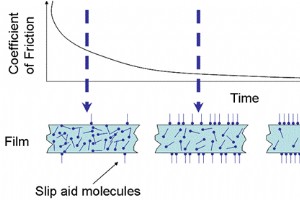
Why Use a Slip Additive? In the world of film manufacturing and filament production, lubricants play a pivotal role. When polymer chains are processed, friction arises in two primary ways: Internal friction between polymer molecules. External friction between the polymer and equipment surfaces—scr

Pigments are the heart and soul of textiles, yet their applications stretch across coatings, construction, and many other sectors. Remarkably, about 70% of all pigments produced worldwide are consumed by the textile industry alone. According to research by Global Industry Analysts Inc., the global

Without color, the world would be a monochrome landscape. Dyes—whether derived from natural sources or synthesized—have shaped industries from fashion to food. Their role spans textiles, paper, inks, cosmetics, and paints, each demanding specific chemical properties and application techniques. Belo
\nColor is a universal element that permeates every facet of modern life. From the dyes that color textiles and paints to the edible pigments that make food appealing, the creation of vibrant shades relies on high‑grade chemicals blended in precise ratios.\nTextiles typically begin as colorless or w
Color is the silent ambassador of quality. In the leather industry, the right shade not only enhances visual appeal but also signals craftsmanship, durability, and safety. A meticulously chosen dye can turn a simple leather item into a coveted product that stays in demand. Leather’s unique structur
Pigments have been integral to human culture for centuries, coloring everything from clothing and food to paint and digital displays. Whether natural, synthetic, organic, or inorganic, pigments enhance our daily environments with color and vibrancy. Broad Classification of Pigments In paint formula
For millennia, pigments have colored the world around us, from the ochre of ancient caves to the vibrant dyes of modern textiles. Today, both natural sources—mineral powders, plant extracts, fruit peels—and laboratory‑crafted synthetic pigments are essential to industries ranging from food and cosm
Color is integral to our everyday experience, from the vibrant hues of clothing to the subtle shades that enhance food and environment. The modern dye industry meets this demand with a diverse array of pigments and dyes crafted for textiles, leather, cosmetics, and more. Herbal extracts – liquid pr
Dye

Choosing the Right 3D Printing Bed: Glass, Aluminum, or Magnetic – A Complete Guide
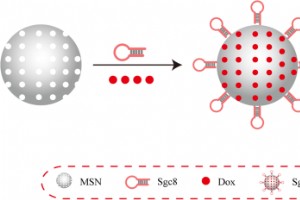
Targeted Chemotherapy: Aptamer-Functionalized Mesoporous Silica Nanoparticles Deliver Doxorubicin Directly to Leukemia Cells

Build an Arduino Real‑Time Clock for Islamic Prayer Times
Revolutionizing Customer Engagement: A New Approach for Compounders

