



Four Reliable Ways to Color Plastic Moulds – Masterbatch, Compounding, Solvent, and Dry Pigment
Essentially There Are Four Ways Color is Prepared for Molding
When producing colored plastic parts, choosing the right coloring method is critical for quality, cost, and consistency.
1. Compounded Colors
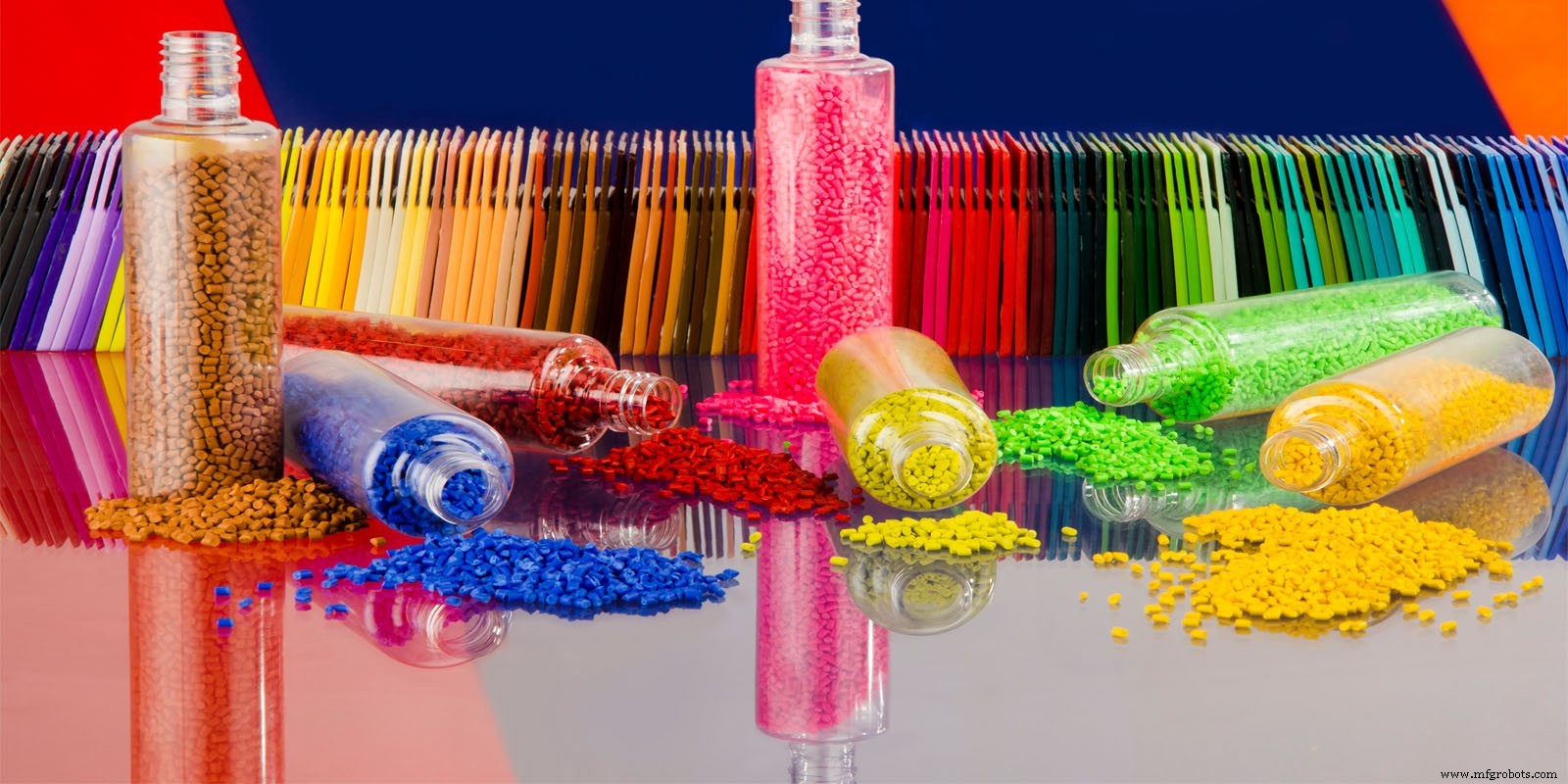
Compounded colors, also known as pre‑mixed pellets, are produced by resin suppliers that blend pigments with the base plastic resin during manufacturing. The result is colored pellets ready to be melted and injected directly into a mold. This approach is especially economical for standard Pantone® or RAL shades and is often stocked by suppliers for quick turnaround. Custom colors can also be compounded on demand.
2. Masterbatching – Color Masterbatch
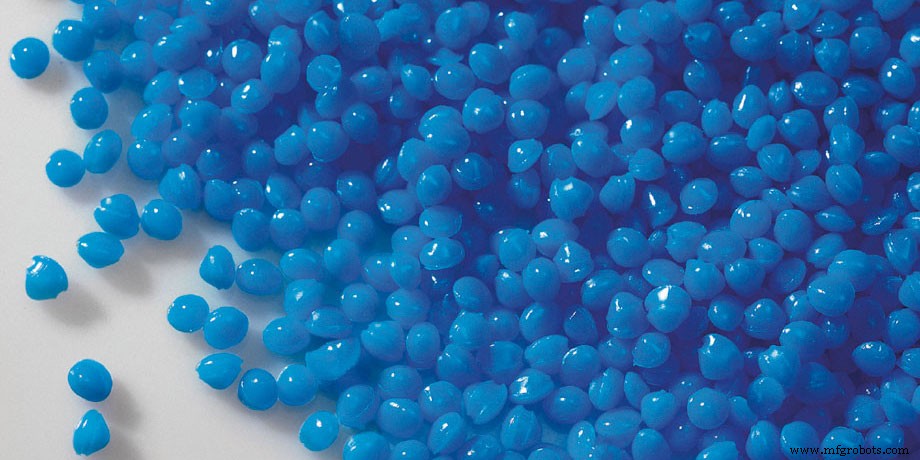
Masterbatch pellets are highly pigmented (20‑50 % colour) mixed with a base resin (≈50 %) and sold in bulk. They are not ready for injection as‑is; a typical mix ratio is 2 % masterbatch by volume with uncoloured resin. With a minimum order of one tonne, a single batch can supply 20 t of mouldable plastic, making masterbatch ideal for high‑volume production. Manufacturers often add stabilisers, flow agents, and other additives to optimise processing.
Masterbatch suppliers can also create custom shades that match Pantone or client specifications.
Small‑batch custom colour production
If you only need a few thousand parts, the colour must first be matched to a sample. A small batch can then be pre‑mixed by the moulding partner using either solvent or dry pigment methods.
3. Solvent Colouring
In this method, a pigmented oil is dissolved in a solvent and sprayed onto uncoloured pellets just before injection. The coating dries rapidly, but controlling the exact pigment‑to‑plastic ratio can be challenging, which may affect colour uniformity.
4. Dry Pigment Mixing
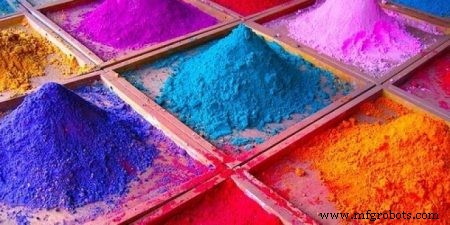
Dry pigment powder is blended directly with pellets in a drum or hopper. The target ratio is again about 2 % pigment by volume. Engineers often dry the base plastic beforehand to minimise moisture, but the mixing process can still result in uneven pigment distribution if the powder adheres to hopper walls or picks up ambient moisture.
Dry pigment mixing is suitable for low‑volume custom colours but carries higher variability in the final hue.
When working with prototypes or limited runs, reputable manufacturers will strive for the closest possible match while minimising material waste. Understanding these limitations helps you choose the right method for your project scope.
Source: Star Rapid
SEE MORE
Dye
- Avient Launches Natural‑Looking TPE Wine Corks with New Special‑Effect Masterbatch
- Color Masterbatch Mixing in Plastic Manufacturing: Expert Guide to Resin Selection and Process Optimization
- Global Leaders in Color Masterbatch Production: Quality, Expertise, and Trust
- Color Masterbatch Market: Growth Drivers and Industry Applications
- Choosing the Right Color Masterbatch for Plastic Production
- Color Masterbatch: The Preferred Choice Over Pigments in Modern Plastic Production
- High‑Performance PP Filler Masterbatch for Industrial Plastic Production
- Color Masterbatch: The Premier Solution for Industrial Plastic Coloration
- Masterbatch Solutions for the Packaging Industry – Enhancing Quality and Cost‑Efficiency
- 5 Cutting‑Edge 3D Printing Innovations Driving Sustainability