



Masterbatch Solutions for the Packaging Industry – Enhancing Quality and Cost‑Efficiency
I. Packaging Industry – Masterbatch for Packaging
Plastic remains the cornerstone of modern packaging due to its versatility, durability, and cost‑effective nature. To meet the evolving demands of safety, environmental compliance, and performance, manufacturers must select specific plastic grades tailored to each application—from woven and non‑woven bags to industrial bottles and food‑grade containers.
II. Packaging Classification – Masterbatch for Packaging
Masterbatch plays a pivotal role across all packaging streams by delivering consistent color, enhanced properties, and cost savings. Below are the most widely used resin families in the sector:
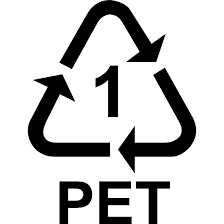
1. PET Packaging
Polyethylene terephthalate (PET) is a semi‑crystalline, colorless resin known for excellent dimensional stability, impact resistance, and chemical durability. Its low environmental footprint makes it ideal for beverage bottles, water containers, and food trays.
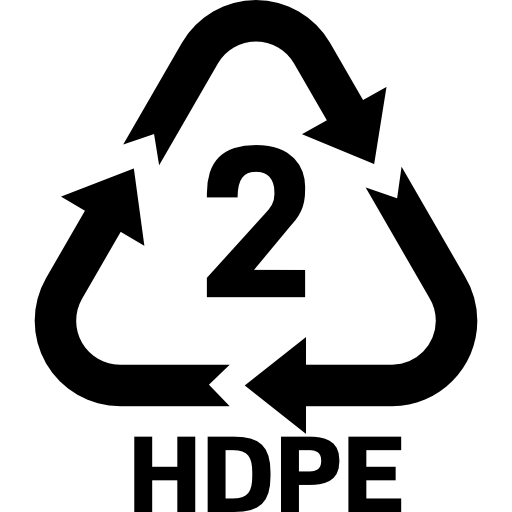
2. HDPE Packaging
High‑density polyethylene (HDPE) offers flexibility, translucence, and superior weather resistance. With toughness down to –60 °C and robust chemical resistance, HDPE is common in milk bottles, cleaning products, and shampoo containers.
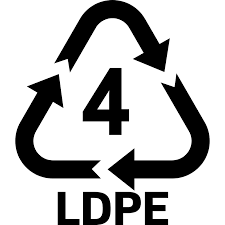
3. LDPE Packaging
Low‑density polyethylene (LDPE) is semi‑rigid, highly tough, and low‑water absorption, making it the preferred choice for grocery bags, bin liners, and flexible packaging films.
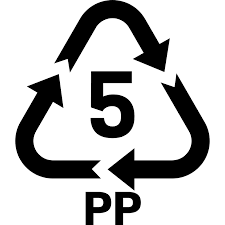
4. PP Packaging
Polypropylene (PP) delivers high flexural strength and a moisture‑resistant surface. Its durability and resistance to deformation make it suitable for tubs, food trays, and rigid containers.
5. PC Packaging
Polycarbonate (PC) boasts high transparency, heat resistance, and impact durability, ideal for food jars, laboratory containers, and reusable packaging.

III. Masterbatch for Packaging
Masterbatch—whether filler or color—drives both cost reduction and production efficiency. Filler masterbatch substitutes part of the base resin, incorporating additives that enhance mechanical properties or reduce material costs. Color masterbatch delivers precise hues, ensuring brand consistency while simplifying the dyeing process.
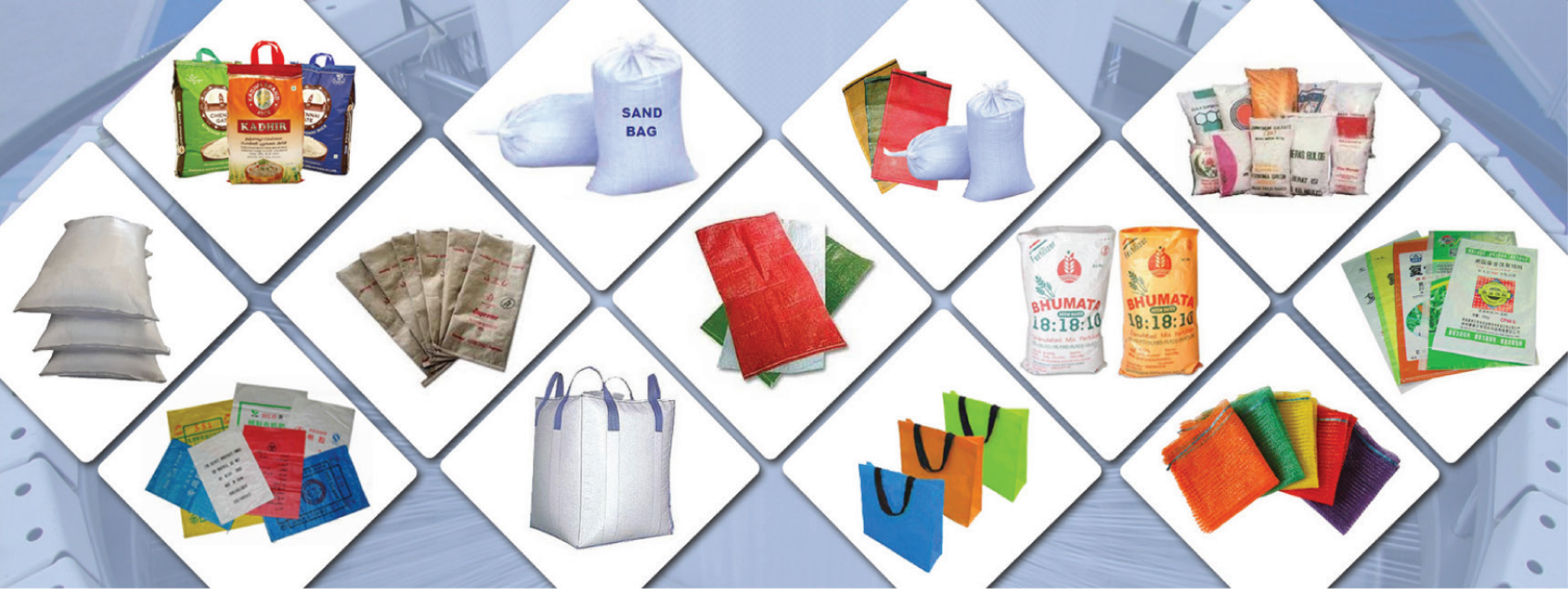
Sunrise Colors Vietnam stands out as a trusted partner for premium filler masterbatch. With decades of experience, a highly skilled engineering team, and state‑of‑the‑art production lines, we supply masterbatch that meets rigorous physical and chemical specifications across all major plastic technologies.
Learn how our solutions can elevate your packaging performance and profitability.
Dye
- How to Prepare for Industry 4.0 in a Post‑COVID‑19 World
- How Color Shapes Every Industry: From Textiles to Food
- How IIoT Transforms Packaging Machine OEMs: Boost Efficiency, Reduce Downtime, Unlock New Revenue
- PLASTICS Releases Comprehensive Guidance on Recycled Plastic Food Packaging Compliance
- Unlocking Competitive Edge: How Industry 4.0 Boosts Manufacturing Efficiency
- Top 4 Packaging Industry Trends Shaping the Philippines
- Precision Mold Fabrication for Pharmaceutical Packaging Solutions
- Industrial PLCs Power Variable Speed Drives
- Mastering Industry 4.0: Proven Steps to Future-Proof Your Business
- The Packaging Industry: Definition, Scope, and Economic Impact