



Four Proven Techniques for Bonding Plastic Components
When joining plastic parts, selecting the right method is crucial for durability, cost-efficiency, and production speed. Below, we dissect four industry‑standard bonding techniques—mechanical fastening, solvent bonding, UV curing, and ultrasonic welding—highlighting their equipment needs, labor considerations, and best‑practice guidelines.
1. Mechanical Fastening
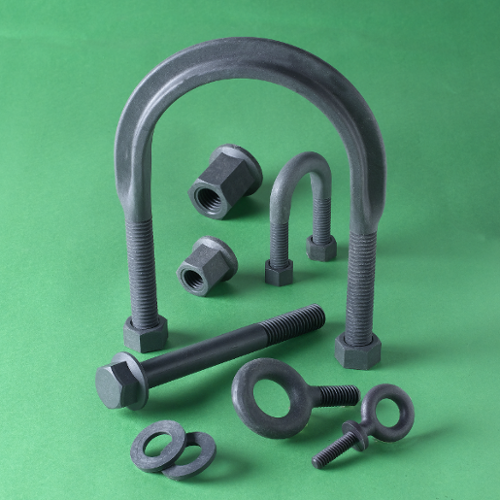
Mechanical fasteners—rivets, screws, nuts, and pins—remain the most common means of joining plastics. They can be molded directly into a part, glued in place, or inserted using heated probes or ultrasonic energy. For reliable performance, ensure both the plastic and fastener materials can withstand the installation pressure. In high‑volume lines, automated fastener placement reduces labor and improves repeatability.
2. Solvent Bonding
Solvent bonding softens thermoplastic surfaces with a compatible solvent, allowing the two parts to fuse as the solvent evaporates. Proper pressure application is critical: excessive force can warp components, while insufficient pressure can lead to weak bonds. Typical cure times range from 24–48 hours at room temperature or a few hours under heat. This method is ideal for large‑area joints where mechanical fasteners are impractical.
3. UV Curing
UV curing uses high‑intensity ultraviolet light to instantly polymerize adhesives, inks, or coatings. Even when the plastic itself blocks UV light, a specially formulated UV‑resistant adhesive can be bonded in seconds. UV bonding delivers low rejection rates, rapid cycle times, and superior resistance to solvents and abrasion, making it suitable for complex assemblies and multimaterial joints (e.g., plastic to glass or metal).
4. Ultrasonic Welding
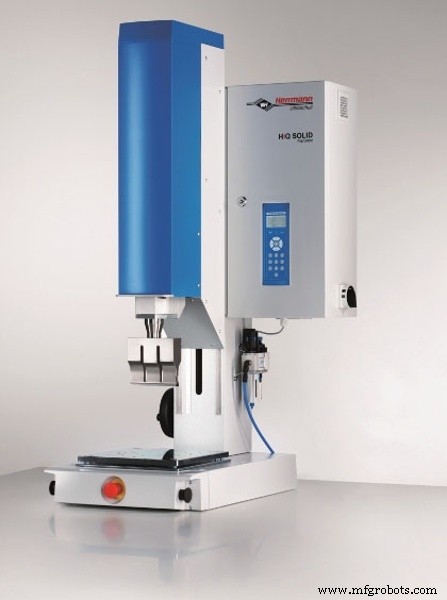
Ultrasonic welding employs a high‑frequency horn that vibrates the parts together, generating frictional heat that melts the polymers in the joint zone. No glue or solvent is required, and parts can be fused at rates exceeding 25 units per minute. Successful welds require compatible melting temperatures (within 30 °C) and compatible chemistries. Key design considerations include joint shape, material selection, and horn face size.
Ultrasonic welding excels in applications such as IV components, diagnostic equipment, filter housings, and hearing aids—anywhere quick, solvent‑free bonding is advantageous.
These four methods represent the most efficient and widely adopted techniques for plastic joining. Each offers distinct advantages that can be leveraged for both simple and complex manufacturing processes.
What bonding methods have you found most effective in your workflow? Share your experiences in the comments below.
Looking for more detailed guidance on adhesives? Download our free Guide to Gluing Plastics.

Resin
- Top 3 High‑Strength Materials for Plastic Fasteners
- UL’s Comprehensive Testing for Flame‑Resistant Plastic Components
- Top 5 Drive Styles for Plastic Screws – Expert Insights for Your Projects
- FR‑4: The Ultra‑Strong, Flame‑Retardant Composite of Choice for Modern Engineering
- Urban Bees Adopt Plastic: A New Insight into Sustainable Nesting
- How Plastic Components Drive Automotive Fuel Efficiency
- Mastering Aluminum Casting: 5 Proven Techniques for Superior Results
- Top Welding Materials for Strong, Reliable Joints
- Thermal Adhesive for Robust Electronic Component Bonding
- Invar 36 Components: Materials, Properties, and Trusted Purchasing