



How Plastics Power Modern Medicine
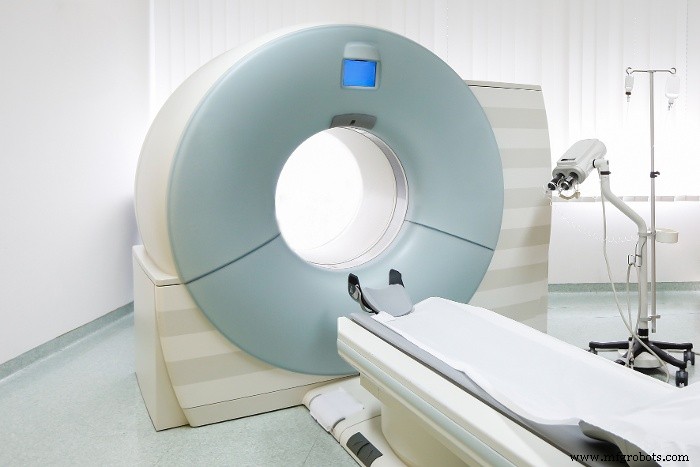
 Modern healthcare relies on plastics—from the outer housing of MRI scanners to the tiniest catheters—simplifying procedures and reducing patient discomfort. Disposable syringes, IV bags, heart valves, lightweight eyeglass frames, and advanced prosthetics all benefit from polymer technology. Plastics enable smoother artificial joints and offer superior packaging that protects sensitive medical products with minimal cost and weight. Cutting‑edge therapies today depend on these versatile materials.
While metals, glass, and ceramics once dominated medical devices, polymers now provide lighter, more biocompatible, and cost‑effective solutions. Common medical polymers include polyvinyl chloride (PVC), polypropylene (PP), polyethylene (PE), polystyrene (PS), nylon, polyethylene terephthalate (PET), polyimide (PA), polycarbonate (PC), acrylonitrile butadiene styrene (ABS), polyetheretherketone (PEEK), and polyurethane (PU). PVC remains the most prevalent in pre‑sterilized, single‑use applications, with PE, PP, PS, and PET also widely used. PVC has been a trusted material in healthcare for over five decades.
Medical uses for plastic materials include:
- Catheters—thin plastic tubes—are employed to clear blocked blood vessels. Often accompanied by a spiral‑shaped vascular stent, these devices are fabricated from a specially engineered polymer infused with therapeutic agents.
- Oral dosage forms use tartaric‑acid‑based polymers that degrade gradually, delivering medication over extended periods. This tailored release reduces pill frequency and improves patient adherence.
- When arterial disease precludes stenting, surgeons replace the damaged aortic segment with a flexible polymer graft, restoring vascular integrity.
 Advanced cochlear implants—crafted from biocompatible polymers—enable hearing restoration. The system incorporates a microphone, a body‑mounted microprocessor, a stimulator, and a 16‑electrode array spanning 16 frequency bands, converting sound into electrical signals that directly stimulate the auditory nerve.
- 3D printing is revolutionizing patient‑specific solutions. Robohand® employs MakerBots® to produce low‑cost prosthetic hands, a boon for children requiring multiple replacements. Additionally, surgeons can fabricate precise anatomical models from MRI data, enabling pre‑operative planning for complex procedures.
- Hospitals rely on a vast range of single‑use plastic devices—bed pans, insulin pens, IV tubing, fittings, cups, eye patches, gloves, inflatable splints, inhalation masks, dialysis lines, gowns, wipes, droppers, and continence products—demonstrating the ubiquity of polymers in clinical settings.
Questions? Comments? Let me know in the comments section below.
Looking for more information on plastic materials? Download our free guide!

Resin
- How Plastic Materials Are Revolutionizing Modern Construction
- Can Organic Materials Drive the Next Generation of Plastics?
- From Parkesine to Polyester: The Evolution of Plastic Materials
- How Cryogenic Temperatures Affect High‑Performance Plastics: Expert Insights
- Safety Baskets: Versatile Solutions for Elevated Work & Equipment Access
- Versatile Applications of Polyurethane Urethane Rods
- How Medical Materials Have Transformed Orthopedic Surgery
- Aluminum Bronze: Versatile Applications Across Industries
- Versatile Applications of Mild Steel: From Construction to DIY Projects
- Unlocking Versatility: How Telehandlers Drive Efficiency Across Industries