



From Parkesine to Polyester: The Evolution of Plastic Materials
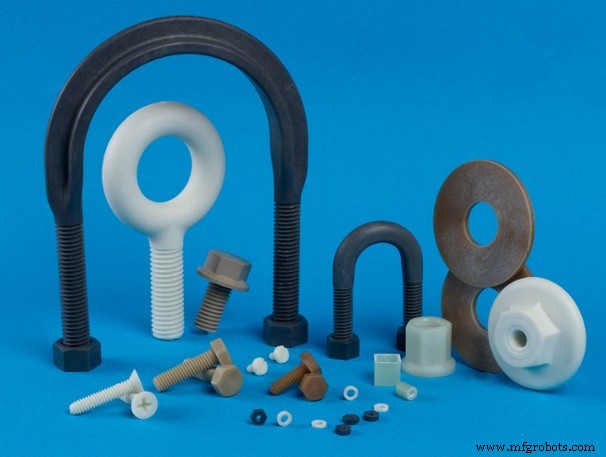 Imagine a world without plastic. Since World War II, polymers have become indispensable, yet most common plastics are under a century old. Below is a concise timeline that traces the key milestones in plastic development.
1) Parkesine
Invented in 1862 by Alexander Parkes, Parkesine was showcased at the Great International Exhibition in London. Derived from cellulose extracted from plant cell walls, it was marketed as an affordable alternative to rubber. Parkesine could be molded, was translucent, and retained its shape upon cooling.
2) Celluloid
John Wesley Hyatt introduced celluloid in 1865, initially for billiard balls. By the 1890s, manufacturers used it to craft combs, bowls, and other items that mimicked tortoiseshell, ivory, and exotic woods.
3) Rayon
Rayon, a modified cellulose fiber, was first developed in 1891 by Louis Marie Hilaire Berniguat in Paris. It offered a silk‑like sheen and was promoted as a silk substitute, though early versions were highly flammable.
4) Bakelite
In 1907, Leo Baekeland created Bakelite, the first fully synthetic plastic. It withstood high temperatures and mechanical stress, leading to its use in clocks, jewelry, and telephones by the 1930s.
5) Cellophane
Swiss chemist Jacques E. E. Cellophane emerged in 1912 as a waterproof tablecloth. By 1927 DuPont released a moisture‑resistant version, and it soon became ubiquitous for candy wrapping and food packaging.
6) Polyvinyl Chloride (PVC)
Though synthesized in 1872, PVC became commercially viable in 1926 as a rubber alternative. Its versatility made it a staple in construction, medical devices, and “vinyl” records.
7) Polyethylene
Discovered accidentally by Hans von Pechmann in 1898, polyethylene entered mass production in 1944. Today it accounts for roughly 80 million tons of global plastic output annually, available in multiple densities and grades.
8) Polyvinylidene Chloride (PVDC)
At Dow Chemical in 1933, a lab worker inadvertently produced PVDC, which the military adopted for saltwater‑resistant fighter‑plane coatings. In 1953, its clinginess was leveraged for the first Saran Wrap.
9) Nylon
DuPont introduced nylon stockings at the 1939 New York World’s Fair. By World War II, nylon supplanted silk in military gear and apparel, and today it remains a cost‑effective plastic for countless components.
10) Polyester
Commercially available since the 1950s, polyester—marketed as Dacron by DuPont—offered a washable, durable alternative to natural fibers, fueling its popularity in the 1980s fashion boom.
Most plastics were engineered as cheaper substitutes for prized natural materials. Today, scientists refine these polymers to meet modern demands, including the development of biodegradable and eco‑friendly alternatives. Who knows what the future will bring?
Would you like to know the history of a material I didn’t mention? Ask me in the comments section below!
Interested in learning more about plastic materials? Download our free guide!

Resin
- 3D Printing Plastic in Space – Made in Space’s Archinaut Breakthrough
- How Plastic Materials Are Revolutionizing Modern Construction
- Can Organic Materials Drive the Next Generation of Plastics?
- Why Aerospace Ranks Plastics as the Ultimate Weight‑Saving, Corrosion‑Resistant Material
- How Plastics Power Modern Medicine
- How Cryogenic Temperatures Affect High‑Performance Plastics: Expert Insights
- Fiber‑Reinforced Plastic: Why It Outperforms Steel, Aluminum, and Timber in Modern Applications
- Understanding Creep in Plastics: Causes, Types, and Practical Implications
- Top 15 Plastic Injection Molding Materials for Optimal Performance
- Mastering Plastic Extrusion: Process, Materials & Key Applications