



Fiber‑Reinforced Plastic: Why It Outperforms Steel, Aluminum, and Timber in Modern Applications
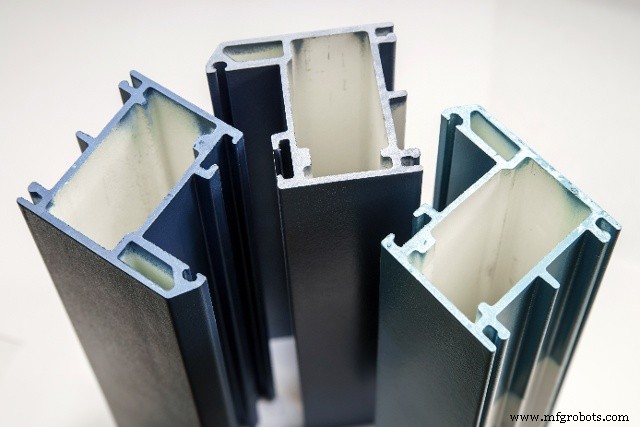 Fiber‑reinforced plastic (FRP) is revolutionizing industries from construction to wastewater treatment and theme parks. But how does it stack up against traditional materials like steel, aluminum, and timber? Let’s explore.
1) Fabrication and Design
FRP offers exceptional design flexibility. It can be field‑fabricated with simple carpentry tools and carbon or diamond‑tip blades—no torches or welding required. Its low density makes transport and installation easier, whereas steel often needs heavy machinery.
2) Resilience
Fiberglass products finish with a gelcoat that can be engineered for superior hardness and resilience, providing a durable, high‑quality surface.
3) Cost
Although stainless steel may start at a lower material price, FRP’s lower installation and maintenance costs translate into a lower life‑cycle expense. Wood is cheaper upfront but degrades faster, driving up upkeep. Aluminum is comparable in price to fiberglass polymers.
4) Stiffness
FRP can be up to 3.3 times as rigid as timber and retains its shape under load. Its modulus of elasticity is 2.8 × 10⁶ psi.
5) Impact Resistance
Fiberglass does not permanently deform or break under impact. In pultruded parts, the glass mat distributes force, protecting the surface even at sub‑zero temperatures.
6) Corrosion, Rot, and Insect Resistance
FRP resists a wide range of chemicals and remains unaffected by moisture, making it ideal for environments prone to spills. It also resists insect damage. Steel and aluminum oxidize unless painted or galvanized, and concrete can suffer water damage. Wood warps, rots, and is vulnerable to termites and marine borers.
 7) Strength
Fiber‑reinforced plastic surpasses timber in flexural strength and often outperforms steel and aluminum in the longitudinal direction. Ultimate flexural strength reaches LW‑30,000 psi and CW‑10,000 psi; compression strength is LW‑30,000 psi and CW‑15,000 psi.
8) Weight
FRP weighs only two‑thirds of aluminum and one‑quarter of steel, simplifying handling and reducing installation and repair costs.
9) Color
Because FRP components are molded, color is integral to the part, eliminating the need for paints or stains that require periodic touch‑ups. A broad spectrum of colors is available.
10) Thermal Properties
FRP is an excellent insulator with low thermal conductivity (4 BTU·in./hr·ft²·°F) and a coefficient of expansion of 7‑8 × 10⁻⁶ in./in./°F. Unlike metals, it remains cool to the touch and withstands humid, swampy conditions.
11) Electrical Conductivity
Fiberglass is non‑conductive and offers high dielectric strength, unlike steel or aluminum, which must be grounded. Even timber can become conductive when wet.
Fiber‑filled plastics are a key option for many Craftech Industries customers replacing metal fasteners and components. Need help selecting materials? Call us at 800‑833‑5130!
So what do you think? Are you impressed yet? Let me know in the comments section below.
Interested in learning more about strong plastics? Download our free guide!

Resin
- Fiber‑Reinforced Plastic (FRP): A Game‑Changing Alternative to Steel
- How Plastic Materials Are Revolutionizing Modern Construction
- Can Organic Materials Drive the Next Generation of Plastics?
- From Parkesine to Polyester: The Evolution of Plastic Materials
- How Plastics Power Modern Medicine
- How Cryogenic Temperatures Affect High‑Performance Plastics: Expert Insights
- Carbon Fiber Reinforced Plastics: Evolution, Benefits, and Production
- Carbon Fiber Reinforced Plastic (CFRP): Strength, Weight Savings, and Emerging Applications
- Why FRP Outperforms Traditional Materials in Industrial Construction
- Fiber‑Reinforced Plastics: Benefits, Applications, and Key Properties