



7 Reasons PVC Dominates Medical Device Applications
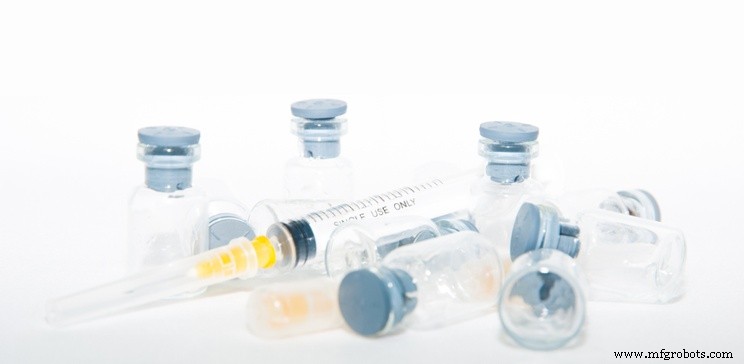 PVC is the leading thermoplastic in the medical device sector, having proven its reliability over more than five decades. Originally engineered to replace rubber and glass for flexible tubing and containers, PVC quickly became the preferred material as the demand for single‑use, pre‑sterilised components grew.
PVC is the material of choice for storing IV fluids, dialysis solutions, blood, and blood products. It endures sterilisation by steam (−40 °C to 121 °C), ethylene oxide (ETO), gamma irradiation, and electron beam, making it versatile for diverse sterilisation protocols.
Its ability to be joined via high‑frequency welding enables a wide range of container shapes and attachments. Commercially available PVC is highly branched with low crystallinity, while high‑molecular‑weight variants (K‑Value > 100, number‑average MW up to 150,000) offer superior strength and surface properties.
Key benefits that keep the medical industry choosing PVC:
- Safety – Extensive toxicological testing, including ISO 10993 standards, confirms PVC’s safety for medical use.
- Chemical Stability – PVC resists changes when exposed to a variety of liquids, maintaining its integrity.
- Clarity & Transparency – Highly transparent formulations allow continuous monitoring of fluid flow and can be colour‑coded as needed.
- Biocompatibility – PVC shows high biocompatibility, which can be further enhanced with surface modification.
- Flexibility, Durability & Dependability – Ideal for blood bags and IV containers, PVC remains strong across temperature fluctuations and can be extruded, thermo‑formed, or blow‑moulded.
- Cost‑Effectiveness – PVC accounts for roughly one‑third of medical plastic costs; switching to alternatives could add hundreds of millions of dollars annually.
- Resistance to Chemical Stress Cracking – PVC’s resilience ensures consistent performance in demanding applications, reducing failures caused by stress‑induced cracking.
At Craftech, we specialize in PVC parts across various sizes and applications. Questions? Leave a comment below or download our free guide for more information on PVC.
Resin
- Molybdenum in Medicine: Advanced Applications in Breast Imaging and Bone Repair
- Why Nylon Fasteners May Fail: 6 Critical Limitations for Engineers
- Top 3 Benefits of Using a Rogowski Coil for Accurate Current Measurement
- Why DATRON Dental Tools Are the Best Choice: 5 Key Advantages
- Why Flat Bottom Tools Are Essential: 10 Key Benefits
- Critical Applications of Medical Compressors in Hospitals and Labs
- 5 Key Benefits of Waterproof Labels for Your Business
- Why Digital Work Instructions Boost Efficiency: 5 Key Benefits
- 5 Key Benefits of Partnering with a Professional 3D Printing Service
- 7 Key Benefits of Implementing Robotics in the Chemical Industry