



Expert Overview of Biodegradable Plastics: Facts, History, and Applications
Contrary to popular belief, many plastics can biodegrade under the right conditions. The idea of biodegradable plastics and polymers emerged in the early 1980s.
Bacterial Breakers
Research into plastic‑degrading bacteria dates back to 1975, when Japanese scientists isolated a strain of Flavobacterium from wastewater pools at a nylon factory. They identified two bacterial species—Flavobacterium and Pseudomonas—that produce nylonase enzymes capable of breaking nylon into its monomers. These microorganisms did not exist before nylon’s invention in 1935, underscoring how industrial waste can spur biological innovation.
Biodegradation relies on living organisms, primarily bacteria, to break down plastics.
Biodegradable plastics fall into two categories. First, true bioplastics are made from renewable feedstocks, such as poly‑3‑hydroxybutyrate (PHB) and polyhydroxyvalerate (PHV). Second, conventional petrochemical plastics can be engineered with biodegradable additives that accelerate microbial breakdown. Aromatic polyesters are largely resistant to microbes, whereas aliphatic polyesters—thanks to hydrolysable ester bonds—are readily biodegradable. One of the most widely used bioplastics is polylactic acid (PLA), a thermoplastic aliphatic polyester derived from renewable crops like corn, tapioca, and sugarcane. Despite its name, PLA is not a polyacid but a polyester; it ranks second in global bioplastic consumption.
Biodegradable Polymers
When biodegradable polymers decompose, they yield harmless end products—including CO₂, N₂, H₂O, biomass, and inorganic salts. These materials can be naturally occurring or synthetically produced and are typically built from ester, amide, and ether linkages. Their degradation pathways depend on molecular structure and are often achieved through condensation reactions or ring‑opening polymerization during manufacturing.
 Biodegradable ≠ Compostable
“Compostable” refers to materials that transform into compost or humus under specific conditions, whereas “biodegradable” simply indicates that a substance can be broken down by living organisms. The efficiency of producing bioplastics from renewable feedstocks remains a topic of active discussion.
Compostable Plastics
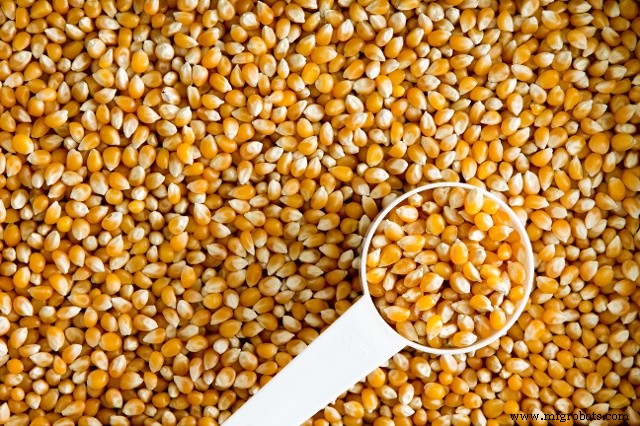
Producing 1 kg of PLA requires about 2.65 kg of corn. Global annual production of 270 million tons of plastic—much of it replacing conventional polymers with corn‑derived PLA—displaces roughly 715.5 million tons of corn from the food supply. This shift occurs amid declining crop yields due to climate change, while 40 % of corn is currently allocated to ethanol, 35 % to animal feed, and only a small fraction to human consumption.
Although bacteria that digest plastic are not a complete solution for waste management, they do demonstrate a remarkable capacity to break down hydrocarbons.
Biodegradable plastics are employed across a wide array of consumer goods—including packaging, bottles, jars, air‑pillow inserts, tea bags, pencil sharpeners, and pens.
Have questions or comments? Share them in the section below.
Want deeper insights into plastic manufacturing? Download our free Glossary of Plastic Terms.

Resin
- Verilog Basics: Designing Your First AND Gate
- Foundations and Advancements of AC Motor Technology
- Choosing the Right Plastic for 3D Printing: A Comprehensive Guide
- Top 4 Chemical-Resistant Plastics for Engineering Excellence
- Ultrasonic Welding of Plastics: A Professional Guide to High-Strength, Eco-Friendly Bonding
- Understanding Anti‑Static, Dissipative, and Conductive Plastics: Materials, Applications, and ESD Protection
- Biodegradable Plastics: Benefits, Challenges, and the Path Forward
- Lanxess IPG Delivers Expert Pigment Analysis for Colorful Biodegradable Plastics
- Conductive Plastics: Lightweight, Tough, and Electrically Efficient Solutions
- Choosing the Right Plastics for Automotive Manufacturing: A Comprehensive Guide