



Top 4 Chemical-Resistant Plastics for Engineering Excellence
The Four Top Chemical-Resistant Plastics
In engineering, fasteners and components often face aggressive chemicals and extreme temperatures. Choosing a plastic that can endure these conditions is critical for product longevity and safety.
When evaluating a chemical‑resistant plastic, consider the industries that routinely use it. Medical, food processing, and chemical manufacturing demand materials that remain inert under harsh conditions. Below, we highlight the four plastics that consistently perform across the most demanding environments.
- Kynar® (PVDF)
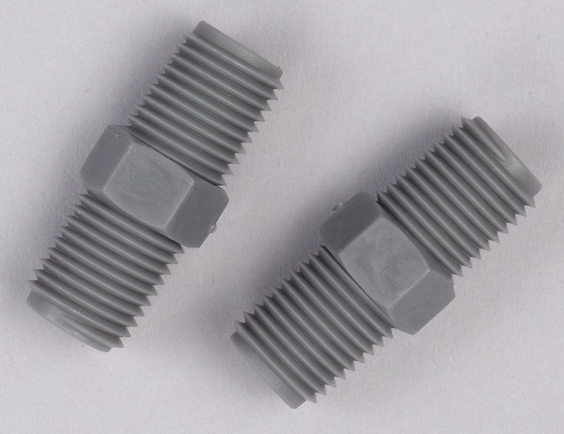
PVDF resins are prized in power, renewable energy, and chemical processing for their resistance to high temperatures, corrosive acids, and nuclear radiation. Their high purity and versatility make them staples in pharmaceuticals, medical devices, food & beverage, and semiconductor manufacturing. In mining, plating, and metal preparation, PVDF’s tolerance to hot acids across concentrations is unmatched. Automotive and architectural sectors also favor PVDF for its UV resistance and durability in extreme weather.
- PEEK
PEEK delivers exceptional strength and chemical inertness, making it ideal for medical implants and orthopedic applications. It offers superior mechanical and thermal properties, high‑temperature creep resistance, low flammability, hydrolysis resistance, and radiation tolerance. Aerospace, automotive, telecommunications, and chemical plants rely on PEEK for wear‑resistant parts such as valve seats, pump gears, and compressor plates. - PVC
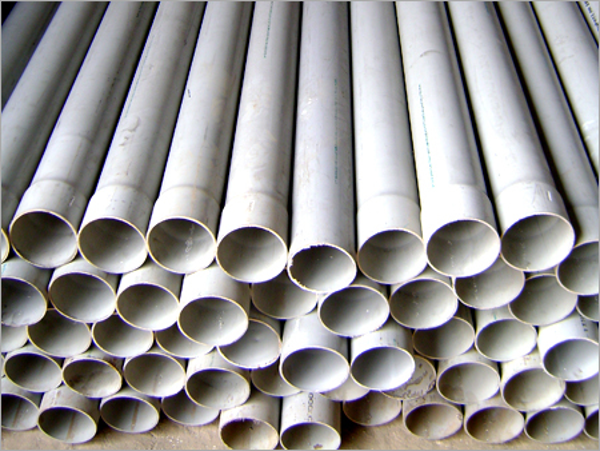
PVC is the third‑most produced plastic worldwide, largely due to its widespread use in indoor and underground wastewater piping. In construction, PVC outperforms traditional materials like copper, iron, and wood. By adding plasticizers, PVC becomes softer for apparel and upholstery. Its chemical resistance, flame retardancy, thermal stability, and low lead content make it suitable for window frames, cable insulation, outdoor signage, sporting gear, medical tubing, flooring, greenhouses, and playground equipment. Historically, PVC even found use in vinyl records.
- CPVC
CPVC, derived from chlorinated PVC, shares many of PVC’s benefits while offering superior corrosion resistance and higher temperature tolerance—up to 180 °F versus 140 °F for PVC. CPVC’s enhanced chlorine content protects it in hot water, chlorine, and sulfuric acid applications, as well as high‑pressure electrical cable sheaths. It remains fire‑retardant and easy to work with.
Have you incorporated any of these materials into your projects? Or do you prefer another option? Share your insights in the comments below.
Looking for a detailed chemical‑resistance chart? Explore our High Performance Materials Guide!

Resin
- Top 8 Ozone‑Safe Plastics for Reliable, Corrosion‑Resistant Design
- Fluoropolymers: The Premier Choice for Chemical‑Resistant Plastics
- Nylon Fasteners: How Chemically Resistant Are They?
- UV Degradation of Plastics: Understanding Damage and Choosing UV‑Resistant Additives
- 10 Cutting‑Edge Trends Transforming Performance Plastics
- November 2018: The 5 Leading Pharmaceutical & Chemical Machines
- Top 5 Heat-Resistant Plastics for High-Performance Applications
- Top 5 High-Performance Chemical-Resistant Plastics for Harsh Environments
- Top 5 Hydrolysis-Resistant Plastics for Long-Lasting Outdoor Applications
- Top 5 High-Impact-Resistant Plastics for Industrial Applications