



Top 8 Ozone‑Safe Plastics for Reliable, Corrosion‑Resistant Design
Ozone‑safe plastics are essential in food processing, water purification, and medical applications. Ozone, a potent disinfectant and deodorizer, eradicates bacteria and mold spores when dissolved in water or introduced as gas.
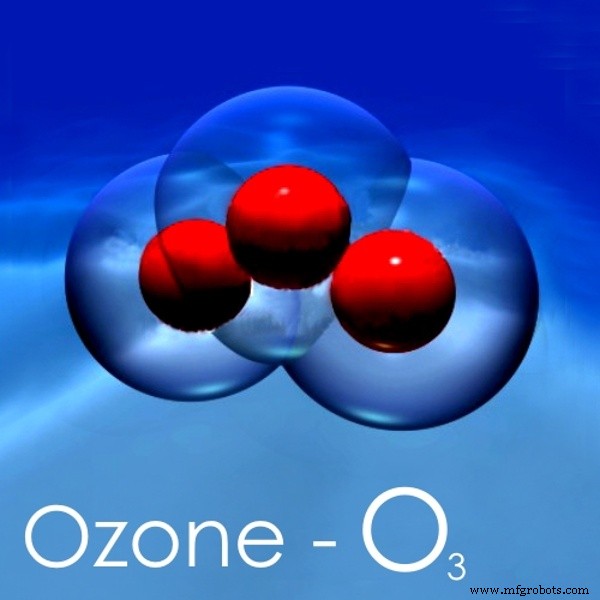
While ozone is an effective sterilant, it is also highly corrosive and an air‑pollution hazard. Many plastics withstand ozone exposure, yet others degrade rapidly. The materials listed below have proven resistance and are commonly used in ozone‑generating equipment, often replacing more costly metals and fasteners.
Below is a curated list of the eight best ozone‑safe plastics, rated from A (excellent) to D (poor) for ozone resistance.
1) PEEK (Polyetheretherketone): PEEK receives an A rating for ozone exposure. It offers high tensile strength, chemical resistance, and can withstand temperatures up to 470 °F with minimal creep. Its exceptional performance is ideal for demanding applications, though the cost is higher than many alternatives.
2) Polycarbonate: Also rated A, glass‑filled polycarbonate matches PEEK’s tensile strength while providing excellent electrical insulation. Its clear, moldable form makes it suitable for gauge faces or see‑through visors, and it maintains good creep resistance across a broad temperature range.
3) CPVC (Chlorinated PVC): CPVC earns an A rating and absorbs little water, making it ideal for diffusion or venturi systems that introduce ozone gas directly into water.
4) PTFE (Teflon): PTFE also receives an A rating and tolerates temperatures from –100 °F to >500 °F. Its broad chemical resistance and non‑stick surface make it perfect for extreme temperature variations, though its lower strength means it is often used as a coating on stronger substrates.
5) PVDF (Kynar): Kynar is an A‑rated, moldable plastic with excellent chemical resistance. While it lacks the tensile strength or high‑temperature range of some other materials, it is ideal for applications that do not demand those properties.
6) PVC (Polyvinylchloride): PVC receives a B rating, indicating good ozone resistance but potential minor corrosion or discoloration. For cosmetic or critical applications, CPVC’s A rating is preferable.
7) ABS (Acrylonitrile Butadiene Styrene): ABS also holds a B rating. Its toughness and impact resistance make it suitable for mechanical drive parts in low‑ozone environments, though discoloration and corrosion can occur at higher concentrations.
8) Polyethylene (PE): PE is rated B in water and C in air. While a C rating is not recommended for continuous ozone exposure, its excellent lubrication properties make it useful for bearing surfaces in water‑based ozone systems.
Materials with a C rating—such as Acetal (Delrin), Neoprene, and Polypropylene—should be avoided for continuous ozone exposure, as they soften, lose strength, or swell. D‑rated materials, including all nylon and natural rubbers, suffer severe cracking, splitting, and corrosion and must never be used in ozone environments.
Looking for more detailed chemical‑resistance data? Download our comprehensive material guide for a full chart.

Resin
- Top 5 Plastic Bearings for Metal Surfaces: Phenolics, Nylon, PTFE, Acetal, UHMWPE
- Top 4 Chemical-Resistant Plastics for Engineering Excellence
- Fluoropolymers: The Premier Choice for Chemical‑Resistant Plastics
- 10 Cutting‑Edge Trends Transforming Performance Plastics
- Key Applications of Advanced Plastics Machinery
- Top 5 Heat-Resistant Plastics for High-Performance Applications
- Top 5 High-Performance Chemical-Resistant Plastics for Harsh Environments
- Top 5 Hydrolysis-Resistant Plastics for Long-Lasting Outdoor Applications
- Top 5 High-Impact-Resistant Plastics for Industrial Applications
- 5 FDA‑Approved Food‑Grade Plastics Every Supplier Should Know