



Top 5 Plastic Bearings for Metal Surfaces: Phenolics, Nylon, PTFE, Acetal, UHMWPE
Plastic bearings are the go-to choice for metal‑surface applications. They deliver exceptional corrosion resistance, chemical stability, and zero heat transfer to adjacent components. Many variants are self‑lubricating, eliminating maintenance‑related failures.
Among the plastics most frequently selected for bearing use are phenolics, nylon, PTFE (Teflon), acetal (Delrin), and UHMWPE. 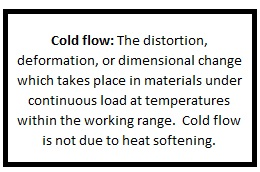 While each offers distinct advantages, they share common constraints—high‑temperature performance and susceptibility to cold flow under heavy load.
1. Phenolics
Phenolic resins provide excellent strength and shock resistance, and they tolerate water, acids, and alkalis. They are readily lubricated by a wide range of fluids, making them suitable for heavy‑load applications such as ship propeller bearings, rubber‑shaft bearings, switch‑gear, rolling‑mill, and water‑turbine bearings. In precision instruments and clock motors, laminated phenolics serve both as structural members and bearing surfaces. Proper clearance and cooling are essential for sustained performance under load.
2. Nylon
Nylon bushings exhibit low friction, are self‑lubricating, and operate quietly. They resist abrasion and wear, and can be molded, cast, or machined to tight tolerances. Adding graphite or molybdenum disulfide further enhances rigidity and wear resistance. Ordinary nylon is rated for continuous service up to 170 °F, while heat‑stabilized grades reach 250 °F; filled‑nylon parts can withstand temperatures up to 300 °F without distortion. Its low cost and versatility make nylon the most widely used plastic bearing material.
3. PTFE (Teflon)
PTFE offers an exceptionally low coefficient of friction and near‑perfect self‑lubrication. It resists nearly all chemicals and can operate continuously from –330 °F to 360 °F, with short‑term excursions to 550 °F. PTFE bearings excel in environments exposed to weather, corrosive vapors, or where metal lubricants would fail. They are ideal for sluice gates, low‑rpm or intermittent service, and applications where maintenance‑free operation is critical. The primary drawback is the higher material cost relative to metals and other resins.
4. Acetal (Delrin)
Delrin is a cost‑effective choice for automotive, appliance, and industrial bearings. Its exceptional wet‑abrasion resistance makes it ideal for use in damp or humid conditions.
5. Ultrahigh‑Molecular‑Weight Polyethylene (UHMWPE)
UHMWPE bearings provide a smooth, low‑friction surface and excellent abrasion resistance. They often serve as an economical substitute for acetal, nylon, or PTFE components.
Additional High‑Temperature Options
Polyimide, polysulfone, and polyphenylene sulfide are engineered for extreme heat and chemical exposure. When reinforced with graphite or other fillers, these materials can operate up to 500 °F and achieve a pressure‑temperature factor of 20,000 to 30,000. Polyimide molding compounds, in particular, show promise in bearing, seal, and piston‑ring applications at elevated temperatures.
What materials do you prefer for bearings? Let us know in the comments below!
Need more information on engineering plastics? Check out our High Performance Plastics Material Guide!

Resin
- Top 3 High‑Strength Materials for Plastic Fasteners
- Top 5 Drive Styles for Plastic Screws – Expert Insights for Your Projects
- The Top 3 Commercial Uses of Nylon: Fasteners, Cookware, and Fabric
- 6 Key Ways Plastic Materials Transform Modern Home Construction
- Choosing Between Plastic and Metal: Expert Insights for Optimal Material Selection
- Top 3 UV Stabilizers for Plastics: Enhancing Durability and Performance
- 10 Cutting‑Edge Trends Transforming Performance Plastics
- Niobium: Applications in Industry, Jewelry, Gravimetry, and Orthopedic Implants
- Expert Guide: 10 Best Plastic Resins for Precision Injection Molding
- Key Applications of Advanced Plastics Machinery