



FR‑4: The Ultra‑Strong, Flame‑Retardant Composite of Choice for Modern Engineering
Why FR‑4 is the benchmark for high‑performance composites. Known for its exceptional strength, FR‑4 can match or surpass many metals. Its Ultimate Tensile Strength reaches 45 000 psi—outperforming cast iron (29 000 psi), copper (31 900 psi), aluminum (43 500 psi) and structural steel (40 000 psi).
Composition and properties. FR‑4 is engineered from woven glass fabric saturated with a difunctional epoxy resin, yielding an anisotropic, direction‑dependent material. Standards are set by the National Electrical Manufacturers Association (NEMA) and the UL 94 V‑0 flame‑retardancy rating.
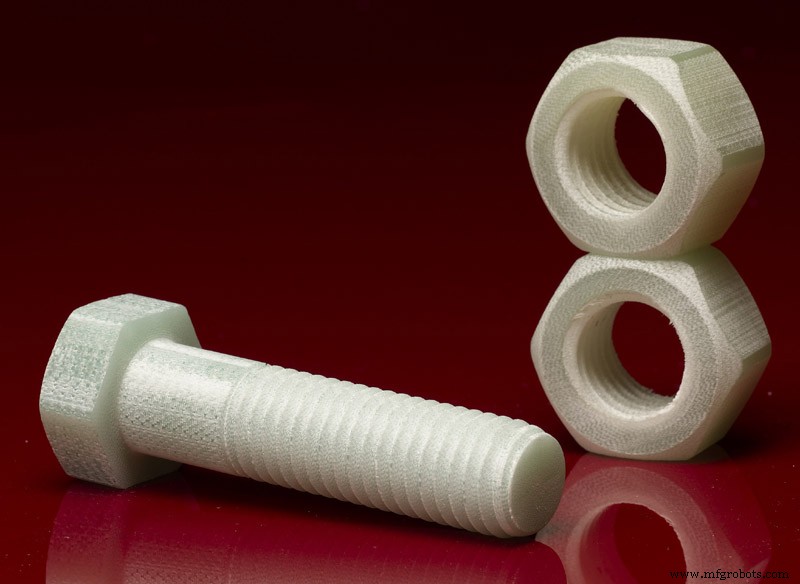
Beyond strength, FR‑4 delivers a suite of engineering advantages. Here are six key reasons why it excels:
- Flame‑retardant. With UL 94 V‑0 certification, a vertical specimen stops burning within 10 seconds after two blue‑flame exposures; dripping is allowed only if non‑igniting.
- Chemical resistance. FR‑4 tolerates a wide range of solvents—alcohols, aromatic hydrocarbons such as benzene and toluene—, nickel plating baths, and aggressive acids including 100 % hydrofluoric and hydrochloric. For a full chemical resistance chart, see our High Performance Material Guide.
- Water‑proof. Near‑zero water absorption renders FR‑4 inert in freshwater and seawater, making it ideal for marine structures, fish‑farm pods, boats, and undersea communication cables.
- Excellent electrical insulation. Low water uptake yields superior dielectric loss characteristics and high dielectric strength in both wet and dry conditions. This makes FR‑4 a staple in PCB manufacturing and for insulating fasteners, spacers, and other electrical components.
- Low density. With a specific gravity of 1.8, FR‑4 is lighter than aluminum (2.7) and far lighter than cast iron (7.2), copper (8.96), or steel (7.82).
- UV resistance. Grades formulated with a tetrafunctional epoxy system withstand ultraviolet exposure, further enhancing suitability for outdoor and underwater applications.
[i] Dielectric loss is the amount of heat an insulating material dissipates when subjected to an electrical current.
[ii] Dielectric strength is the maximum electrical field a material can withstand without losing its insulating properties.
[iii] Tetrafunctional describes a compound having four bonding sites in a molecule.
Have you integrated FR‑4 into your designs? Share your experiences in the comments below.
Need more insights? Sign up for a complimentary Material Consultation and let our engineers answer your questions.

Resin
- Top 3 High‑Strength Materials for Plastic Fasteners
- UL’s Comprehensive Testing for Flame‑Resistant Plastic Components
- Top 5 Drive Styles for Plastic Screws – Expert Insights for Your Projects
- Are Your Plastic Fasteners Ready for Winter? A Technical Review of Weather‑Proof Materials
- Urban Bees Adopt Plastic: A New Insight into Sustainable Nesting
- Craftech’s Durable Plastic Fasteners Empower APH’s Educational Tools for the Blind
- How Plastic Components Drive Automotive Fuel Efficiency
- Four Proven Techniques for Bonding Plastic Components
- Top 3 UV Stabilizers for Plastics: Enhancing Durability and Performance
- Expert Guide: 10 Best Plastic Resins for Precision Injection Molding