



Color Masterbatch Market: Growth Drivers and Industry Applications
Growth Drivers in the Color Masterbatch Market
The color masterbatch market is expanding steadily as key sectors—packaging, consumer goods, and building & construction—adopt more advanced plastics and demand higher color quality.
I. Color Masterbatch in Packaging
Packaging is essential for protecting and transporting goods across retail, industrial, and institutional channels. Globalization, evolving consumer lifestyles, and regulatory requirements have spurred a surge in demand for high‑quality, color‑accurate packaging solutions. Plastics—molded, extruded, blown, and cast into films, sheets, foams, and pellets—offer unparalleled versatility in shape, size, and aesthetic appeal. This versatility, coupled with strict compliance to safety standards, makes plastics the material of choice for packaging, driving the need for color masterbatch to achieve precise standard, specialty, and custom colors.
In the plastic packaging industry, color masterbatch is the preferred additive over pigments or dyes because it integrates seamlessly during processing, ensuring consistent color distribution and improved mechanical properties.

II. Consumer Goods
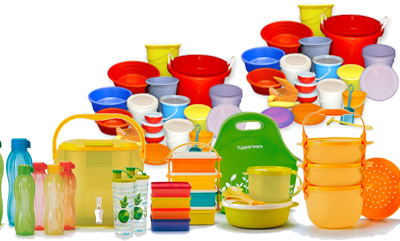
Thermoplastics such as PS, PP, PVC, and HDPE are extruded and molded into a wide array of consumer products—including electronics, stationery, toys, kitchenware, footwear, safety gear, cosmetics, and household items. The consumer goods sector relies heavily on color masterbatch to enhance visual appeal, brand differentiation, and functional performance, making it a key driver of market demand.
III. Building and Construction
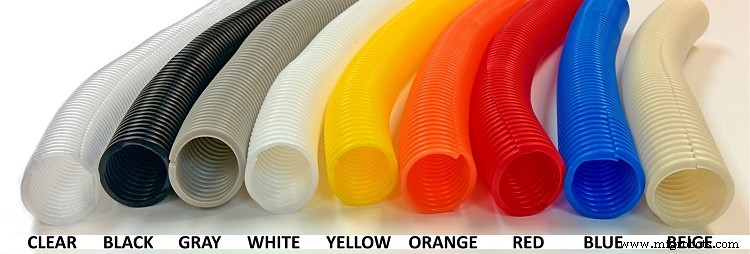
Plastics are increasingly employed in construction for both interior and exterior applications—including domes, roofing, flooring, storage containers, insulation, windows, pipes, cables, fixtures, panels, and railings. Materials such as PVC, PU, PS, PE, PP, and composites provide durability, cost savings, and superior aesthetics. In North America alone, plastics in construction are projected to generate enough energy savings annually to power roughly five million households. As sustainability and cost efficiency become paramount, the adoption of colored plastic components—and thus color masterbatch—will continue to rise.
SEE MORE
Color masterbatch volume is rising steadily in the plastic industry; increased production scale and consumption volume make the color masterbatch business increasingly attractive.
Dye
- Television: From Mechanical Origins to Smart Future
- Color Masterbatch Mixing in Plastic Manufacturing: Expert Guide to Resin Selection and Process Optimization
- Global Plastic Filler Masterbatch Market 2021 – Size, Trends & 2026 Forecast
- Global Leaders in Color Masterbatch Production: Quality, Expertise, and Trust
- Four Reliable Ways to Color Plastic Moulds – Masterbatch, Compounding, Solvent, and Dry Pigment
- Choosing the Right Color Masterbatch for Plastic Production
- Color Masterbatch: The Preferred Choice Over Pigments in Modern Plastic Production
- High‑Performance PP Filler Masterbatch for Industrial Plastic Production
- Color Masterbatch: The Premier Solution for Industrial Plastic Coloration
- PET Color Masterbatch: Key Features, Applications, and Why Sunrise Colors Is Your Trusted Supplier