



Pigment Blue & Pigment Green: Symbolic Significance and Chemical Properties
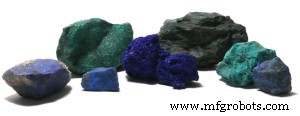
Colours are more than visual delight—they carry cultural narratives and chemical identities. In this article we examine two common pigments, Blue and Green, from both symbolic and scientific perspectives.
Symbolic Meaning of Colour Blue and Colour Green
In India, colour symbolism is deeply rooted in mythology and everyday life. Blue is often linked to the divine skin tone of Lord Krishna, symbolising divine wisdom, power, and the life‑giving fluid of water. Green, meanwhile, echoes the nation’s agrarian heart—representing fertile fields, renewal, abundance, and the very essence of nature.
Chemical Attributes & Applications of Pigment Blue and Pigment Green
Pigment Green is a synthetic phthalocyanine dye. It appears as a soft, green powder that does not dissolve in water. Its exceptional molecular stability renders it resistant to acids, alkalis, heat, solvents and UV radiation, making it a staple in coatings, inks, plastics, packaging and printing. Cosmetic formulations also use it, except for products applied beneath the eyes. While it is not a core pigment for professional artists, many beginners include it in their palettes.
Pigment Blue is a bright, crystalline phthalocyanine pigment. The name “phthalo” derives from “naphtha” (oil) and “cyanine” (blue). It boasts excellent lightfastness, high covering power, strong tinting strength and durability against acids and alkalis. The powder form is water‑insoluble and remains insoluble in most organic solvents. Its broad utility spans plastics, coatings, inks, packaging and printing, and it is a popular choice on an artist’s palette. Emerging research shows its suitability for thin‑film solar cells and quantum‑computing devices, thanks to its uniform growth and chemical resilience.
Both pigments are non‑biodegradable yet are not known to harm plants or marine organisms. No carcinogenic effects have been documented. However, emerging evidence suggests that exposure to either pigment during pregnancy may be linked to severe birth defects in developing embryos.
Thus, while a world of colours enriches our lives with symbolic meaning, their laboratory‑grade attributes often tell a different story.
Dye
- Titanium: Key Chemical Properties and Corrosion Behavior
- Green Tea: From Ancient Roots to Modern Health
- Blue Denim Jeans: Classic Comfort & Timeless Style
- How Premium Pigment Red Manufacturers Empower Modern Industries
- Pigment Blue: Key Applications, Benefits, and Why Industry Leaders Rely on Trusted Manufacturers
- Automotive Coatings & the Role of Pigment Red 170
- Pigments: Types, Properties, and Applications
- Key Pigments in the Rubber Industry: Enhancing Performance and Durability
- Pigment Printing: Benefits, Drawbacks, and Applications in Textile Manufacturing
- Discover Why the Statue of Liberty Appears Blue and Green