



Basic Oxygen Steelmaking: How the World’s Leading Steel Production Process Works
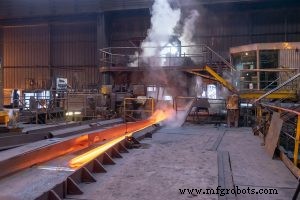
Steel is the backbone of modern infrastructure—found in everything from skyscrapers and bridges to cars and turbines. With iron and carbon as its core, steel’s versatility stems from its precise alloying and refining processes. Among the many methods to produce steel, basic oxygen steelmaking (BOS) dominates, accounting for more than half of global output.
What Is Basic Oxygen Steelmaking?
BOS is a high‑temperature, multi‑step procedure that converts molten pig iron into steel by blowing pure oxygen into the molten bath. The intense oxygen environment oxidises excess carbon and other impurities, reducing the carbon content to the levels required for structural steel.
Key Steps in the Process
- Pig Iron Preparation: Pig iron, produced in a blast furnace, is ladled into a large, refractory vessel.
- Pre‑Treatment Oxygen Blowing: A preliminary lance introduces a modest stream of oxygen to begin the oxidation cycle.
- Charging: Additional alloying elements—such as manganese, silicon, and trace amounts of other metals—are added to tailor the steel’s properties.
- Oxygen Lance Operation: A high‑pressure lance with multiple nozzles delivers pure oxygen at temperatures exceeding 3,000°F (1,650°C). The resulting rapid oxidation of carbon and impurities drives the steel toward the desired composition.
- Flux Addition and Slag Formation: Fluxes (typically calcium or magnesium compounds) are introduced to capture residual impurities. They combine with the liberated oxides to form slag, which floats on top of the molten steel.
- Separation and Cooling: The slag is skimmed off, and the refined steel is cast into molds or transferred to subsequent processing steps.
Why It’s Called “Basic” Oxygen Steelmaking
The term “basic” refers to the alkaline slag produced during the process. This slag acts as a protective blanket, absorbing harmful gases and preventing re‑oxidation of the steel. The combined action of high‑purity oxygen and the basic slag ensures consistent quality and efficiency.
Impact on the Global Steel Industry
Since its commercial introduction in the 1950s, BOS has revolutionised steel production. Its speed—typically 10–15 minutes per batch—lowers energy consumption and operating costs, making it the preferred method for large‑scale producers worldwide.
Conclusion
Basic oxygen steelmaking remains the cornerstone of modern steel manufacturing. By harnessing pure oxygen and a carefully managed slag system, the process efficiently transforms pig iron into high‑quality steel that supports the world’s infrastructure, transportation, and technology.
Industrial equipment
- Understanding the Oxygen (O2) Sensor: Role, Placement, and Failure Signs
- C++ Programming Basics: What Is C++ and Why It Matters
- Advanced Automation, Control, and Modeling in Basic Oxygen Steelmaking
- Optimizing Refractory Lining for Maximum Availability in Basic Oxygen Furnaces
- The Chemistry Behind Basic Oxygen Furnace Steelmaking
- Oxygen Blowing in Converter Steelmaking: Enhancing Purity and Efficiency
- The Evolution of Basic Oxygen Steelmaking: From Inception to Modern Practices
- Understanding Slag Foaming in Basic Oxygen Furnaces: Causes, Effects, and Mitigation
- Optimizing Slag Slopping in Basic Oxygen Furnaces for Superior Steel Quality
- Decoding 'N' in Pump Calculations: Its Role and Significance