



Precision Inconel CNC Machining Services by Rapid Axis
Inconel is a high‑performance nickel‑chromium alloy that excels in extreme heat, corrosion, and mechanical stress. It’s the backbone material for aerospace, automotive, energy, and marine systems. At Rapid Axis, we turn this demanding alloy into precision CNC components that meet the strictest industry standards.
What Is Inconel?
Inconel is a family of engineered superalloys, not a pure metal. Each grade is formulated to retain strength, resist oxidation, and preserve structural integrity under high temperatures and severe loads. This makes Inconel indispensable for projects where ordinary steel or aluminum would fail.
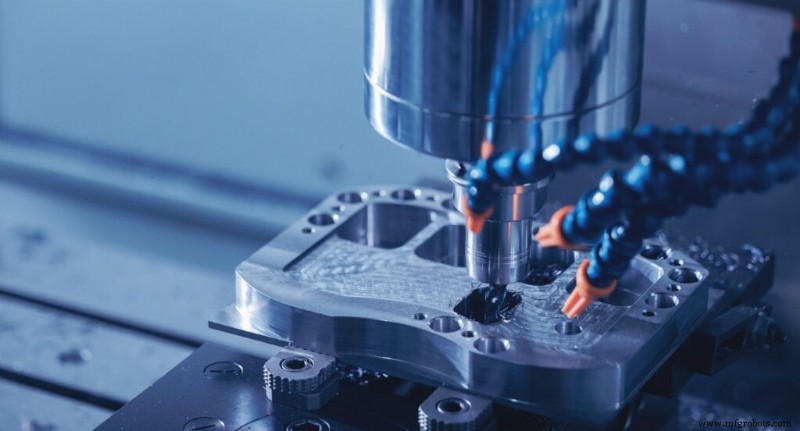
Key Properties of Inconel
- High‑temperature resilience: Maintains strength and resists oxidation above 1,000°F (538°C).
- Superior corrosion resistance: Withstands acids, salts, and marine environments for long‑term durability.
- Exceptional toughness: Withstands heavy loads, high pressures, and cyclic stresses without fatigue.
Common Forms
Inconel is available as bars, sheets, plates, and tubes—ready for forging, casting, or precision CNC machining.
Is Inconel Difficult to Machine?
Yes. Its high strength, toughness, and work‑hardening tendency make it one of the toughest alloys to machine. Only shops with proven experience should tackle Inconel, as improper tooling or parameters can lead to rapid tool wear and dimensional drift.
Understanding Inconel Machinability
Compared to other metals, Inconel’s machinability is rated poorly. Key challenges include:
- Work hardening during cutting, which increases tool wear.
- Low thermal conductivity, causing heat to build up at the cutting edge.
- Hardness that accelerates tool wear, demanding specialized tooling.
Rapid Axis’s machinists mitigate these issues with advanced strategies, delivering tight tolerances and reliable surface finishes.
Why Inconel Machining Is Challenging
Our experience shows that three factors drive the difficulty: work hardening, heat concentration, and accelerated tool wear. Each requires a deliberate approach to keep parts within spec.
Work Hardening During Machining
Cutting Inconel quickly hardens the material. We use sharp carbide inserts and carefully tuned feeds to control hardening and maintain tolerances.
Heat Generation
Because Inconel conducts heat poorly, heat accumulates at the tool tip. We deploy high‑pressure coolant and cryogenic systems to dissipate heat and protect tool life.
Accelerated Tool Wear
Hardness causes rapid tool degradation. Our process includes regular tool inspection, high‑quality coated inserts, and precise parameter control to extend tool life.
Essential Tools and Techniques for Inconel Machining
Success hinges on the right combination of tools, coolants, and cutting strategies.
Cutting Tools
- Carbide Inserts – High hardness and heat resistance.
- Ceramic Tools – Ideal for high‑speed, high‑heat operations.
- Coated Tools (TiAlN) – Reduced friction and extended life.
Coolant Options
- High‑Pressure Systems – Efficient heat removal.
- Oil‑Based Coolants – Superior lubrication and chip evacuation.
- Flood Coolants – Stabilize temperature and mitigate work hardening.
Cutting Parameters
- Speed – Lower speeds reduce heat and prolong tool life.
- Feed – Moderately high feeds minimize work hardening.
- Depth of Cut – Consistent depths preserve dimensional accuracy.
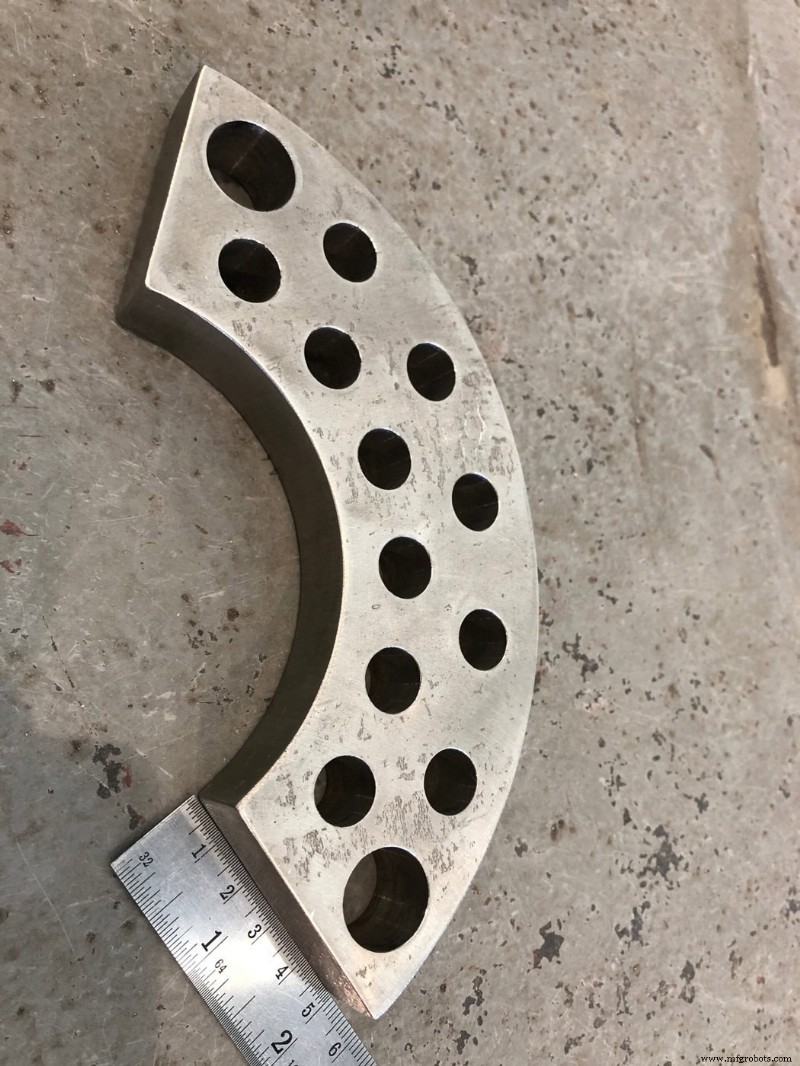
Inconel Grades and Their Applications
Each grade is tailored for specific operating conditions:
Inconel 718
High tensile strength and weldability make it ideal for turbine blades, jet engine parts, and structural components in aerospace.
Inconel 625
Excellent corrosion resistance in saltwater and chemical environments; used in marine and chemical processing equipment.
Inconel 600
Optimized for oxidation resistance at high temperatures; common in heat exchangers, furnaces, and industrial ovens.
Choosing the Right Grade
Select a grade based on temperature, corrosive exposure, and mechanical demands. Our team can guide you to the optimal material for your application.
Typical Inconel Applications
- Aerospace: turbine blades, exhaust systems, structural parts.
- Automotive: turbocharger housings, exhaust manifolds.
- Energy: nuclear reactor components, heat exchangers, gas turbines.
- Marine: deep‑sea drilling equipment, saltwater‑exposed components.
- Industrial: chemical processing equipment, pressure vessels.
Conclusion
While Inconel machining is demanding, Rapid Axis’s expertise, advanced tooling, and precise process control deliver parts that meet the highest standards of quality and durability. Whether you need aerospace‑grade components or robust industrial parts, our CNC machining capabilities ensure you get the performance you require.
Contact us today for a free quote and discover how our precision machining can elevate your project.
Industrial equipment
- Understanding Screw Joints: Definition, Uses, and Advantages
- Demag Cranes: Unmatched Reliability & Quality for Every Business
- Eco-Friendly Trucking: Leading the Shift to Sustainable Transport Solutions
- Inside a Wind Turbine: How It Converts Wind into Power
- Vertical Mills: Rugged Design for Reliable, Operator-Friendly Performance
- Implementing Reliability Centered Maintenance (RCM): A Proven Guide
- How to Select the Ideal Flex Auger Screw Conveyor for Your Application
- The Comprehensive Guide to Industrial Disc Brake Calipers: Design, Applications, and Industry Impact
- Industry Spotlight: The Mining Industry – From Colonial Roots to Modern Innovation
- Understanding Nickel‑Chrome Plating: Process, Applications, and Safety