



AODD Pumps: The Key to Efficient, Reliable Ceramic Production

In a globally critical market that underpins everyday products, AODD pumps deliver unmatched efficiency, reliability and versatility, enabling ceramic plants to operate at peak performance.
As the ceramics industry approaches its bicentennial—originating in Europe around 1830—its recent expansion has made it a cornerstone of many economies. Over the past decades, tile and sanitaryware production has spread from its traditional base in Europe and the United States to emerging markets in the BRIC countries, with Mexico, Turkey and China also driving significant growth.
“Ceramics” simply means “articles made from clay hardened by heat,” but modern manufacturing now relies on advanced technologies: giant silos, high‑speed printing that can emboss any image on a tile, and robots that automate the enameling of sanitaryware. These innovations demand massive facilities—often exceeding 100,000 m²—where 350 or more air‑operated double‑diaphragm (AODD) pumps circulate highly abrasive products such as barbotine and ceramic enamel around the clock.
Assessing the Operation
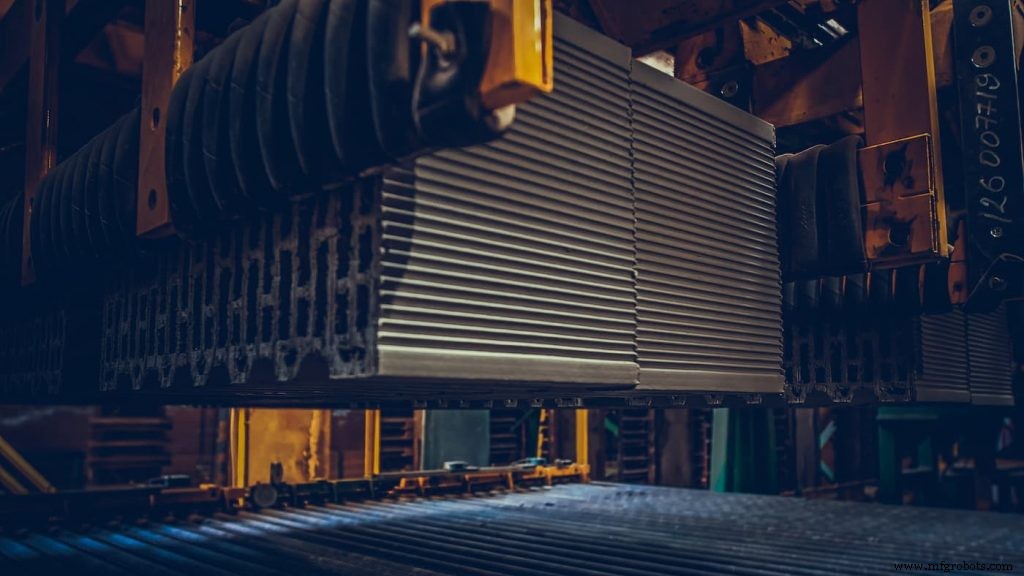
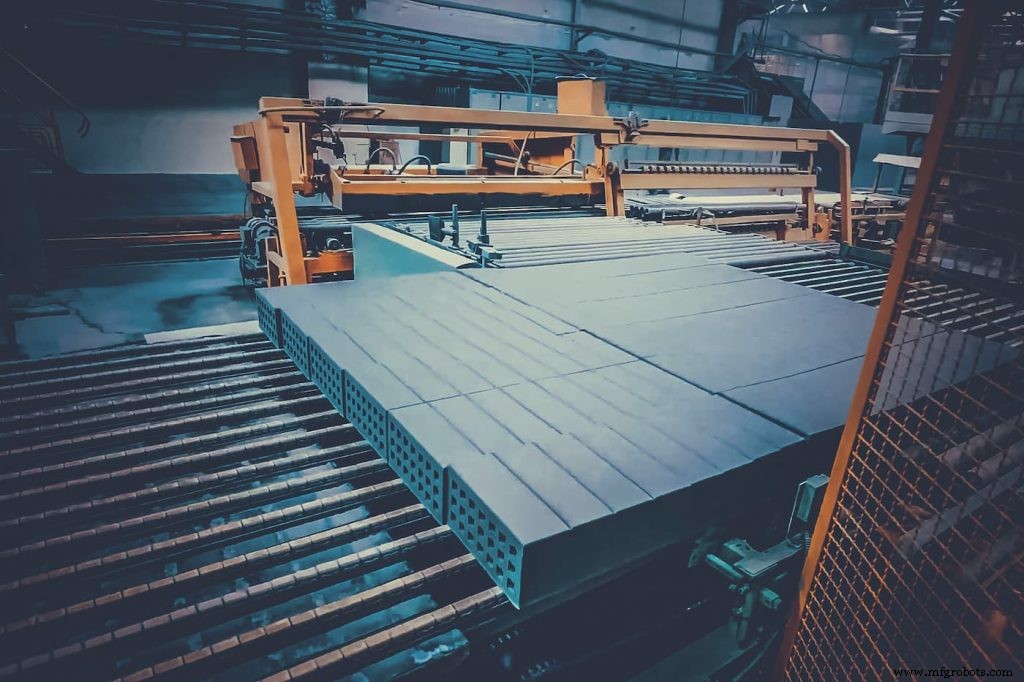
Regardless of location, ceramic plants follow a consistent process: transfer of abrasive, solid‑laden slurries and corrosives from atomisation to storage, and then to pressing rooms. The challenge for operators is to maximise flow rate and volumetric consistency while minimising air consumption and extending mean time between failure (MTBF).
The preparation of barbotine—the base material for tiles and sanitaryware—is critical. AODD pumps frequently move barbotine from atomisation to storage silos and then to the pressing area, requiring high flow rates for a hot, abrasive liquid. In tile production, the Engobe and Glazer application steps rely on pumps that deliver the greatest MTBF, while in sanitaryware manufacturing the moulds must be filled rapidly and smoothly to avoid air bubbles that create defects.
Most pumps in these applications feature 2‑inch and 3‑inch (51 mm and 76 mm) inlets and outlets, delivering high flow rates with low air consumption. Reliability and efficiency are paramount.
Historically, ceramic plants have relied on progressive‑cavity and peristaltic (hose) pumps. Both technologies have notable drawbacks: progressive‑cavity pumps struggle with highly abrasive fluids, leading to frequent maintenance and higher life‑cycle costs, while peristaltic pumps require oversizing and suffer from rapid hose wear, increased downtime, and the risk of leaks during operation.
AODD Pumps: The Solution
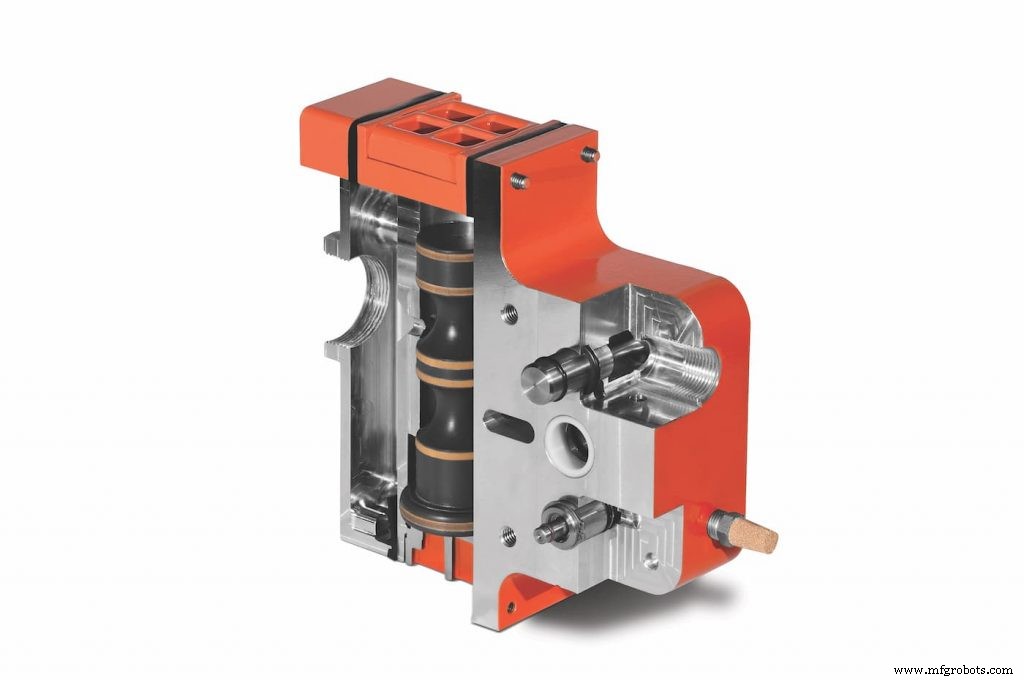
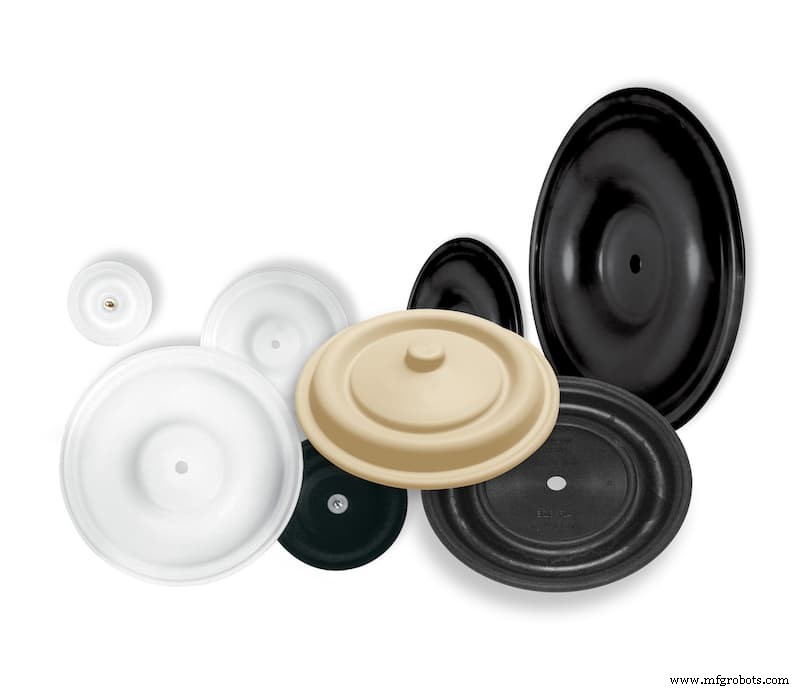
AODD pumps stand out because of their simple design—few moving parts—and seal‑less construction, which reduces leaks and maintenance. They are available in metal or plastic housings and a wide range of elastomer diaphragms, some of which eliminate abrasion concerns. Their low‑air‑pressure operation matches the demands of ceramic manufacturing.
Key benefits include:
- Wetted components resistant to abrasive, viscous, and solid‑laden liquids
- Seal‑less design that virtually eliminates leaks
- Air‑motor capable of dry, humid, or dirty environments
- Consistent startup pressures that protect pumps and piping
- Easy assembly and disassembly
- High energy efficiency
- Self‑priming, dry‑run, and high suction‑lift capabilities for quick starts
- Minimal maintenance and low replacement costs
- Simple automation—closing the discharge valve controls operation
Below is an overview of common AODD pump sizes and their applications in ceramic production, which may require pressures up to 125 psi (8.6 bar):
- Painting and enameling booth
- 1" (26 mm): Bolted‑metal configuration delivers up to 56 gpm (212 L/min), handling solids up to 1/4" (6.4 mm).
- 1‑1/2" (38 mm): Larger bolted‑metal pump reaches up to 135 gpm (510 L/min), handling solids up to 1/4" (6.4 mm) with an advanced liquid‑chamber design.
- Barbotine transfer
- 2" (51 mm): Bolted‑metal pump achieves up to 181 gpm (685 L/min), solids up to 1/4" (6.4 mm).
- 3" (76 mm): Larger inlet/outlet yields up to 271 gpm (1,026 L/min), solids up to 1/2" (12.7 mm).
AODD pumps also excel in ancillary applications such as washing sanitaryware moulds with corrosive chemicals, water treatment, and filter presses.
Advantages of AODD Pumps
Three core features underpin the popularity of AODD pumps in ceramics:
- Optimised internal flow paths that minimise liquid velocity and abrasive impact, maintaining laminar flow and extending equipment life.
- High‑efficiency Air Distribution Systems (ADS) that cut air consumption by up to 60%, a significant saving for plants that rely heavily on 3" pumps.
- State‑of‑the‑art diaphragm designs—including Integral Piston Diaphragms (IPD) and Quick‑Install diaphragms—that improve durability, reduce leakage, and accelerate changeovers.
IPD diaphragms eliminate outer‑piston leak points and reduce abrasion, making them ideal for high‑volume, abrasive applications. Quick‑Install diaphragms feature a unique convolute shape that eliminates the need to invert the diaphragm during installation, reducing downtime and injury risk.
Conclusion
Ceramics play a vital role in everyday life, and their rapid, reliable production is essential for consumer safety and satisfaction. AODD pumps—backed by advanced technology, proven reliability, and cost‑effective maintenance—offer a comprehensive solution that enhances efficiency, safety, and overall plant performance across all critical stages of ceramic manufacturing.
Industrial equipment
- Industry 4.0: Harnessing Cloud and Edge for Smart Manufacturing
- Three Key Factors for Selecting the Right Asset Tracking Solution
- Hire the Best Wheel Loader Operators: 4 Proven Tips for Success
- Maximize Your Marland Clutch: Top Applications for Durability & Versatility
- Choosing the Best Clutch Material for Maximum Friction and Longevity
- Three Essential Upgrades to Maximize Modern Overhead Crane Performance
- Expert Guide to Managing Medium‑Scale Corrosion Problems
- The Ultimate Guide to Waterproofing Wood: Safe & Reliable Methods
- Linde HPR Hydraulic Pumps: 5 Reasons They’re the Ideal Solution for Your Operations
- Choosing the Right Hydraulic Pump: A Comprehensive Guide to Types and Performance