



Virtual Solutions Center: How Robot Simulation Drives Seamless Integration
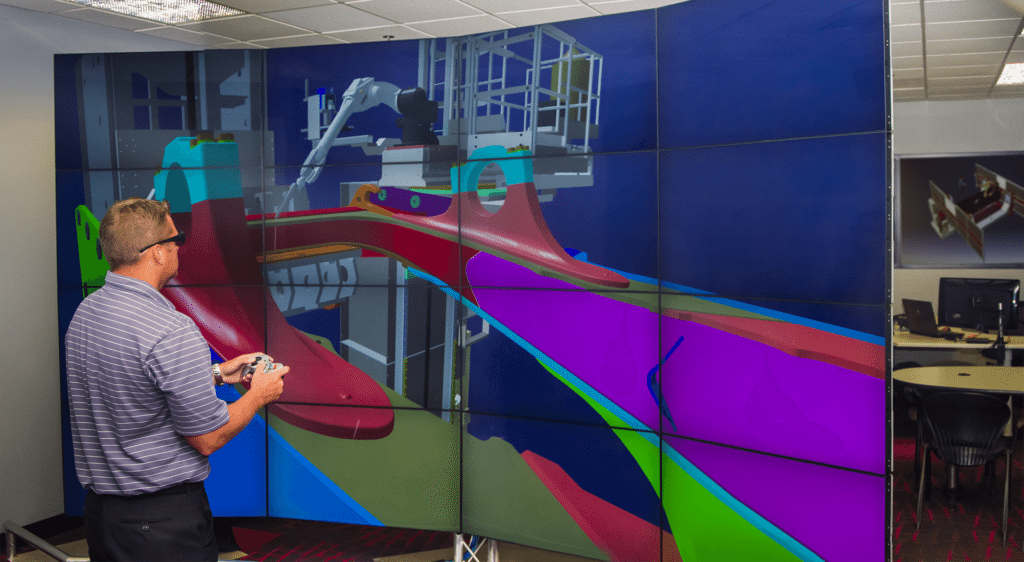
Virtual solutions for robot simulation have been around for a long time, but they weren’t always popular. Before the late 80s, when there weren’t many robots and each one was extremely expensive, robot simulation was common among research groups.
Then, in the 90s when robots became cheaper, research groups started testing and experimenting on real robots instead of virtual robots, and simulations fell out of favor quickly. In recent years, with the rapid advancement in computing power, the private sector has adopted robot simulation for a number of reasons.
This is an important development in robotic automation, which will be discussed in a moment, but first it’s worthwhile to understand how robot simulation works.
What Are Virtual Solutions Centers and How Do They Work?
Virtual Solutions Centers, as part of some robotic systems integrators services, strive to fully simulate a robotic system and its environment, including all possible process variables, to demonstrate proof of concept.
They replicate the real world application as closely as possible, and often times the robot’s programming can be taken directly from this simulation so that it’s ready to start working the minute it’s implemented.
Why Are Virtual Solutions Centers Important?
Virtual Solutions Centers are important in robotic integration for a number of reasons. First and foremost, because it provides proof of concept before anything is built, it ensures design flaws aren’t built into robotic systems and the expected productivity results are achieved.
Also, simulations help integrators build more and more efficient systems to tackle highly complex applications, testing out new technology in the safety of a virtual environment. This, along with higher investment in automation, as simulations bring down barriers to investment, can help spur innovation in the robotics field itself.
The use of Virtual Solutions Centers by robotics systems integrators is an important development in the robotics and automation industry. Manufacturers and integrators alike stand to benefit from the use of advanced simulation software.
To learn more about robot simulations and see real world examples, continue reading about Genesis’ Virtual Solutions Center.
Industrial robot
- How Robots Achieve Full Autonomy: From Sensing to Action
- How ERP Drives Efficiency in Manufacturing Operations
- How Advanced Robot Simulation Software Accelerates Integration & Cuts Costs for Manufacturers
- Leveraging Virtual Reality to Optimize Industrial Robot Design
- How Spend‑Management Solutions Empower Private Universities
- Leveraging IoT for Smart Water Management: Enhancing Efficiency and Sustainability
- Biz4intellia IoT Solutions: Boosting Business Efficiency and Productivity
- Choosing the Right Number of Axes for Your Robotic Positioner
- Optimizing Production: Seamless Integration of Dispensing Robots
- Ohio Northern University Enhances Robotics Center with KUKA Robotics Partnership