



How Robots Achieve Full Autonomy: From Sensing to Action
When most people picture fully autonomous robots, they imagine sci‑fi scenarios rather than the tangible benefits that self‑driving machines already deliver across manufacturing, logistics and healthcare. Rather than fearing the unknown, we should focus on how autonomous robots can streamline operations, reduce costs, and enhance safety in real‑world settings.
Yet the term “autonomy” is often misused, leading to inflated expectations. To truly reach full autonomy, a robot must satisfy four core criteria:
- Acquire reliable, real‑time data about its surroundings.
- Process that data into actionable knowledge.
- Plan a sequence of tasks that achieves its goal.
- Execute the plan with precision and speed.
Each criterion demands careful engineering and a clear understanding of the robot’s intended role.
Gaining Information About the Environment
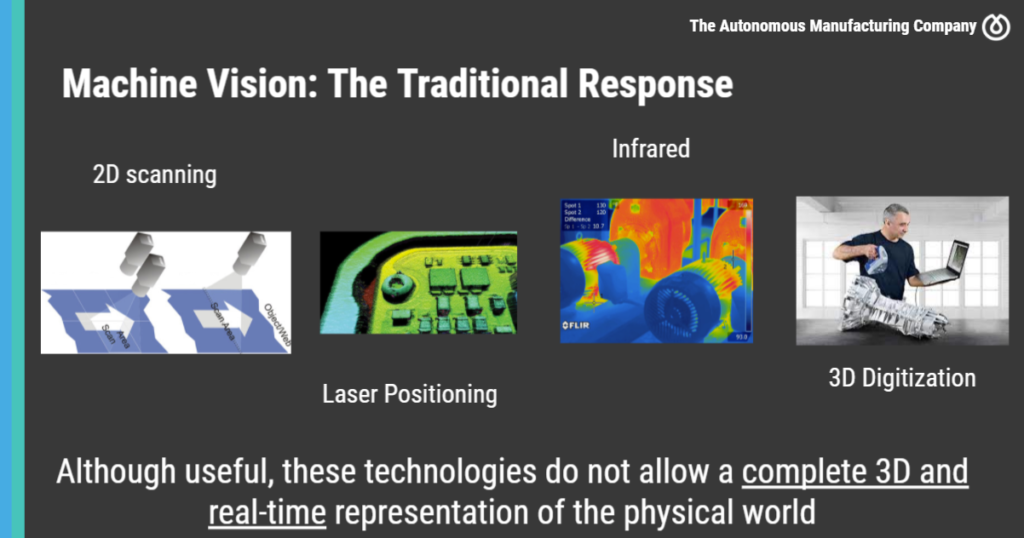
Robots are equipped with a spectrum of sensors—LiDAR, radar, sonar, tactile arrays, RGB‑D cameras, and more—to emulate the human senses. In industrial settings, these devices feed into IoT‑enabled PLC networks, allowing a robot to interpret the position and orientation of objects in its workspace. In healthcare or elder‑care, sensor data must be paired with strict privacy safeguards to protect patient information.
High‑speed wireless (5G) links are becoming essential for coordinating fleets of autonomous vehicles, enabling real‑time traffic updates and adaptive routing that improve safety and efficiency.
Processing the Information in a Structured Way
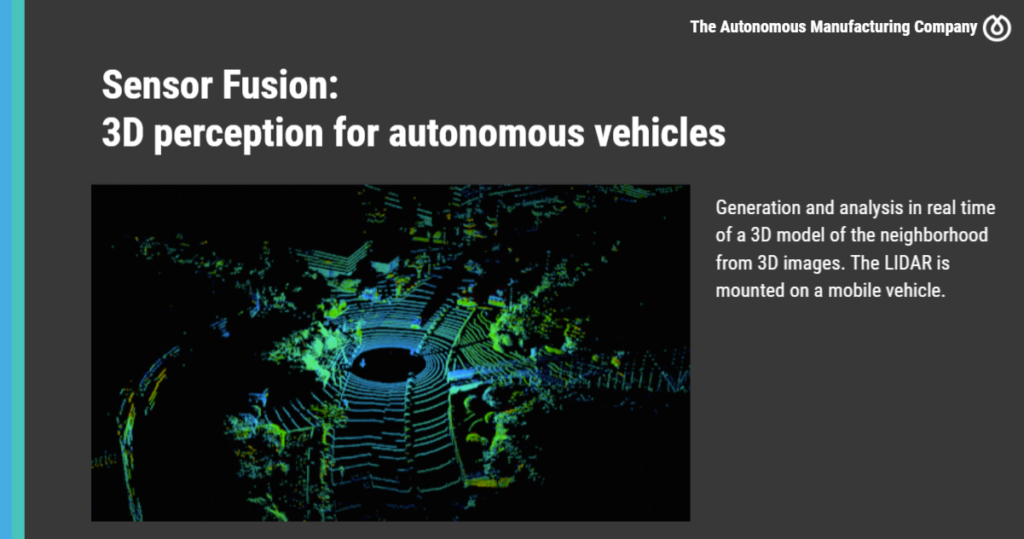
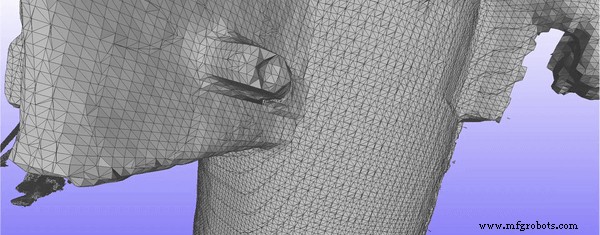
Raw sensor streams are transformed through sensor fusion and machine‑learning models into a coherent 3‑D map. This representation allows a robot to reason about its environment, detect obstacles, and predict dynamic changes. Successful autonomous systems rely on validated models that have been repeatedly tested in simulation before deployment.
Planning Actions from Data
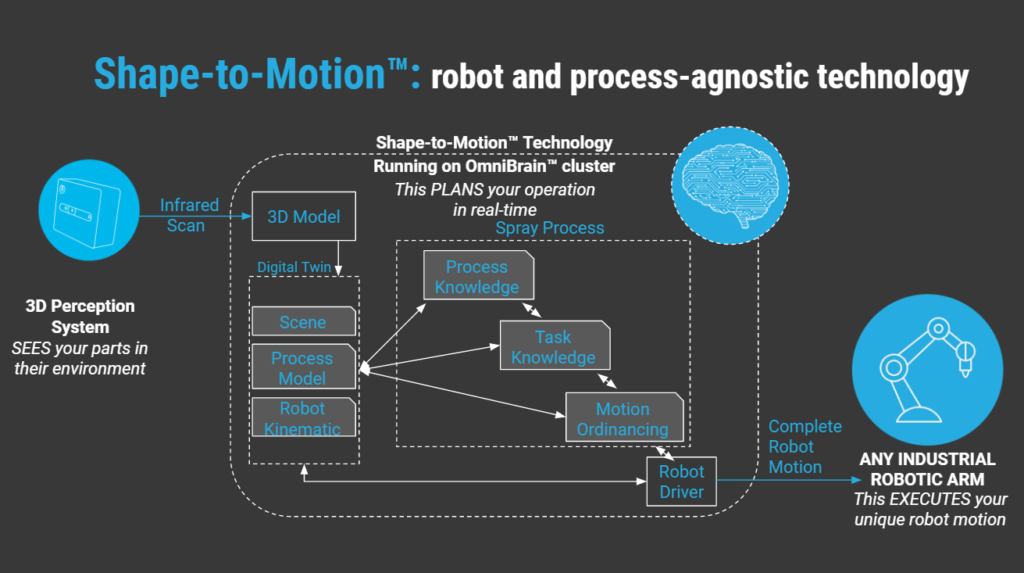
Once a robot understands its surroundings, it uses motion‑planning algorithms—such as RRT*, A*, or model‑predictive control—to generate a trajectory that meets its objective while respecting safety constraints. In industrial paint or welding, this means calculating optimal spray paths or weld seams that guarantee uniform coverage.
Fallback strategies are built into the plan so that if an unexpected obstacle appears, the robot can re‑plan on the fly, ensuring mission continuity.
Executing the Plan
Execution hinges on real‑time feedback and continuous optimization. Modern industrial robots already offer high repeatability, and adding perception layers transforms them from reactive to truly autonomous agents. Continuous monitoring of actuator performance, sensor drift, and environmental changes allows the system to maintain optimal operation without human intervention.
Future advances will focus on simplifying application development, expanding sensor suites, and enabling robots to perform tasks in increasingly complex, dynamic environments. Rather than threatening jobs, autonomous robots free humans to engage in higher‑value, creative work—particularly in roles that people find less routine or more hazardous.
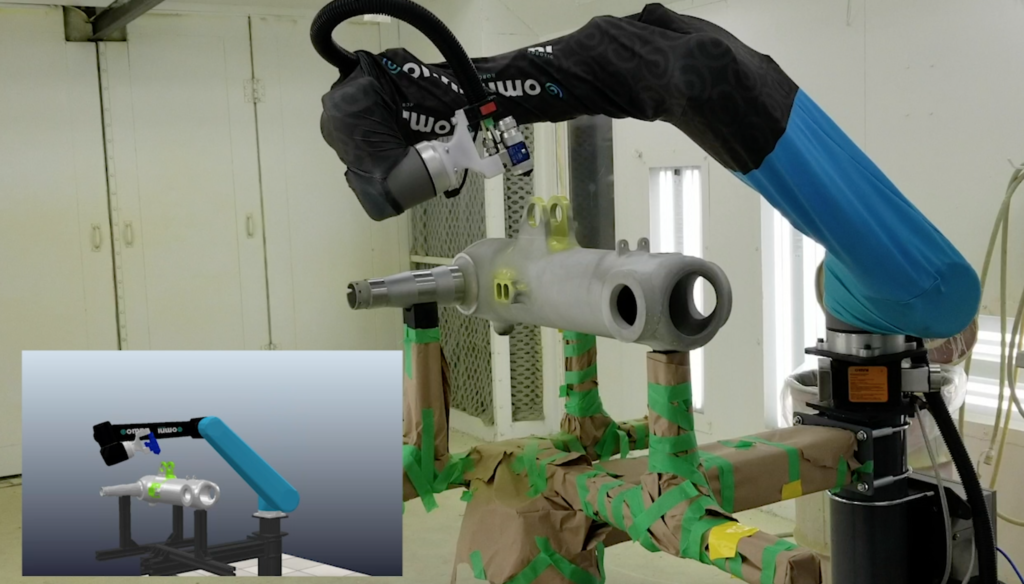
Omnirobotic provides Autonomous Robotics Technology for Spray Processes, allowing industrial robots to see parts, plan their own motion program and execute critical industrial coating and finishing processes. See what kind of payback you can get from it here, or learn more about how you can benefit from autonomous manufacturing systems.
Industrial robot
- Understanding the True Cost of Robotic Automation for Manufacturers
- Virtual Solutions Center: How Robot Simulation Drives Seamless Integration
- Materials Every Industrial Robot Needs – Complete Guide
- How Facebook Harnesses Automation to Reach Target Audiences Effectively
- How a 3D Pen Works: From Filament to Finished Model
- Build Your Own Raspberry Pi Robot: A Beginner‑Friendly Guide
- Deploying a Robot Drilling System: A Practical Guide for Success
- Choosing the Right Number of Axes for Your Robotic Positioner
- Essential Guide to Greasing Your Industrial Robot
- Robot Welding Accuracy: Reliability, Quality, and Cost Efficiency