



Robots Revolutionizing Home Chores: From Self‑Cleaning Litter Boxes to Smart Vacuums
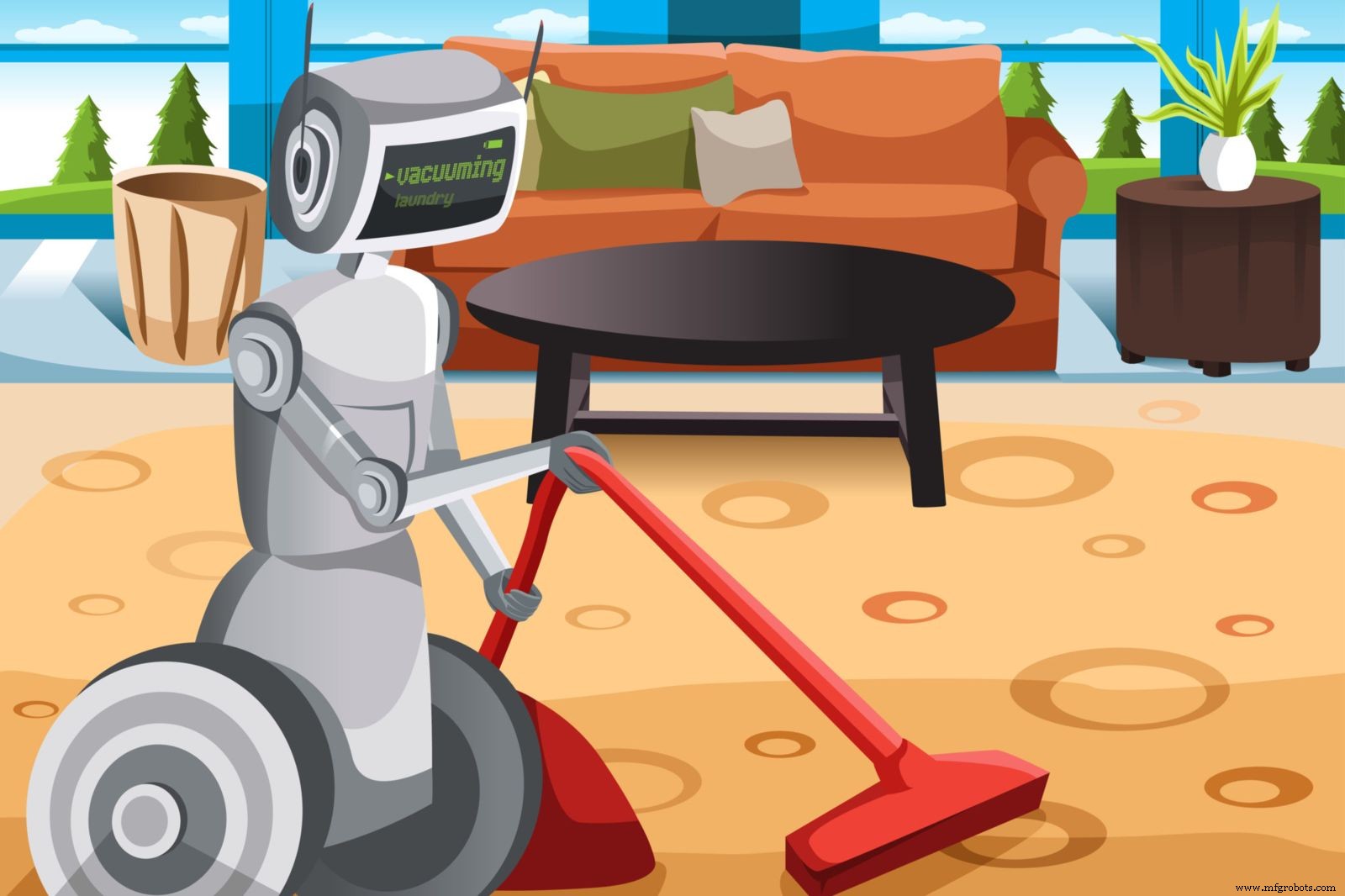
In the realm of automation, robots have long been celebrated for tackling hazardous or dirty tasks. For pet owners, the real challenge is maintaining a clean environment—robots now make that easier by handling chores like litter box upkeep.
Advances in machine vision, sensor fusion, and flexible robotics—once the backbone of industrial automation—are now finding homes in our living rooms, redefining how we approach everyday chores.
Self‑Cleaning Litter Solutions
After 15 years of user‑driven refinement, the Litter‑Robot Open Air delivers a truly autonomous litter box. The system automatically segregates waste from clean litter when a cat exits, and a dedicated drawer collects the waste for effortless disposal. Once the cycle completes, the unit self‑purifies, ready for the next use.
The compact device detects a cat’s presence through weight sensors, triggering a timed cleaning sequence once the animal leaves. Infrared emitters in the waste drawer continuously monitor fill levels; a flashing blue indicator on the control panel signals when the drawer requires emptying.
Self‑Propelled Household Helpers
Litter‑Robot was named one of the top five household robots in the 2017 feature “Household Robots That Will Do Annoying Chores For You.” While robots lack the dexterity to fold laundry, solutions like Swash’s dry‑cleaning mist provide a ten‑minute precision treatment, saving trips to the dry cleaner.
Other notable entries include iRobot’s Roomba 980, the Roomba’s latest vacuum iteration, and the Robomow RS 630 robotic lawn mower. Though these devices do not yet match the power of traditional gas mowers, they offer programmable, hands‑free operation. A 2016 Wall Street Journal article, “Does a Robotic Lawn Mower Really Cut It?” notes that mowers perform best with a few sessions per week, and cost in the $2,000 range for many models.
Self‑Sustaining Market Growth
Despite current limitations, the convenience of household robots fuels a steady rise in demand. Tractica projects annual shipments to grow from 6.6 million units in 2015 to 31.2 million in 2020—nearly 100 million units over five years.
As automation firms embed artificial intelligence, advanced sensors, and autonomous actuators, the “smart factory” of the future is already emerging. The same trend is reshaping our homes, automating chores that are mundane rather than perilous—folding clothes is poised to be the next frontier.
Manufacturers eyeing new markets and consumers eager to embrace automation can tap into a growing ecosystem of resources, including free training and articles on A3automate.org.
Industrial robot
- Industries Adopting Warehouse Robots: How Automation Drives Efficiency
- Essential Robot Types Every Manufacturer Should Know
- Six Robotics-Driven Industries on the Rise in 2021
- Robotic Safety: Proving Your Robots Operate Securely
- Who Crafts the Robots Powering Modern Industry
- Pick‑and‑Pack Robots: Boosting Efficiency in Food, Pharma & Automotive Industries
- Robots That Kill: How to Identify and Mitigate Industrial Robot Hazards
- ABB Cleanroom Robots: Powerful, Particle‑Free Automation for Pharma & Electronics
- KUKA Cutting Robots: Unmatched Versatility for Laser, Plasma, Water‑Jet, and More
- Dual-Arm Visual Servo Robots: Precision Manipulation with Integrated Vision