



Revolutionizing Manufacturing Health & Safety with Autonomous Robots
Skilled labor remains the most valuable asset on any production line. High productivity and minimal waste require not only expertise but also systems that empower employees to use their resources effectively.
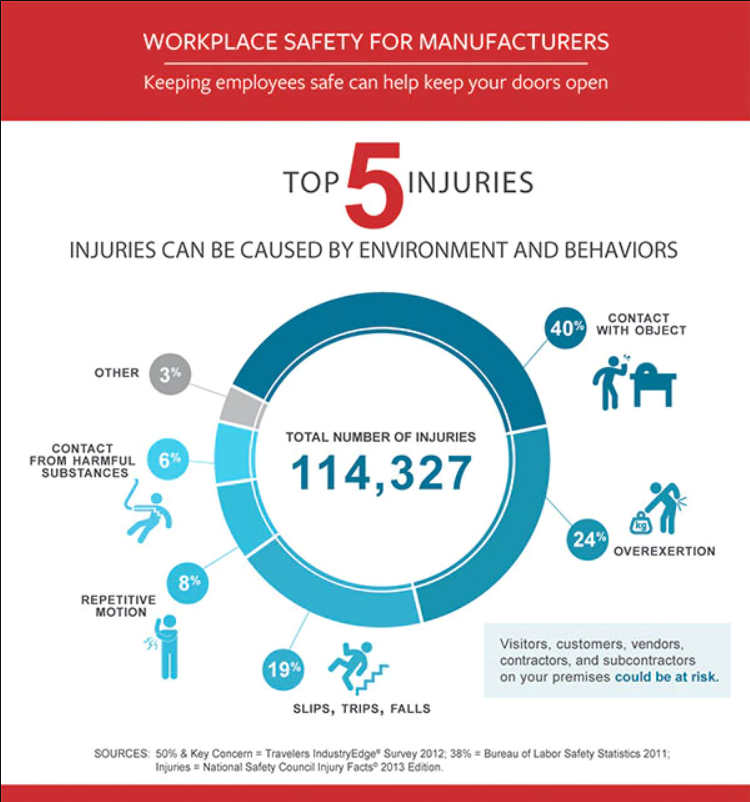
Even as manufacturers invest heavily in protecting every team member, accidents still occur, and the cost of health and safety initiatives is significant. A Canadian Institute for Work & Health study found that Ontario manufacturers spend over $1,500 per employee on safety programs. In the United States, injuries cost manufacturers nearly $8 billion in 2019, with almost half of those injuries being musculoskeletal.
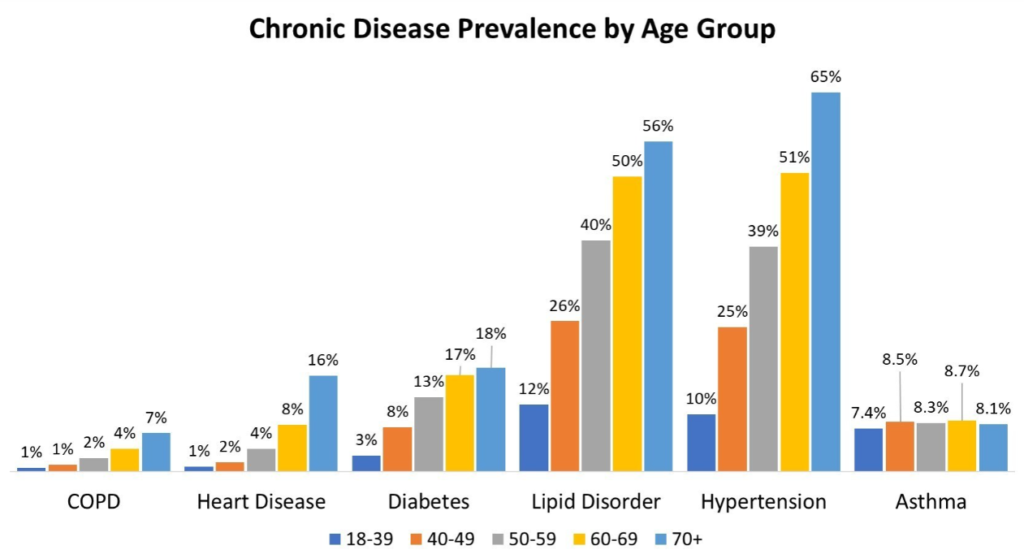
Acute injuries are just one risk. A British study revealed that nearly one‑third of manufacturing workers suffer from chronic conditions such as heart disease, hypertension, diabetes and asthma. These conditions raise the likelihood of acute injuries by 12–25 %. Stress and environmental hazards often contribute to both acute and chronic health issues.
To protect workforce health and maximize performance, manufacturers must understand the root causes of injury and illness and explore innovative solutions—such as autonomous robots—that can reshape work environments and enable employees to achieve more.
Common Causes of Acute Injuries
Typical workplace injuries stem from lifting, dehydration, fatigue, and slips or falls. Environmental factors—poor lighting, hazardous materials, or violent incidents—can also trigger accidents. Even in clean, well‑managed facilities, injuries persist, often because a holistic, team‑based approach to safety is missing.
Many plants adopt a “department‑by‑department” mindset, which can foster competition, blame, and a focus on output over well‑being. According to Reliable Plant, shifting from departmental silos to cross‑functional improvement teams that target quality, productivity, or total output can foster collaboration and reduce risk.
Chronic Health Risks in Manufacturing
Manufacturing has become safer and cleaner than it was a century ago, yet chronic illnesses—cardiovascular, respiratory, and mental—continue to affect workers. Lifestyle, genetics, and job‑related stress all play roles, and these conditions can increase the risk of acute workplace injuries.
High‑median age and lifestyle factors such as smoking or poor diet can exacerbate chronic conditions. Wellness programs that encourage healthier habits, provide social support, and address chronic stress can reduce both chronic and acute health incidents.
Wellness initiatives need not be all‑or‑nothing. Simple measures—stretch breaks, annual check‑ups, or inclusive family health activities—can yield significant benefits.
Reducing Ego Depletion with Autonomous Robots
Manufacturers are recognizing how environmental and social factors affect workforce productivity and safety. When human‑based interventions reach their limits, technical solutions can fundamentally improve workflows.
The concept of “ego depletion” explains why willpower wanes throughout the day, increasing fatigue and risk. Offloading repetitive, labor‑intensive tasks to autonomous robots preserves employee focus and reduces injury rates.
Autonomous robots, powered by 3D perception and AI, can work continuously on varied parts without programming changes. They also mitigate chronic risks by limiting worker exposure to heat, light, speed, airborne hazards, and repetitive strain.
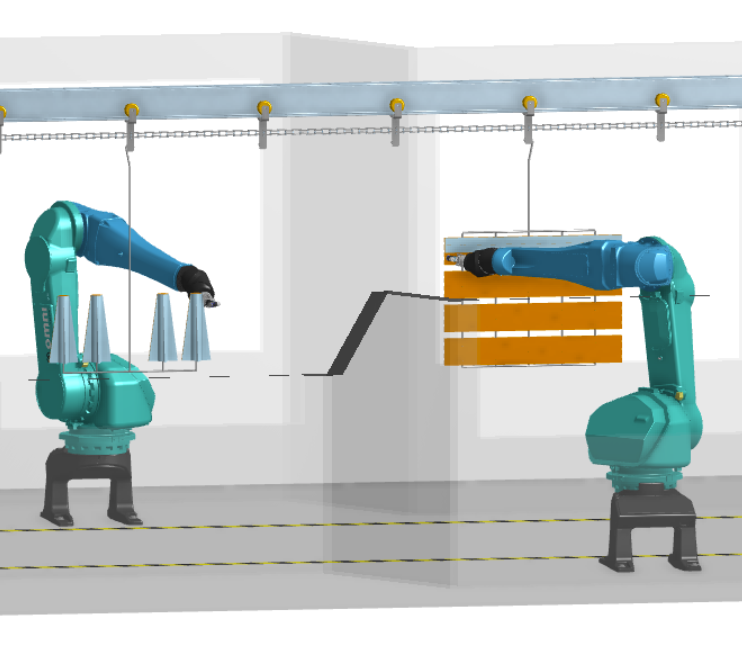
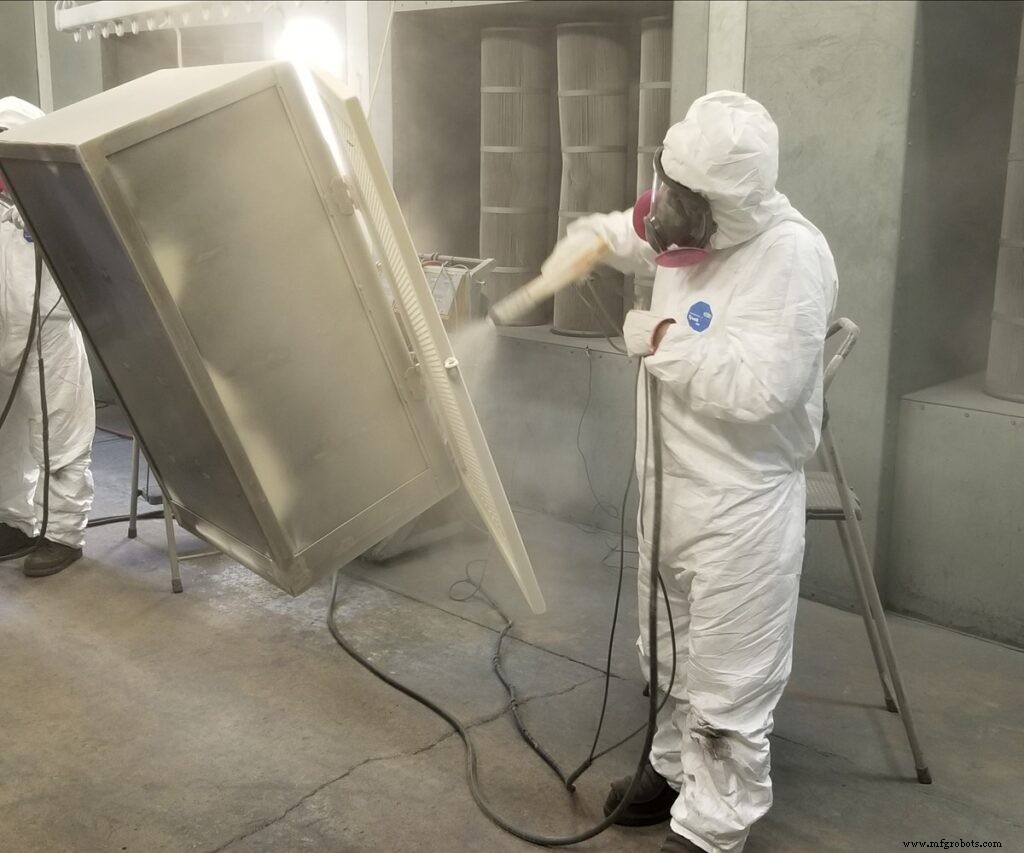
For example, powder coating poses respiratory risks that are hard to eliminate even with protective booths. Autonomous robots can perform the coating while workers remain in supervisory roles, thereby removing exposure entirely.
Beyond Injury Prevention: Enhancing Productivity
Omnirobotic’s Shape‑to‑Motion™ Technology turns existing industrial robots into autonomous agents through 3D perception and a real‑time motion‑planning software stack. The platform is process‑agnostic, supporting spray, coating, and non‑contact finishing, and can be expanded to other applications.
The system “sees” parts, plans a unique motion based on user preferences and process parameters, and executes it in real time—no additional programming required when parts change.
High‑mix, low‑volume plants—up to 80 % of manufacturers—face challenges with traditional automation. Autonomous robots break the cycle of part‑specific programming, enabling safe, efficient production even with frequent variation.
Omnirobotic provides Autonomous Robotics Technology for Spray Processes, allowing industrial robots to see parts, plan their own motion program and execute critical industrial coating and finishing processes. See what kind of payback you can get from it here, or learn more about how you can benefit from autonomous manufacturing systems.
Industrial robot
- Cutting Waste and Energy Costs with Autonomous Robots
- How Collaborative Robots Revolutionize Manufacturing Safety and Efficiency
- Revolutionizing Automotive Manufacturing: The ROI of Robotics
- Revolutionizing Electric Vehicle Production: How Robotics Boost Efficiency and Cut Costs
- Manufacturing Robots: Faster, More Accurate, Growing Rapidly
- Elevate Manufacturing Efficiency with Motoman Robots
- Revolutionizing Appliance Manufacturing: Robots Drive Speed, Quality, and Market Edge
- Enhance Safety & Efficiency with ABB Deburring Robots
- Elevating Safety Standards with Brazonics' Advanced Brazing Solutions in Hampton, NH
- ABB Grinding Robots: Boosting Safety, Precision, and Efficiency