



Bracing for a Skilled Labor Shortage: Strategic Actions for Manufacturers Through 2040
The next decade will shape the future of manufacturing across North America and the world. As the Baby Boomer generation retires and the post‑war birth surge has long since peaked, a stark skill gap is emerging. Older workers are leaving physically demanding, high‑skill roles, while young talent is not entering the pipeline fast enough to fill the void.
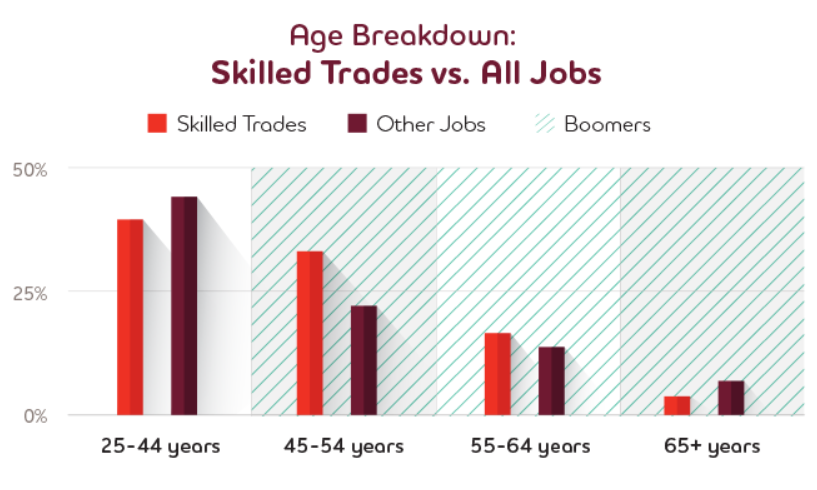
In machining, metalworking, and related sectors, the median worker age is 48 years—well above the national workforce median of 42.5. About 6.3 million manufacturers are between 45 and 64, whereas only 4.1 million are aged 20 to 34. Given that it takes roughly 20 years to develop an entry‑level skill set, the labor force will evolve slowly; in that same window, the supply of skilled labor could shrink by up to 20 % while demand continues to rise. The challenge is global, so moving capital or equipment abroad won’t solve it. The solution lies in smarter machines that elevate the productivity of the talent that remains.
Manufacturers can address the long‑term shortage with four proven strategies:
- Pinpoint the skills that will be in highest demand and invest in productivity‑boosting technologies.
- Attract and retain the best talent by equipping them with cutting‑edge tools.
- Empower the current workforce by boosting their output through advanced automation.
- Integrate autonomous machines to cover any residual skill gaps.
With these tools in hand, you’ll be ready to meet future demands.
Identify Key Skills Gaps and Form a Plan
Over 31 % of CNC machine operators, maintenance workers, stationary engineers, and machine setters are above 55. Critical roles—welding, piping, machining, and mechanical engineering—already face more than a million open positions in a 14 million‑strong workforce.
High‑mix manufacturers often deploy skilled workers on tasks below their expertise, limiting overall productivity. Small shops rarely have dedicated painters or coaters, while larger facilities struggle to maintain quality amid high turnover in finishing departments. Automation can bridge this gap, especially as mass‑customization gains traction even in precision steelmaking.
Understanding Where the Biggest “Optionality” Is
Investing in additional machines is valuable, but the most cost‑effective approach is to make those machines smarter. Flexible manufacturing systems—designed to adapt to changing customer needs without new capital—reduce the need for high skill levels as they evolve. Autonomous skilled robots exemplify this: they can perform value‑added spray processes without manual programming, allowing operators to focus on setting goals and fine‑tuning output.
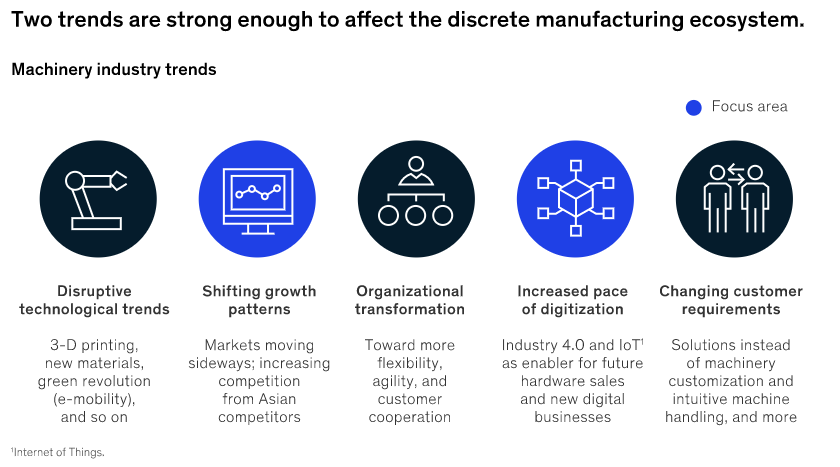
Autonomous robots not only fill skill gaps but also attract talent—workers are eager to engage with systems that feel intuitive and reduce physical strain.
Ramping Up Your Reputation as an Employer
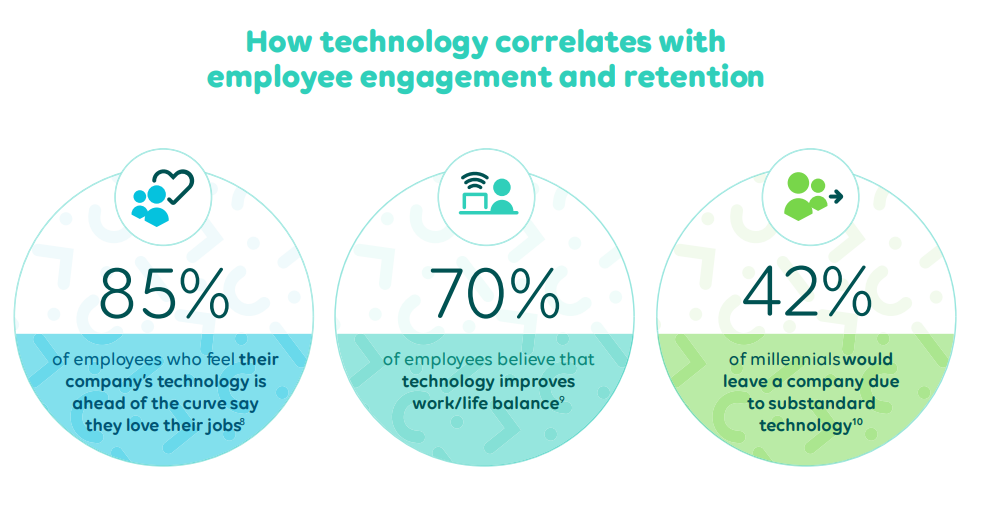
Today's younger workforce expects the same technology-first experience at work that they enjoy at home. Nearly 48 % of manufacturing employees want workplace technology that performs as well as their personal tech, and 30 % report that outdated tools hinder their productivity.
By offering advanced, flexible systems, you position your company as a forward‑looking employer—drawing both skilled labor and top engineering talent. The more high‑value technology you integrate, the easier it is to overcome the skilled labor shortage for years to come.
Bring Forward the Talent You Need to Succeed
We can’t predict the future with certainty, but the 20‑year cycle of workforce development remains consistent. Birth rates and immigration trends are unlikely to supply the labor needed to meet growing demand. Autonomous robots and flexible manufacturing systems can close this gap without the long‑term cash risk associated with other solutions.
Are you seeing risks spiral out of control? Struggling to keep up with retirements? Let us know your thoughts here.
Omnirobotic provides Autonomous Robotics Technology for Spray Processes, allowing industrial robots to see parts, plan their own motion program, and execute critical industrial coating and finishing processes. See what kind of payback you can get from it here, or learn more about how you can benefit from autonomous manufacturing systems.
Industrial robot
- Autonomous Robots: What They Can—and Cannot—Do
- The Decline of U.S. Manufacturing Labor: Causes, Consequences, and Future Solutions
- Upcoming MACT Regulation Changes: What Manufacturers Must Understand
- How to Revive North American Manufacturing: Sustainable, Smart, and Profitable
- Avoid a “Lost 2021”: How Manufacturers Can Beat Labor Shortages and Boost Productivity
- Bridging the 3D Printing Skills Gap: Insights from the 2024 AMUG Conference
- Maintaining Customer Connections: Manufacturers’ Strategies During COVID-19
- Blockchain for Manufacturers: Unlocking Transparency, Trust, and Efficiency
- Lean Innovation: How Manufacturers Can Learn from Tech’s Adoption of Lean Principles
- Midwest Manufacturers: Driving Innovation, Resilience, and Growth