



Avoid a “Lost 2021”: How Manufacturers Can Beat Labor Shortages and Boost Productivity
As Henry Ford once observed, “Time waste differs from material waste in that there can be no salvage.” In today’s manufacturing landscape, this reality has never been truer. The COVID‑19 pandemic forced firms to maintain normalcy, meet shifting demand, and navigate unprecedented economic and physical constraints. Yet, beneath the crisis lies a deeper, long‑term challenge: a looming labor shortage that will only deepen once the pandemic subsides.
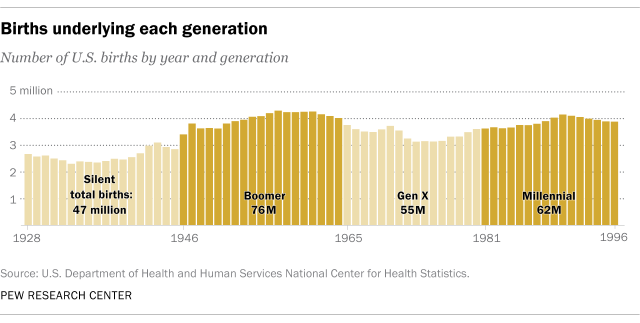
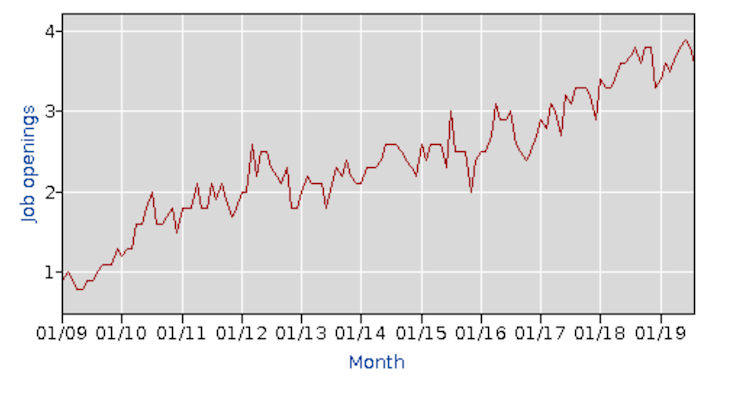
Just before COVID‑19 swept North America, the U.S. labor market was at an all‑time low for unemployment, while wages were climbing and skilled workers were becoming scarcer. Demographic shifts—particularly the retirement of baby boomers and a sustained decline in fertility rates—mean that the workforce will become smaller and more specialized. Unless manufacturers act now, 2021 may become another “lost year” of wasted opportunity.
What Is the Root of the Coming Labor Shortage?
The shortage’s origins extend far beyond the pandemic. In the early 1970s, global population growth peaked, energy prices spiked, and the baby boomers entered their prime consumer years. Today, we face a sharp decline in fertility, aging populations in both developed and many emerging markets, and record‑high old‑age dependency ratios. The result is a labor market that demands higher productivity and more specialized skills.
With fewer workers to replace retirees, skilled talent will gravitate toward the most attractive employers. This dynamic will increase turnover and require costly incentive programs for firms that fail to adapt.
Why Is the Skills Gap So Persistent?
Investment in the knowledge economy shifted many domestic manufacturing jobs overseas, while domestic focus moved toward STEM, arts, and high‑value automation. Vocational and career‑oriented training lagged, eroding the skilled workforce that once powered North America’s post‑war industrial boom.
Repairing this gap will require 20–30 years of sustained policy—time that most manufacturers do not have. The prudent response is to adopt solutions that augment labor capacity now and hedge against skills risk.
How Can Manufacturing Firms Adapt?
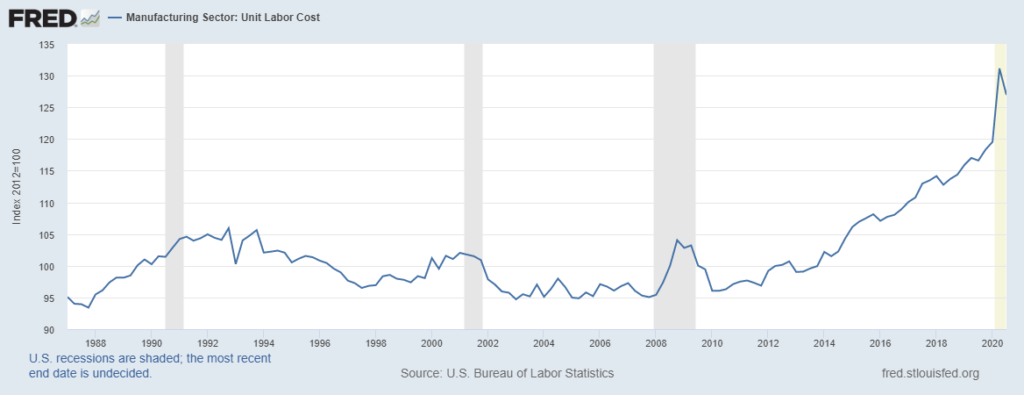
Automation is essential for overcoming a constrained skilled labor supply. Robots, advanced machinery, and data‑driven efficiency gains reduce waste, improve quality, and lower net total unit labor cost.
Manufacturers currently sit at the bottom of a labor and economic cycle. Identifying the most pressing bottlenecks—those that strained the previous cycle—enables timely investment in automation before demand spikes again, preserving profitability and productivity.
Why Is Flexible Manufacturing as Important Now as When Times Are Good?
Flexible manufacturing systems respond to shifting demand without incurring prohibitive incremental costs. Cobots, adaptable material handling, data‑driven decision making, and Industry 4.0 practices empower firms—large and small—to remain agile.
The pandemic has accelerated demand for durable goods as lifestyles change, and that trend is unlikely to reverse. By investing now in flexible solutions, manufacturers can avoid being locked into outdated product lines and instead optimize processes that serve a broader market.
Omnirobotic offers Autonomous Robotics Technology for spray processes, enabling industrial robots to visualize parts, autonomously plan motion, and execute coating and finishing tasks. Using 3D vision and AI in our Shape‑to‑Motion™ technology, high‑mix manufacturers can finally leverage robotics on complex parts without manual programming. See what kind of payback you can get from it here.
Industrial robot
- Bracing for a Skilled Labor Shortage: Strategic Actions for Manufacturers Through 2040
- How Early Automation Adoption Can Help Manufacturers Thrive in a Post‑COVID Economy
- Unlocking Innovation: How Small Manufacturers Benefit from Additive Manufacturing
- Boosting Sales for Private Label Manufacturers: Proven Strategies
- Launching Your Manufacturing Business into E‑Commerce: A Practical Guide
- Blockchain for Manufacturers: Unlocking Transparency, Trust, and Efficiency
- Enhancing Manufacturing Agility in a Post-Pandemic Economy
- Unlock Competitive Edge: How Manufacturers Harness Data for Strategic Advantage
- Prevent Rust on Machinery During Shipping: A Step-by-Step Guide
- Unlocking Manufacturing Efficiency: How 5G Transforms Production