



Launching Your Manufacturing Business into E‑Commerce: A Practical Guide
 A lot of manufacturers aren’t selling directly to end users either because they lack the capability, or because they don’t want to hurt the relationships they have with resellers. Brands who do not utilize E-Commerce are missing out on several benefits such as:
- An additional source of income
- The chance to increase sales
- A user-friendly way to display large quantities of products
- Shortened sales cycle (customers can buy exactly what they need or request to speak directly with the company for a custom order)
- Another way to stay ahead of the competition
In order to get started developing an E-Commerce site for your business, you’ll need to take the following components into account:
- Factors to Consider When Building Your Site
- Steps to Follow to Maintain Your E-Commerce Site
- How to Analyze and Improve Your E-Commerce Site
With the right E-Commerce platform in place, manufacturers can reduce order costs and increase accuracy while attracting a new segment of buyers for their products.
Factors to Consider When Building Your Site
1. Identify Your Audience
One of the biggest hurdles in running your E-Commerce store is to identify your audience and define your niche. Don’t overthink it, though. Just follow these steps:
- Thoroughly study the background of your current customer base
- Understand what motivates your existing customers to buy from you
- Identify the value customers see in your products
- Visit competitor’s websites to conduct a competitive analysis
- Determine what your margins and pricing will be
2. Select a Product
Now that you’ve built your store’s foundation, you need to identify which of your products to sell. Follow these tips to define your niche and select products that are valuable to your audience:
- Determine if you’re going to sell your entire product offering or only select items
- Create a list of products that currently generate the most revenue for your business
- Analyze the market for an opportunity gap
- Remain involved with industry news to stay ahead of trends and know what your audience is looking for
- Consider using E-Commerce as an affordable channel to launch new products without the initial investment associated with a traditional product launch
3. Build Your E-Commerce Store
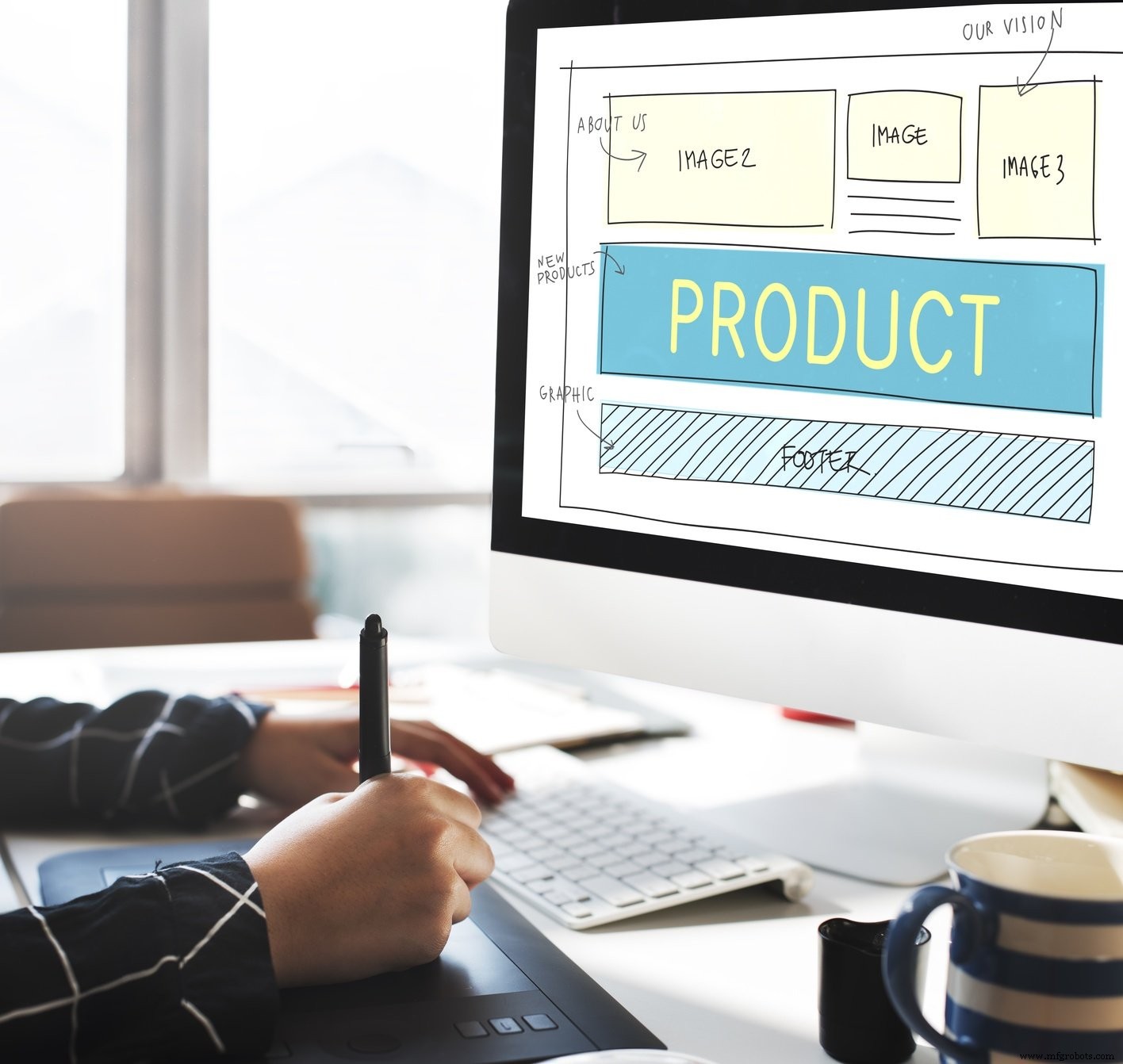 Now it is time to build your store. Some things you’ll need to consider are:
- The goals of your E-Commerce site
- Selecting an E-Commerce platform that fits these goals
- The store’s theme
- The store’s design
- Product photography
- Product descriptions
All these items come together to give customers a feel for your brand’s voice, which will help separate you from the competition. It’s a big undertaking, so be sure to give yourself plenty of time. Ferguson and Grainger are good examples of successful B2B E-Commerce stores.
4. Assign Someone to Manage Your Store
Once you have your E-Commerce store in place, you’ll need someone to run the day-to-day aspects so you can focus on the bigger picture. Here are a few things to keep in mind:
- Analyze current staff for the possibility of placing an existing employee in this new role
- Don’t hire too soon -- if you don’t have an appropriate resource then think about hiring
- Thoroughly interview everyone
- Be honest about the responsibilities and working conditions
- Create a detailed document of every aspect of the position
Steps to Follow to Maintain Your E-Commerce Site
1. Develop a Social Media Strategy
First things first, you’ll need to develop a social media strategy before you go any further. This is how you’ll bring a consistent flow of traffic to your online store and drive conversions. Here are a few key elements to get you started with social media:
- Choose which social media networks work best for your brand
- Register your store’s name and keep it consistent across different sites
- Build a following through regular updates and targeted posts
Remember that social networking requires a lot of time and energy, so only use the sites which really matter to your customer base.
2. Develop an Email Marketing Strategy
Next to social media, email marketing will be your most important communication channel. Here are a couple of things you need to consider before getting started:
- Choose a provider such as as MailChimp, Constant Contact, or Get Response
- Set up your campaign by creating templates, crafting a welcome email, preparing abandoned cart emails, upsell emails and finalizing your strategy.
3. Refresh and Update Products
Once you have developed an adequate customer base through email and social media, you should continuously update your store to keep your customers coming back. You can utilize features such as:
- New and updated products
- A “featured products” section
- Updated product descriptions
- Customer testimonials
- A “similar products” section
You can also update your store’s appearance from time to time so that it is a different experience for returning customers.
How to Analyze and Improve Your E-Commerce Site
1. Define KPIs
Identifying and tracking a set of key performance indicators (KPIs) will tell you whether or not things are on track. KPIs can be divided into two main categories: Sales and Marketing.
Some recommended sales KPIs include:
- Monthly sales
- Average order size
- Conversion rate
- Cart abandonment rate
Marketing KPIs may include:
- Ratio between new visitors and returning visitors
- Time on site
- Page views
- Referrals
- Subscriber rate
- Social media followers
There are many more KPIs that you can track. It just depends on which ones are important to your strategy and goals.
2. Set up an Analytics Campaign
Setting up an analytics campaign will give you important insight into how visitors to your site interact (e.g. what pages do they view, length of time on the site, are they a new or returning visitor, etc.). To get started with Google Analytics, you’ll need to:
- Create an account
- Connect your Google Analytics account to your store
- Activate E-Commerce Tracking
- Set up funnels and goals
- Select which keywords you want to track
via GIPHY
This is an essential part of running an E-Commerce site as you are essentially blind without any analytics on your customers.
3. Understand Customer Buying Habits
Buying habits change over time, so it is important to tailor your store to match these changes. Here are some things you can analyze to better understand your customers:
- What devices are people using to browse and make purchases?
- How do E-Commerce sales compare to sales via traditional channels?
- What’s the buying process look like for your online customers?
- Do they visit the site several times before completing a purchase?
- Which website pages do customers view during their buying process?
4. Track Success
After you finally launch your store, you’ll need to determine how successful it is and find ways to improve. Using your analytics campaign, you will be able to determine the following:
- How many people are visiting your online store?
- How often are they visiting?
- Where are they located?
- How did they find you?
You can then use this data to determine:
- What are your main traffic sources?
- What products do customers view?
- What products do customers buy?
- How E-Commerce is affecting your business as a whole?
Launching a successful E-Commerce store is not as intimidating as it may seem. Just don’t stress about getting everything perfect; you will need to refine your strategy as you go based on the real data you collect from user interactions on your E-Commerce store. This will allow your customers to easily purchase your product and increase your revenue: a win/win for both parties.
E-Commerce is just one of several manufacturing trends we suggest you take advantage of. To get an overview of these trends we recommend you further your reading by downloading our guide: The Top 5 Manufacturing Trends of 2016. Simply, click the button below to learn more.
Industrial Technology
- Getting Started with Python: Install, Run, and Write Your First Program
- Maintaining Customer Connections: Manufacturers’ Strategies During COVID-19
- Why Small Manufacturers Should Export: Key Benefits & a Practical Starter Guide
- Leveraging Data Mining & AI: Industrial Brands’ Blueprint to Thrive in E‑Commerce
- Master International Shipping: A Practical Guide for Retailers & Manufacturers
- Begin Your Industry 4.0 Journey: A Practical Guide
- Master Edge AI Inferencing: A Practical Guide to Actionable Insights
- Beginner’s Guide to Yaskawa Motoman Robot Programming: Boost Speed & Accuracy
- Beginner’s Guide: Setting Up RoboDK on Raspberry Pi
- Beginner's Guide to 3D Printing: Start with Confidence