



The Decline of U.S. Manufacturing Labor: Causes, Consequences, and Future Solutions
When we examine the North American manufacturing landscape, two key questions arise: why have jobs moved overseas, and what are the underlying economic forces at play?
Beyond the political debate, the real challenge lies in identifying sound economic strategies and understanding why certain demographics bear the brunt of this shift.
The decline of manufacturing in the United States is a multifaceted story. It is less about a deliberate “sell‑off” and more about the economy’s need to adapt to changing comparative advantages. The implications for the next generation—who may be less inclined to view manufacturing as a viable career—are profound.
The Shrinking Manufacturing Workforce
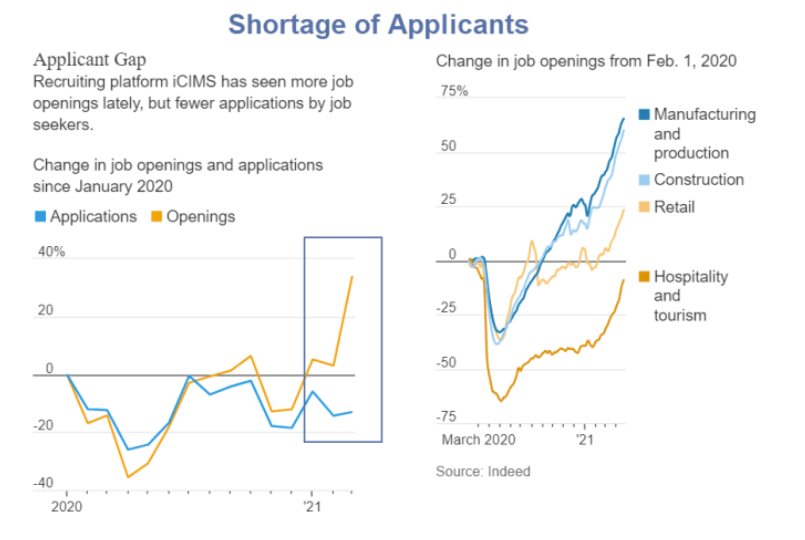
Factory jobs have fallen by one‑third since 2000. In 2020, 3 million baby boomers retired—double the number in 2019—creating a deep talent vacuum in key trades such as machining, welding, and frontline engineering.
Industries like machining and metalworking have a median age of 48+, far above the national workforce median of 42.5. Currently, about 6.3 million manufacturers are aged 45–64, while only 4.1 million are 20–34.
By 2030, the U.S. could face 2.1 million unfilled manufacturing positions, costing roughly $1 trillion in annual productivity. Manufacturers cite revenue growth (82%) and the ability to meet demand (81%) as top reasons for these gaps.
Warehouse and distribution roles increasingly compete for the same labor pool, even though entry‑level manufacturing pays an average of $15.55 per hour—double the federal minimum wage—and skilled roles command even higher wages.
Factors Driving the Labor Shortage
- The erosion of U.S. manufacturing’s post‑WWII comparative advantage.
- Rising labor costs and a growing preference for white‑collar jobs.
- Global economic integration replacing Cold‑War dynamics.
- Long‑term demographic shifts leading to skill shortages.
These macro trends shape the bottom line for businesses and workers alike. While we cannot reverse the macro forces, we can strategically adjust our approach.
Post‑WWII Advantage and Its Decline
After WWII, the U.S. controlled half of global wealth and most gold reserves, thanks to vast industrial capacity. Other nations—Germany, Japan, China—have since closed the gap by adopting similar industrial models, reducing U.S. dominance in many sectors.
Changing Job Appeal
While manufacturing offers tangible, hands‑on work, the allure of comfortable office roles—air‑conditioned, collaborative, and often better compensated—drives many away. The U.S. still offers these office roles in abundance, amplifying the shift.
Globalization and the China Factor
Integration into the global economy has kept U.S. manufacturers exposed to cheaper overseas labor. Balancing population growth and labor supply is now a strategic priority for sustaining competitiveness.
Demographic Transition
Between 1950 and 2010, global labor markets outpaced U.S. growth, making cheaper labor globally available. As global and U.S. population growth rates converge, the U.S. faces a tightening labor supply just as demand for manufacturing skills rises.

The sheer supply of labor overseas is something North American manufacturers simply could not have ignored. Now that global population growth is coming back into balance, considering new forms of productivity will become the priority.
Limits of Computerization
Since the 1970s, computing power has grown, yet the cost of resources, slower societal change, and demographic shifts have limited gains. True progress requires autonomous machines that can operate in the physical world without constant human oversight.
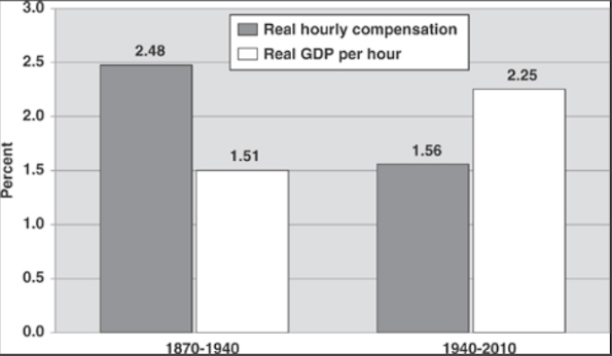
Automation has historically displaced tedious, low‑skill work while boosting wages and productivity. Recent advances in robotics and AI promise a new era of productive, high‑value manufacturing roles.
Stepping Into an Autonomous Manufacturing Future
Autonomous robotics—capable of tasks like coating and painting without extensive programming—can fill critical skill gaps. By automating the hardest parts of manufacturing, these robots free human workers to focus on higher‑value activities.
Omnirobotic’s autonomous spray‑process technology allows industrial robots to see parts, self‑plan motion, and execute finishing tasks. Discover the potential ROI and explore how autonomous manufacturing can benefit your operation.
Industrial robot
- What is VMC Machining? An Expert Overview of Vertical Machining Centers
- Strand Casting in Manufacturing: Process, Benefits, and Applications
- Press Joining: The Fast, Clean Sheet‑Metal Bonding Technique
- How to Revive North American Manufacturing: Sustainable, Smart, and Profitable
- Autonomous Manufacturing: Revolutionizing Production Efficiency and Workforce Empowerment
- Sustainability in Manufacturing – Part 2: Leveraging AI for Scalable Asset Performance
- Manufacturing Reimagined: The Rise of Servitization
- Smart Manufacturing Explained: Transforming Production with IoT
- Automated Manufacturing: How Computerized Control Transforms Production
- Microfabrication Explained: Small-Scale Manufacturing for Advanced Technologies