



What Is a General Purpose Technology? Insights and Future Impact
General‑purpose technology (GPT) refers to a technology or set of technologies that, once developed, unlocks broad, transformative benefits across multiple sectors of society. These innovations compound each other’s power, reshaping how we work, travel, and live.
Classical GPTs—such as the wheel, fire, and stone tools—illustrate the pattern: a simple principle that finds countless applications. While the core concept seldom receives a patent, the specific implementations that harness the underlying principle become lucrative businesses and widely beneficial for society.
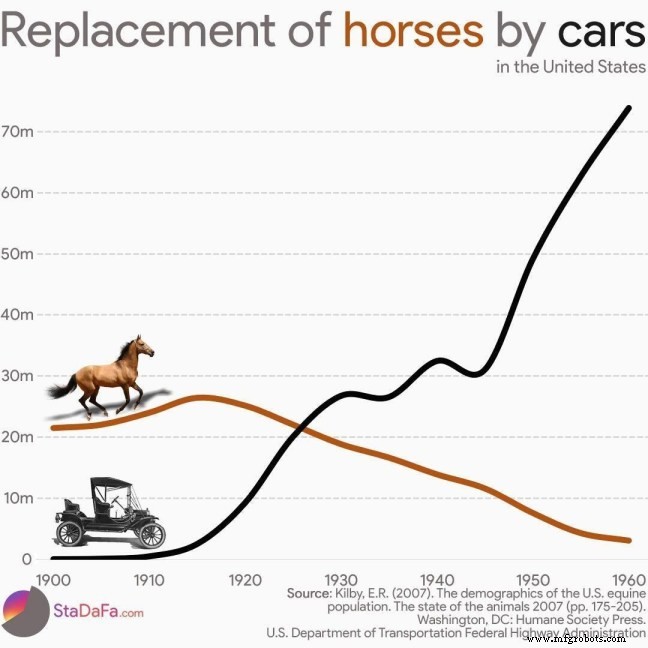
From the domestication of animals to railroads, the internal combustion engine, and now autonomous vehicles, each leap has redefined productivity and human experience. GPTs are notoriously hard to forecast because they alter the very foundations of daily life, demanding a complete rethink of systems and processes.
From Horse‑Drawn Carriage to Railroads
Historically, horses were indispensable in cities and long‑distance travel, consuming vast amounts of grain and producing significant waste that impacted public health. A single horse could sustain 25–35 miles per day, while early automobiles—powered by internal combustion—could achieve the same distance in just an hour.
The transition to rail and automotive transport eliminated the daily mileage ceiling, enabled rapid cross‑continental travel, and spurred the construction of global infrastructure networks. For example, Lewis & Clark’s 8,000‑mile expedition over two years was reduced to a 10‑day transcontinental railroad journey—illustrating the scale of GPT impact.
Autonomous Vehicles: The Next Leap
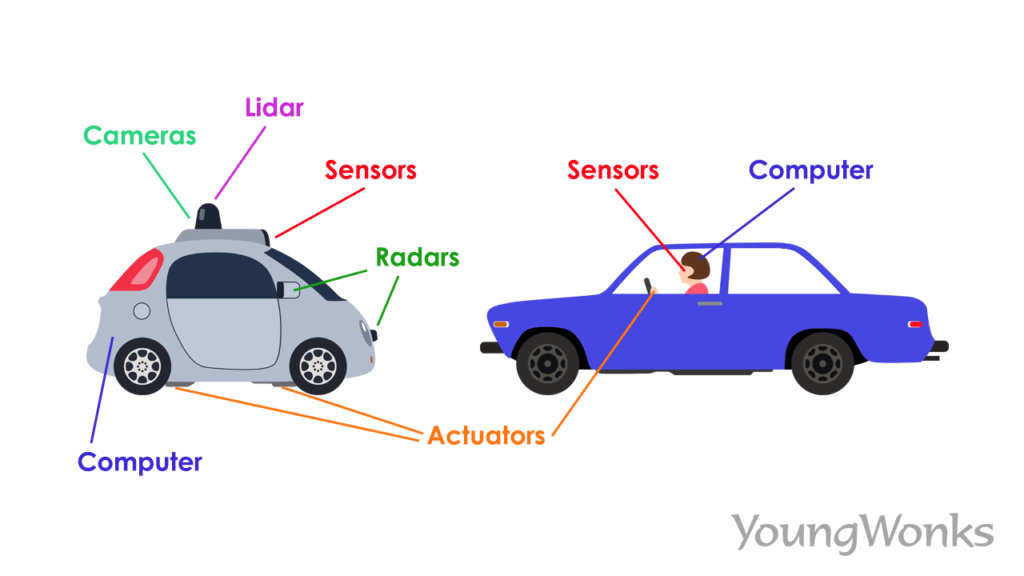
Today’s highways and cars can bring a driver across the United States in days, while air travel compresses the same distance into hours—albeit with safety and logistical constraints. Autonomous vehicles (AVs) extend this capability, allowing occupants to work, relax, or sleep while the vehicle drives itself, potentially at speeds exceeding 150 mph on high‑capacity routes.
AVs promise to transform daily commutes into productive, safe, and more enjoyable experiences, saving time, reducing driver fatigue, and opening new opportunities for remote work and entertainment.
Beyond Vehicles: Autonomous Manufacturing
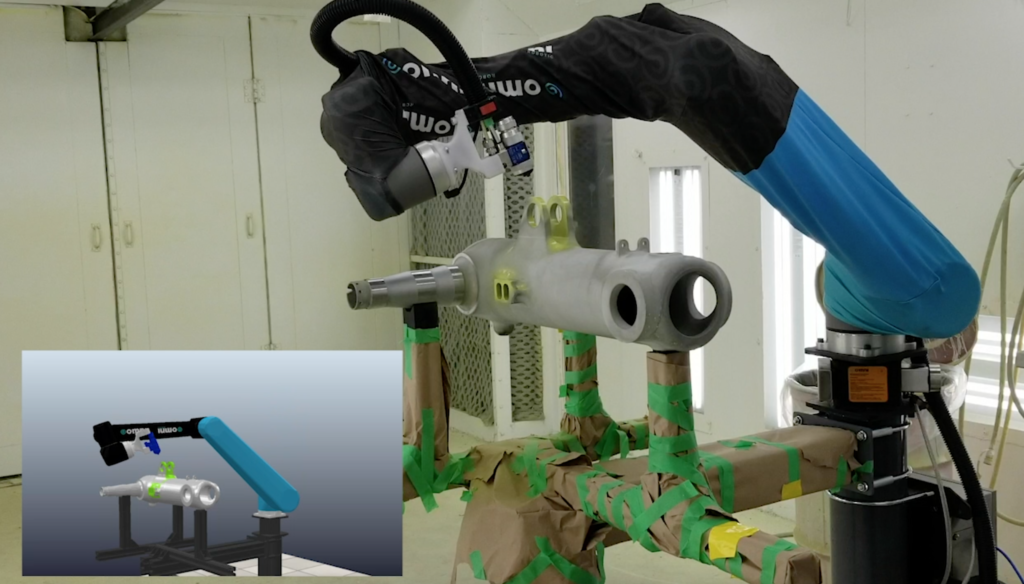
AI and machine vision power not only transport but also production. Autonomous manufacturing robots—especially those employing Omnirobotic’s Shape‑to‑Motion™ Technology—enable spray and finishing processes without manual programming or fixturing. This technology delivers high‑quality, repeatable results even in high‑mix, high‑variation environments.
By creating cleaner, safer, and more productive workplaces, autonomous manufacturing enhances productivity and improves worker quality of life in demanding industrial settings.
Omnirobotic provides Autonomous Robotics Technology for Spray Processes, allowing industrial robots to see parts, plan their own motion program, and execute critical industrial coating and finishing processes. See what kind of payback you can get from it here, or learn more about how you can benefit from autonomous manufacturing systems.
Industrial robot
- Industrial Automation: How Smart Control Systems Transform Manufacturing
- LTE‑M (Cat‑M1): The Future of Low‑Power 4G IoT Connectivity
- Fuzzy Logic Explained: How AI Handles Uncertainty
- Motorola DS4208 Handheld 2D Imager Review – Lightning‑Fast, High‑Quality Scanning
- Understanding FDM 3D Printing: A Complete Guide
- Agricultural Technology: Tools, Machinery, and Innovations Shaping Modern Farming
- Precision Machining Technology: Achieving Unmatched Accuracy in Complex Components
- Exploring the 7 Core Types of Technology
- Motoman Robotics: Advanced Industrial Automation Solutions
- KUKA Robotics: 100+ Years of Safe, Advanced Automation