



LTE‑M (Cat‑M1): The Future of Low‑Power 4G IoT Connectivity
LTE‑M is the industry shorthand for LTE Category M1, a 4G technology designed specifically for Internet‑of‑Things (IoT) devices that need to connect directly to a cellular network without a gateway and operate on long‑lasting batteries.
Bottom Line on LTE‑M
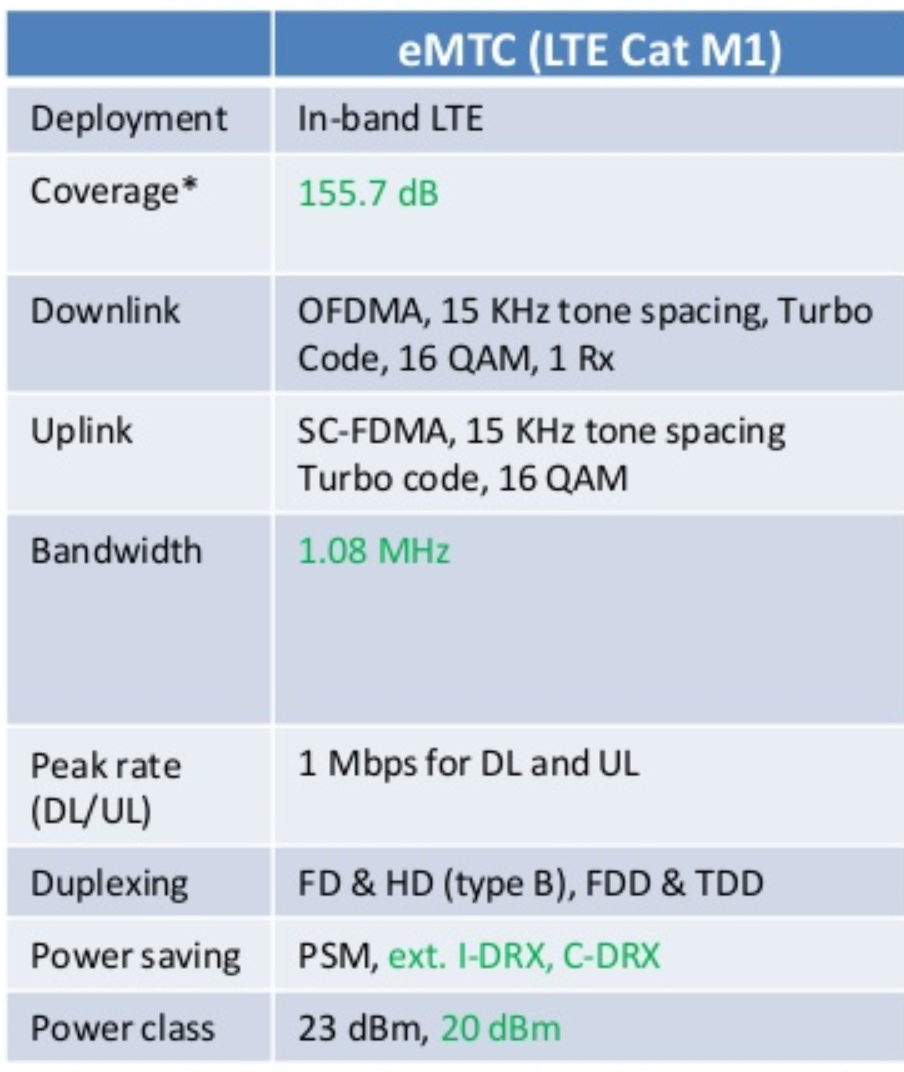
- Cost‑Effective Hardware – LTE‑M chips are half‑duplex and use a narrower bandwidth than full‑duplex LTE, reducing silicon cost and enabling cheaper device designs.
- Extended Battery Life – Devices can enter a “deep sleep” Power Savings Mode (PSM) and wake only when necessary via extended discontinuous reception (eDRX). Read more on eDRX and PSM.
- Lower Service Fees – With a peak data rate of ~100 kbit/s, LTE‑M devices impose minimal load on carrier networks, allowing carriers to offer plans that rival legacy 2G M2M pricing.
3GPP‑Standardised for IoT
LTE‑Cat‑M1 is one of the two 3GPP solutions that emerged to meet the growing demand for dedicated IoT connectivity. The other is Narrowband IoT (NB‑IoT), which employs a single‑carrier FDMA scheme to drive down cost even further. 3GPP Release 13 defined the design goals for LTE‑M, including:
- 10‑year battery life on a 5 Wh battery.
- Device cost comparable to legacy GPRS‑based IoT modules.
- Extended coverage (> 156 dB MCL).
- Variable data rates to improve coverage.
While the technology is now mature, some features such as coordinated PSM and eDRX still require alignment among infrastructure providers, chipset makers, and network operators. In the United States, Verizon is leading an aggressive rollout schedule, with a nationwide LTE‑M1 network expected in early 2017.
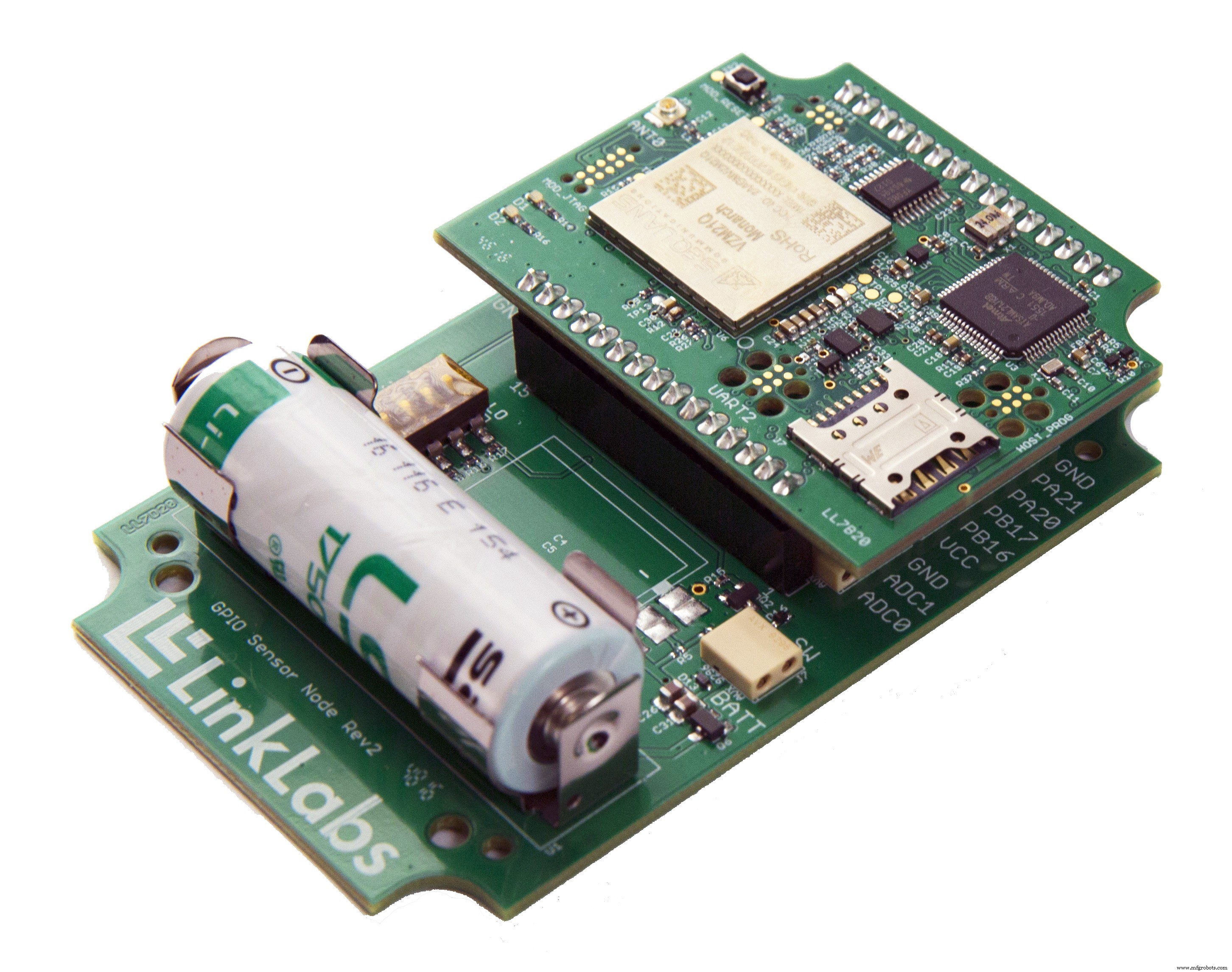
Link Labs, a Verizon partner, has already launched its Sensor Suite, a plug‑and‑play solution that enables sensor devices to connect directly to LTE‑M.
Ideal Use Cases for LTE‑M
- Low‑Density Sensors – For OEMs and enterprises that rely on sensors (e.g., cold‑chain monitoring), LTE‑M eliminates the need for Wi‑Fi or gateway infrastructure, delivering “plug‑and‑play” operation and long‑lasting batteries.
- Automated Meter Reading – The reduced hardware cost of LTE‑M is finally making cellular‑based AMR viable, and more utility meters are expected to adopt LTE‑M connectivity.
- Asset Tracking – Hybrid solutions that combine short‑range connectivity (Bluetooth, etc.) with LTE‑M backhaul can achieve high precision and reliable coverage; technologies such as AirFinder illustrate this approach.
Key Considerations When Building LTE‑M Devices
- Simplified Protocol Stack – Battery‑powered LTE‑M devices typically use lightweight UDP/TCP payloads rather than full PPP. This requires careful embedded development but can be streamlined with the right firmware support.
- Security vs. Power – Robust security (e.g., MQTT over TLS) is essential, yet heavy operating systems struggle on constrained MCUs. Design must balance cryptographic needs with power budgets.
- Pulse Current Management – LTE‑M modules can draw up to 23 dBm (≈500 mA) peak current. Planning for super‑caps or appropriately sized batteries is critical to avoid brown‑outs.
Let Link Labs Accelerate Your LTE‑M Project
Whether you’re prototyping or preparing a full‑scale product, our expertise in LTE‑Cat‑M1 enables you to launch a compliant, battery‑efficient IoT device faster. Contact us to learn how Link Labs can help bring your vision to market.

Internet of Things Technology
- What Is a General Purpose Technology? Insights and Future Impact
- Understanding the Oxygen (O2) Sensor: Role, Placement, and Failure Signs
- Understanding AS9100: The Aerospace Quality Management Standard
- What Is A2 Steel? A Versatile, Cost‑Effective Tool‑Steel Grade for Industrial and Woodworking Applications
- Understanding Metal Casting: Process, Benefits, and Applications
- Understanding FDM 3D Printing: A Complete Guide
- Demystifying 3D Printing: A Clear Guide for Innovators
- Agricultural Technology: Tools, Machinery, and Innovations Shaping Modern Farming
- Precision Machining Technology: Achieving Unmatched Accuracy in Complex Components
- Exploring the 7 Core Types of Technology