



Agricultural Technology: Tools, Machinery, and Innovations Shaping Modern Farming
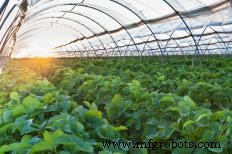
Agricultural technology is the tools and machinery that are used primarily or entirely in order to support agricultural enterprise. Examples include plows, threshers, and irrigation systems. These forms of technology, which are all regularly used in modern agricultural settings, have a long history in farming and have been reinvented and redesigned many times over. Plows, for example, were originally pulled by animals but now are usually powered by engines. For people who are interested in the history of agricultural technology, there are a number of museums that have preserved old or outdated pieces of machinery and have staff on hand to explain how they worked and why they have been replaced.
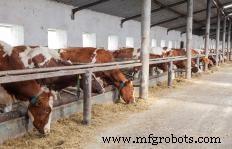
In the course of agricultural history, there have been improvements to technology that have greatly changed the ways in which certain types of crops were grown or harvested. The cotton gin is a good example of this. Before Eli Whitney invented the modern cotton gin in the late 18th century, cotton fibers were separated from cotton seeds either by hand or by using much more antiquated technology. Because of the effectiveness of the cotton gin, the production of cotton in the United States soared after this new piece of technology became available.
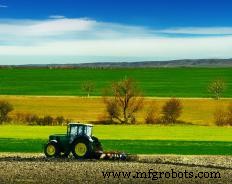
There are different types of agricultural technology for different kinds of farms. For example, the machinery required to successfully run a large-scale dairy farm is much different than that required to run a small winery. There are regular innovations, alterations, and improvements to the technology that is available to farmers. In some cases, the changes just slightly alter or improve farming techniques, but in others, such as with the cotton gin, it can entirely change a certain aspect of agriculture.
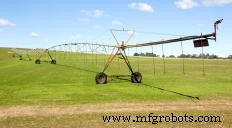
As progress marches on, there are more and more changes to agricultural technology. The technology that is available is regularly being altered so that it can be more precise in its functions and can perform more complex functions. For example, some people in the field of agriculture believe that, in the not- too-distant future, many agricultural machines that are currently manned or driven by humans will be able to operate on their own. In the future, there may be agricultural robots that do a great deal of the work that, a century or so ago, was done by people.
Industrial equipment
- What Is a General Purpose Technology? Insights and Future Impact
- Understanding the Oxygen (O2) Sensor: Role, Placement, and Failure Signs
- LTE‑M (Cat‑M1): The Future of Low‑Power 4G IoT Connectivity
- Understanding AS9100: The Aerospace Quality Management Standard
- What Is A2 Steel? A Versatile, Cost‑Effective Tool‑Steel Grade for Industrial and Woodworking Applications
- Understanding FDM 3D Printing: A Complete Guide
- Exploring the Full Spectrum of Agricultural Services: From Livestock Care to Pest Control
- Precision Machining Technology: Achieving Unmatched Accuracy in Complex Components
- Exploring the 7 Core Types of Technology
- Decoding 'N' in Pump Calculations: Its Role and Significance