



Who Gains Most from Autonomous Robotics?
Autonomous robots are poised to become the next wave of General Purpose Technologies—systems that can be leveraged across multiple industries to boost global economic output. Their versatility promises transformative productivity gains, yet no single company or inventor is likely to monopolize the market. Instead, industry-specific adaptations of core autonomy principles will drive the greatest impact within each sector.
Who truly benefits, and who stands to gain the most? This article explores the landscape of advantage in the era of autonomous robotics.
Shareholders & Investors
Early investors typically reap the highest rewards when breakthrough technologies emerge. However, the venture landscape is inherently risky: three‑quarters of VC deals fail to return the initial capital, and 25–30% of venture‑backed firms ultimately close. In robotics, this volatility is amplified by the difficulty of deploying robots across diverse environments. Although autonomous systems promise greater scalability, real‑world constraints—such as unpredictable city streets—can delay full independence, keeping investors on the sidelines.
Managers
Imagine a future where autonomous robots are commonplace. Managers would see several tangible benefits:
- Task‑specific autonomy guarantees consistent quality and adherence to prescribed procedures.
- Data‑driven dashboards provide real‑time insights into performance, failures, and improvement opportunities—freeing managers from micromanagement.
- Specialized robots—whether they assist delivery teams or execute factory routines—allow managers to focus on coaching employees, fostering skill development, and driving productivity.
As autonomous applications mature, the risk of non‑adoption will surpass the risk of adoption. Managers will evolve into “Robot Wranglers,” overseeing a blend of human and robotic talent to maintain competitive advantage.
Engineers
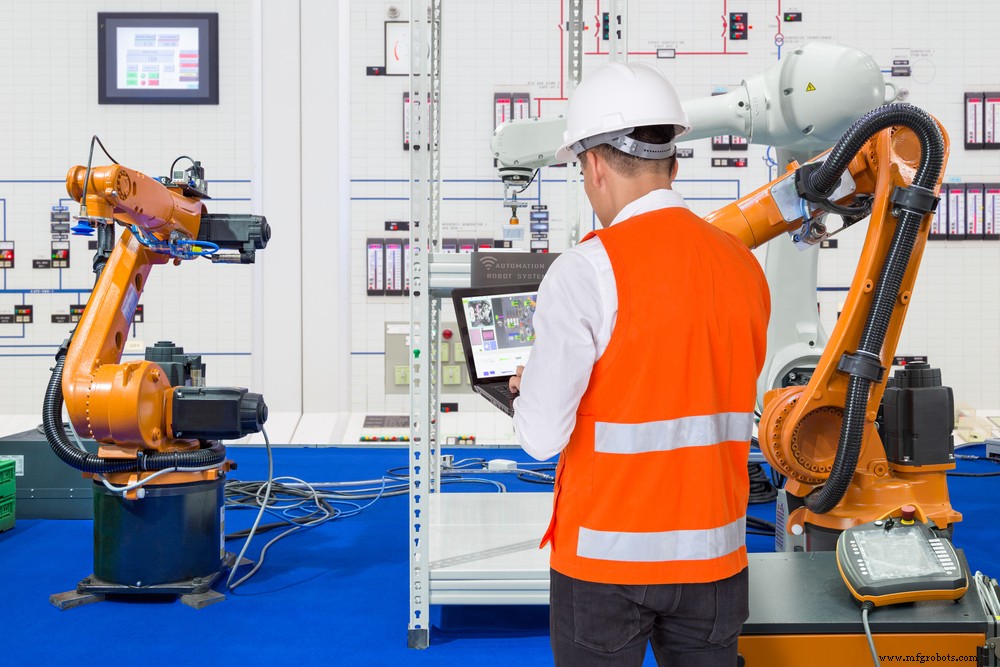
For engineers, autonomous robots present both formidable challenges and exciting opportunities. Key focus areas include:
Mobility: Designing roads and traffic systems that support both human and fully autonomous vehicles requires new safety, signaling, and flow optimization strategies. In the long term, dedicated autonomous corridors could eliminate many traditional traffic controls, simplifying navigation and reducing congestion.
Manufacturing: Conventional robotic solutions excel in high‑repeat, high‑margin contexts. Autonomous manufacturing robots can relax the need for fixed fixtures and rigid production lines, responding dynamically to demand fluctuations and enabling greater flexibility and throughput.
Public Spaces: In healthcare, education, and eldercare, autonomous mobile units can streamline logistics—delivering medicine, moving equipment, and maintaining sanitation—while reducing human exposure during infectious outbreaks.
Ultimately, autonomous robotics will not favor engineers alone; they will compel engineers across disciplines to rethink design, integration, and human‑robot collaboration.
Workers
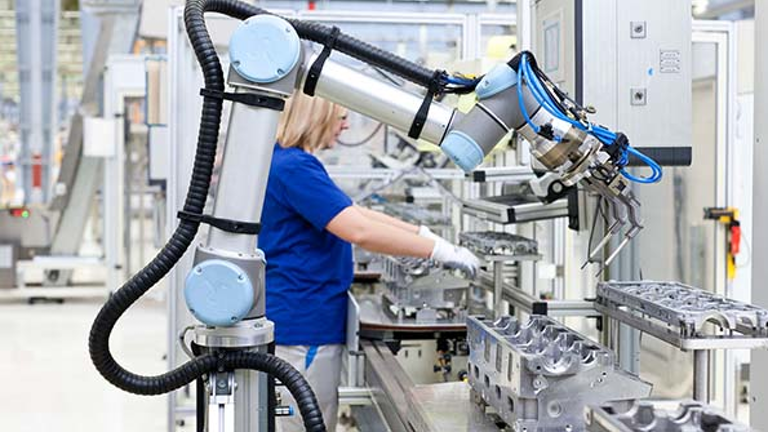
Robot‑driven automation has historically increased manufacturing productivity and freed workers for higher‑value tasks. Today’s challenge is twofold: do workers possess the skills to thrive, and do they have the tools to be productive? Autonomous robots that handle highly specialized, low‑skill tasks can liberate workers to pursue more versatile, higher‑pay roles.
By reducing reliance on repetitive labor, automation can elevate wages and broaden employment opportunities. Government incentives and corporate subsidies that promote automation could unlock a profitable synergy—enhancing productivity while raising workers’ living standards.
Who Benefits Most Is Hard to Say
Technology inevitably disrupts existing roles, yet it also creates new opportunities for growth. The shift from manual laundry to washing machines, or from elevator operators to automated systems, illustrates how societal progress often involves displacement but also improvement.
While certain professions may decline, others—especially those that adapt to autonomous capabilities—will flourish. Society must manage these transitions proactively, ensuring that the benefits of automation are distributed fairly.
Omnirobotic offers Autonomous Robotics Technology for Spray Processes, enabling industrial robots to perceive parts, autonomously plan motion, and execute critical coating and finishing tasks. See what kind of payback you can get from it here, or learn more about how you can benefit from autonomous manufacturing systems.
Industrial robot
- Autonomous Robots: What They Can—and Cannot—Do
- Articulated Robots: The Ultimate Guide to the Industry’s Most Versatile Industrial Machines
- Cartesian Robots: The Scalable Solution for Advanced Automation
- Who Crafts the Robots Powering Modern Industry
- Top Benefits of Fanuc Industrial Robots for Manufacturing Efficiency
- Japan's Pioneering Journey into Robotics
- Unlocking the Power of Robotics: Key Benefits for Modern Industries
- Key Facts About Industrial Robots: From Unimate to Modern Applications
- Why Switching to Robotic MIG Welding Enhances Precision, Efficiency, and Safety
- Why Six-Axis Robots Boost Industrial Automation