



Upcoming MACT Regulation Changes: What Manufacturers Must Understand
Manufacturing inevitably generates waste that can become pollution. Environmental regulations aim to mitigate these impacts, offering benefits for both productivity and national well‑being. As new infrastructure proposals spark debate on MACT (Maximum Achievable Control Technology) standards, manufacturers should anticipate how shifting policies may affect compliance and investment decisions.
Key takeaways:
- The Biden administration is reviewing the former “once‑in/always‑in” policy, potentially expanding MACT’s scope.
- Congress grants broad discretion, allowing MACT standards to shift with changing political priorities.
- Advanced control technologies can reduce waste and improve process efficiency, not merely filter emissions.
- With billions earmarked for R&D and clean‑tech supply chains, timing control‑system upgrades to align with new rules can maximize benefit.
Note: This article is not legal advice. Consult qualified legal counsel and engineering experts to determine how MACT standards apply to your operations.
What Are MACT Standards?
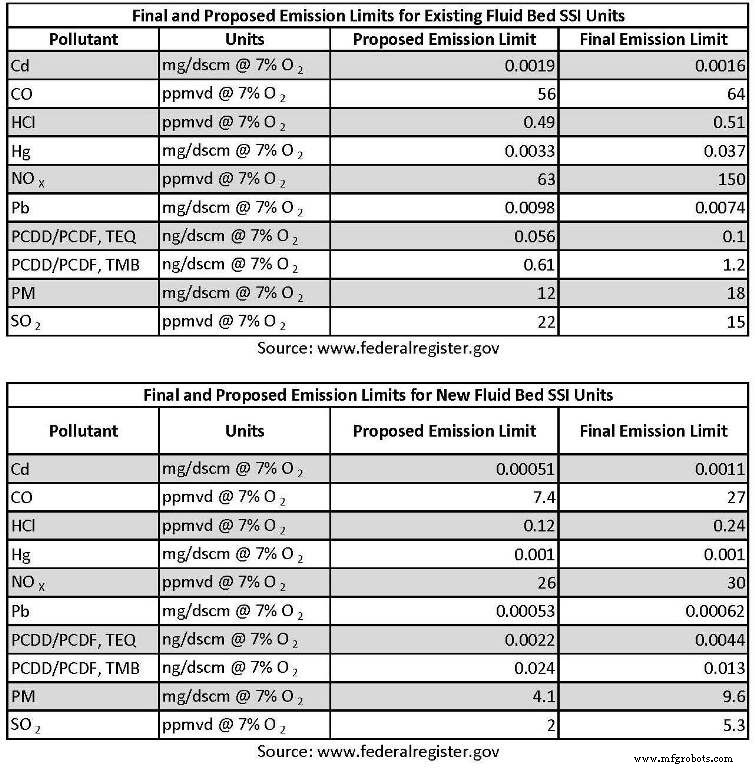
MACT refers to the regulatory framework under the Clean Air Act that requires industries to adopt the most effective pollution controls available for certain hazardous air pollutants. Section 112 of the Act mandates that any facility emitting 10 tons per year of a specific pollutant—or 25 tons per year of a combined pollutant group—must install controls that achieve the highest feasible technology standards.
A prominent example is the EPA’s mercury‑control regulations for power plants. While a “cap‑and‑trade” system for mercury was proposed but never adopted, the Obama administration issued rules in 2011 that capped emissions from coal‑ and oil‑fired plants.
How Have MACT Standards Changed Over Time?
In 1994, MACT rules were eased to allow existing facilities to continue operating without retrofits unless they underwent major redesign or expansion. Section 112(g) of the Clean Air Act defined “reconstruction” as changes costing at least 50% of a new unit’s cost, triggering the requirement for the highest achievable controls.
While this approach added upfront costs for large projects, it spurred investment in cutting‑edge control systems, yielding long‑term savings in consumables and energy.
What Is the “Once‑In/Always‑In” Rule? How Are These Rules Applied?
Established in 1995, the “once‑in/always‑in” rule classified a facility as a major source of hazardous air pollutants once it met emission thresholds. The designation was permanent; facilities could not downgrade to “area” status even if emissions fell below the threshold.
The rule was rescinded in October 2020, sparking debate among environmental groups. An 2018 EPA memo had already allowed some states to reclassify major facilities as area emitters, though such reclassification could be invalidated if the EPA reversed its stance.
While the rule forced plants to address emissions early, it also limited the ability of compliant facilities to reduce emissions further without re‑qualifying under MACT.
For instance, surface‑coating plants must keep certain hazardous chemicals below 0.1% of total coating mass to avoid counting toward the facility’s HAP inventory. Reclassification restrictions could unintentionally raise total HAP emissions over time.
SEE THE FULL LIST OF EPA MACT STANDARDS HERE
What Changes Are Coming to MACT Standards Next?
The Biden administration may reinstate the “once‑in/always‑in” interpretation, but political volatility could again make this rule a point of contention. The result may be further uncertainty for manufacturers, complicating long‑term capital planning.
As reshoring and industrial investment accelerate, certainty around MACT requirements becomes crucial. Companies should proactively assess how stricter controls could impact their operations and explore early adoption of compliant technologies.
How Can Companies Adapt to Changing MACT Standards?
Integrating MACT‑equivalent systems before regulations tighten can eliminate implementation lag and ensure compliance. Precise, consistent control technologies reduce material usage, lower operating costs, and improve environmental performance.
Autonomous manufacturing robots—leveraging 3D perception, AI, and process‑specific models—can perform skilled tasks with minimal human oversight. This enables high‑mix production lines to adapt rapidly while maintaining quality and repeatability.
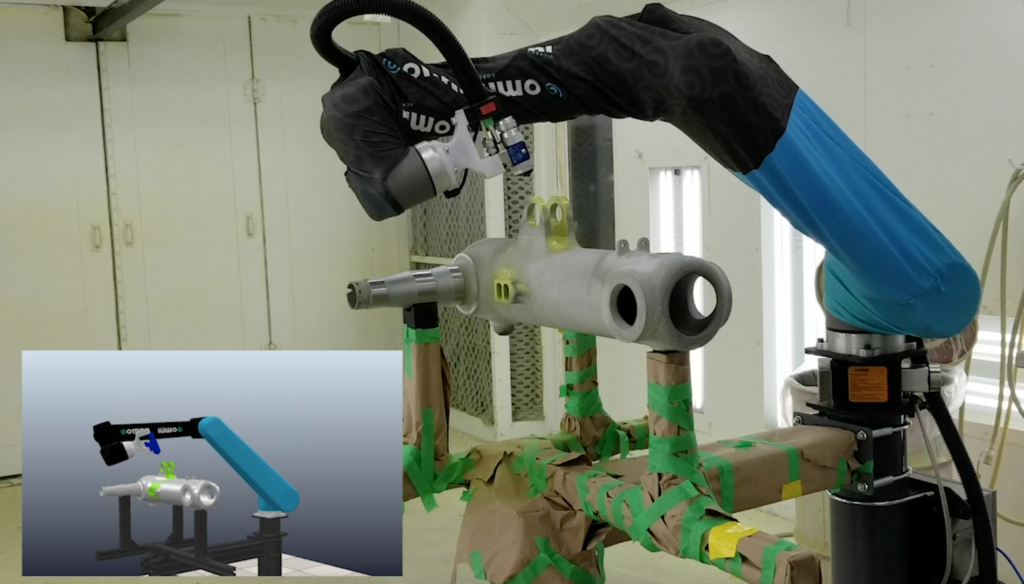
Beyond reducing human exposure, robotic systems transform ventilation and control strategies, allowing manufacturers to achieve true Maximum Achievable Controls and meet sustainability goals previously unattainable.
Omnirobotic offers autonomous robotics technology for spray processes, enabling industrial robots to see parts, autonomously plan motion, and execute critical coating and finishing tasks. See what kind of payback you can get from it here, or learn more about how you can benefit from autonomous manufacturing systems.
Industrial robot
- ANSI Standards Explained: How They Shape U.S. Manufacturing & Global Quality
- SLA vs. PolyJet: Choosing the Right 3D Printing Technology for Your Project
- How Manufacturers Can Leverage Chatbots for Lead Generation & Customer Engagement
- How the Defense Production Act Impacts Manufacturers: Key Insights
- Industrial Marketing Essentials: Key Insights for Manufacturers
- Small Manufacturers: How to Safeguard Against DDoS Attacks
- Precision Measurements 101: Essential Metrology for Manufacturing Excellence
- AC vs DC Motors: Key Differences & How to Choose the Right One
- Inverse Kinematics in Robotics: A Comprehensive, Practical Guide
- Tax Section 179 Explained: How Manufacturers Can Maximize Equipment Deductions