



SLA vs. PolyJet: Choosing the Right 3D Printing Technology for Your Project
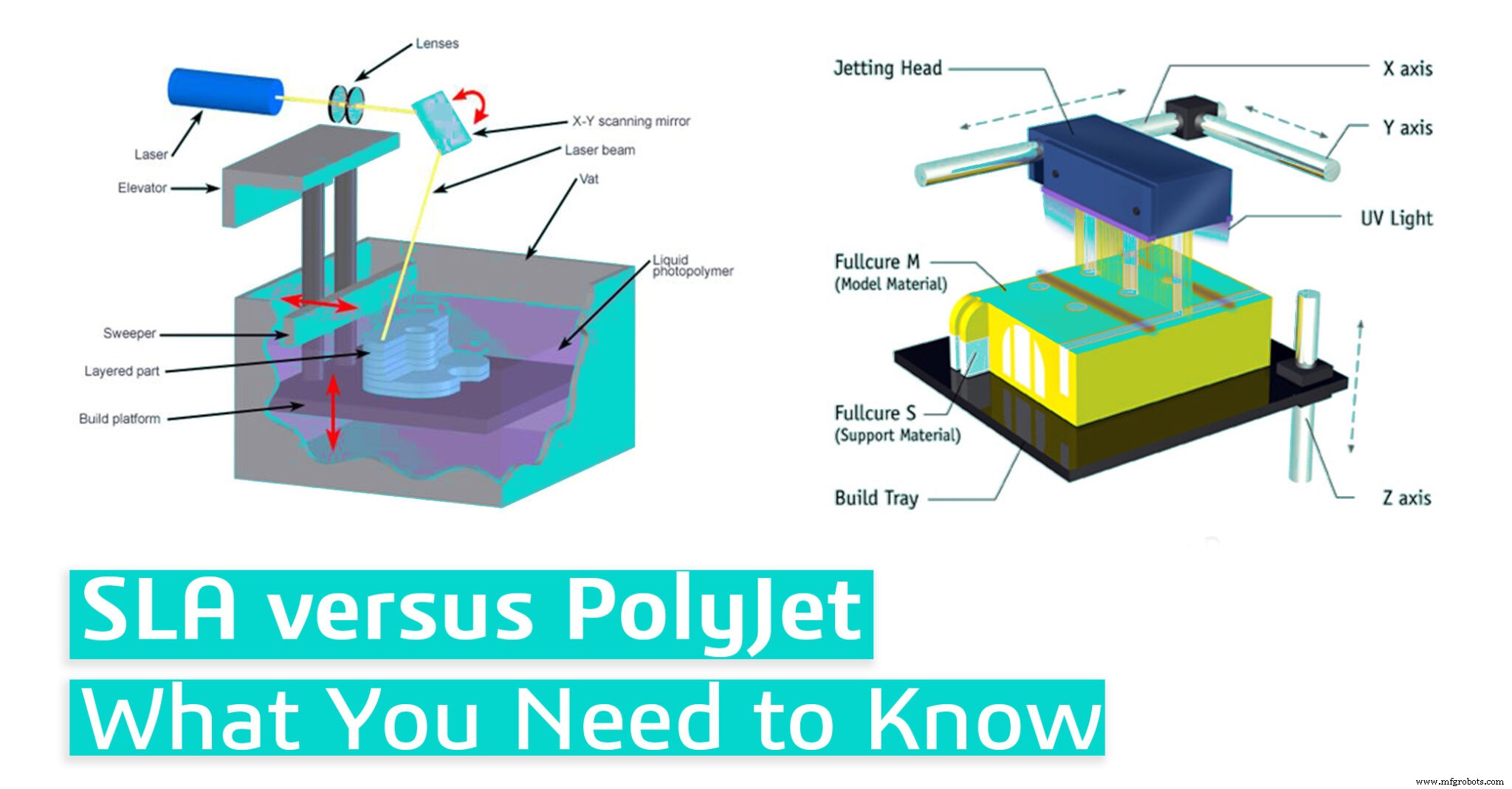
When engineers and designers evaluate a new 3D printing solution, the most common question is: Which technology will deliver the quality and performance I need? This article breaks down the two dominant resin‑based methods—SLA and PolyJet—highlighting their strengths, limitations, and ideal use cases.
What Is SLA?
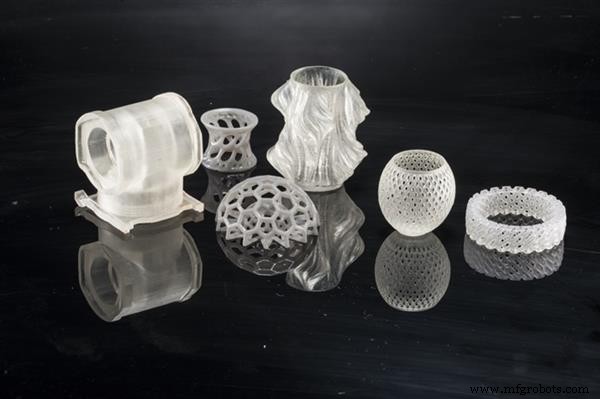
Stereolithography (SLA), first commercialized by Stratasys in 1986, uses a UV laser to photopolymerise liquid resin layer by layer. The laser traces each cross‑section, and a build platform lifts the part out of the resin pool as it solidifies. SLA is renowned for its sub‑50 µm layer heights, producing highly detailed, smooth surfaces that make it the go‑to for jewelry, dental models, and aesthetic prototypes.
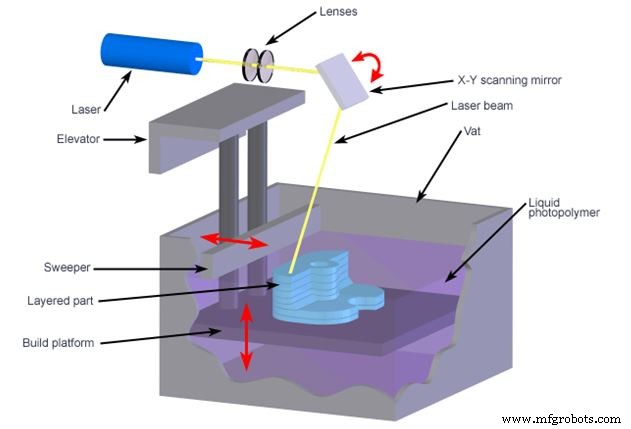
Benefits and Drawbacks of SLA
Pros:
- Exceptional surface finish and fine detail
- Wide range of commercially available resins (rigid, flexible, high‑temperature)
- Established support material that can be removed by peeling or dissolving
Cons:
- Parts can be brittle, limiting functional testing without additional post‑processing or material upgrades
- The open resin bath is messy and emits strong fumes; safety gear is essential
- Post‑curing in a UV chamber is often required to achieve maximum mechanical strength
Typical post‑processing steps include a two‑stage alcohol wash to remove uncured resin and a UV post‑cure cycle. While this process yields excellent finish, it adds time and cost.
Why PolyJet Stands Apart
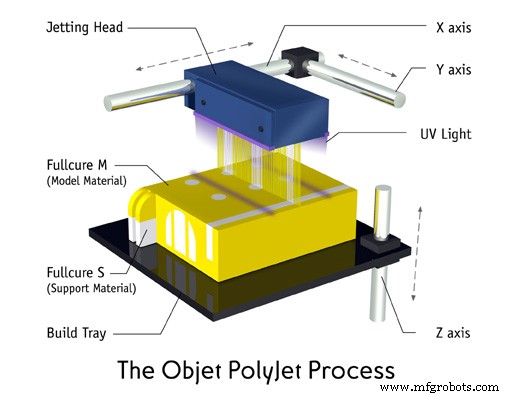
PolyJet technology, pioneered by 3D Systems in 2006, also relies on UV‑cured resin but delivers it through an inkjet‑style print head. This fundamental difference eliminates the resin pool entirely, allowing for:
- Soluble, wash‑away support material that can be dissolved in water
- Rapid layer deposition—multiple layers can be printed per second
- Fully cured parts that leave no liquid residue, cutting down or eliminating post‑processing
PolyJet printers can produce high‑resolution, multi‑material objects at speeds that exceed many SLA machines.
PolyJet’s Signature Advantage: Multi‑Material & Digital Materials
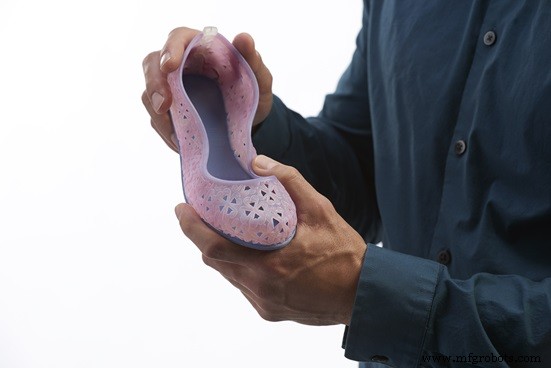
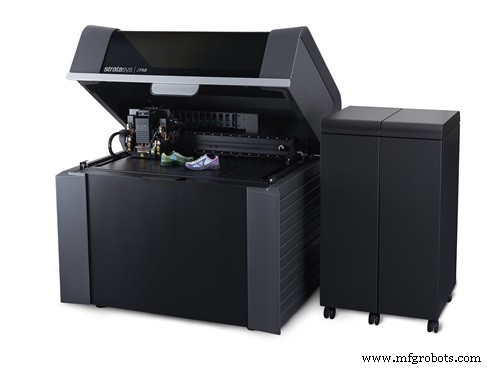
The true game‑changer is PolyJet’s ability to blend up to six different resins in a single build. On the J750, you can create a model that transitions from rigid to soft, or generate a full‑color gradient by defining material properties on a pixel‑by‑pixel basis. This capability opens doors to prototyping complex assemblies and “digital materials” that mimic real-world textures and mechanical behavior.
Choosing the Right Tool for Your Project
Both SLA and PolyJet occupy essential niches:
- SLA is ideal for ultra‑fine detail, aesthetic models, and when a single, high‑resolution material is required.
- PolyJet excels when you need soluble support, faster build times, or multi‑material/color features that SLA cannot match.
Ultimately, the decision hinges on the desired finish, mechanical requirements, and production volume. If you’re prototyping a functional part with complex geometry, PolyJet’s support system and multi‑material options often provide a decisive advantage.
Ready to Print with PolyJet?
For short runs, samples, or high‑detail prototypes, our FabLab is fully equipped with industry‑leading PolyJet technology. CADimensions is the trusted partner for 3D printing, combining expertise, state‑of‑the‑art equipment, and a commitment to quality.
3D Printing Services
Tags: 3D Printers, 3D Printing, J750, PolyJet, SLA
3D printing
- Carbon Fiber Molding: Essential Insights for Modern Manufacturing
- FRP Painting: Expert Guide to Protecting and Enhancing Fiber‑Reinforced Plastic
- Predictive Maintenance: Unlocking Efficiency and Risk Reduction with Data-Driven Insights
- Metal Additive Manufacturing: Key Insights for Modern Production
- Polyurethane Foam: From WWII Innovation to Everyday Essentials
- AC vs DC Motors: Key Differences & How to Choose the Right One
- SCR Demystified: How Silicon Control Rectifiers Power Modern Electronics
- D880 Transistor Explained: Features, Specs, and Use Cases
- 4‑Layer PCBs Explained: Key Insights for Advanced Circuit Design
- Equipment Financing 101: Save Money, Reduce Risk, and Secure Your Business