



Predictive Maintenance: Unlocking Efficiency and Risk Reduction with Data-Driven Insights

Ed Maguire, Insights Partner at Momenta Partners, highlights how leveraging data from physical assets can streamline processes, mitigate risks, and catalyze new revenue streams.
Predictive maintenance is now a priority for startups, consulting firms, and established industrial players alike. By addressing issues before they manifest, organizations can save time, reduce costs, and protect their reputation.
What Is Predictive Maintenance?
At its core, predictive maintenance uses real‑world data to forecast when a component or machine is likely to fail, enabling preemptive action. While the idea is straightforward, its implementation demands sophisticated analytics.
In high‑stakes sectors such as aerospace and transportation, preventing failures can be a matter of safety. For instance, although the recent Southwest Airlines incident may not have been predicted, the data from that event could be invaluable in averting future occurrences.
The Evolution Toward Predictive Maintenance
Traditional industrial maintenance is largely preventive, relying on scheduled inspections and routine replacements—think the 3,000‑mile oil‑change recommendation for vehicles. While helpful, such schedules do not predict future problems.
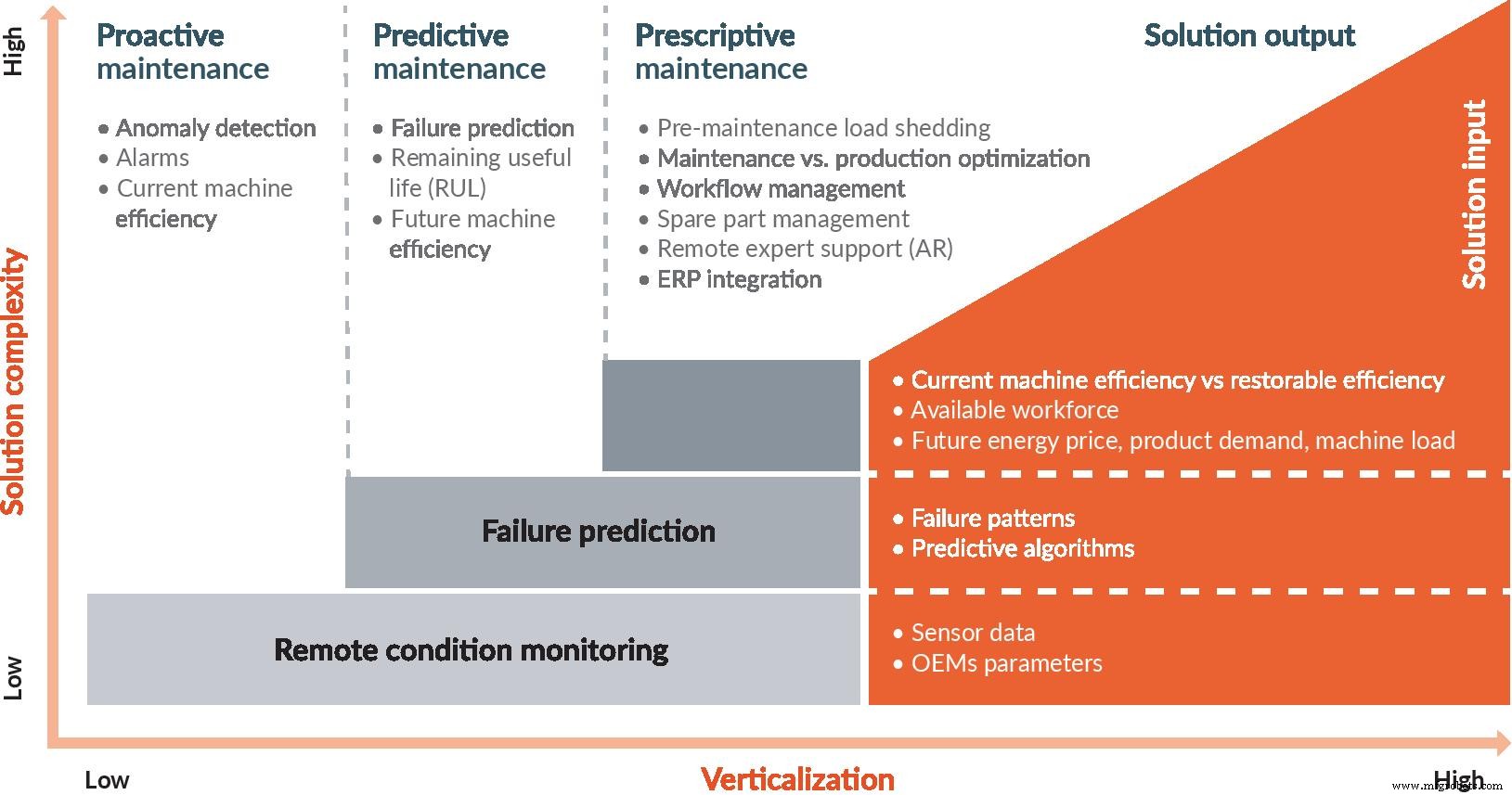
Condition monitoring introduces proactive maintenance by capturing real‑time sensor data—temperature, vibration, and more—to detect anomalies early. This shift moves firms from “scheduled” to “as‑needed” interventions.
Both preventive and proactive strategies fall short of forecasting the next failure. True prediction requires historical data, especially the window leading up to past breakdowns, to train algorithms that flag impending issues.
Historically, building predictive models demanded costly, highly specialized talent. However, the decline in storage costs, the rise of GPU‑accelerated machine learning, and the availability of commercial analytics platforms have democratized the technology.
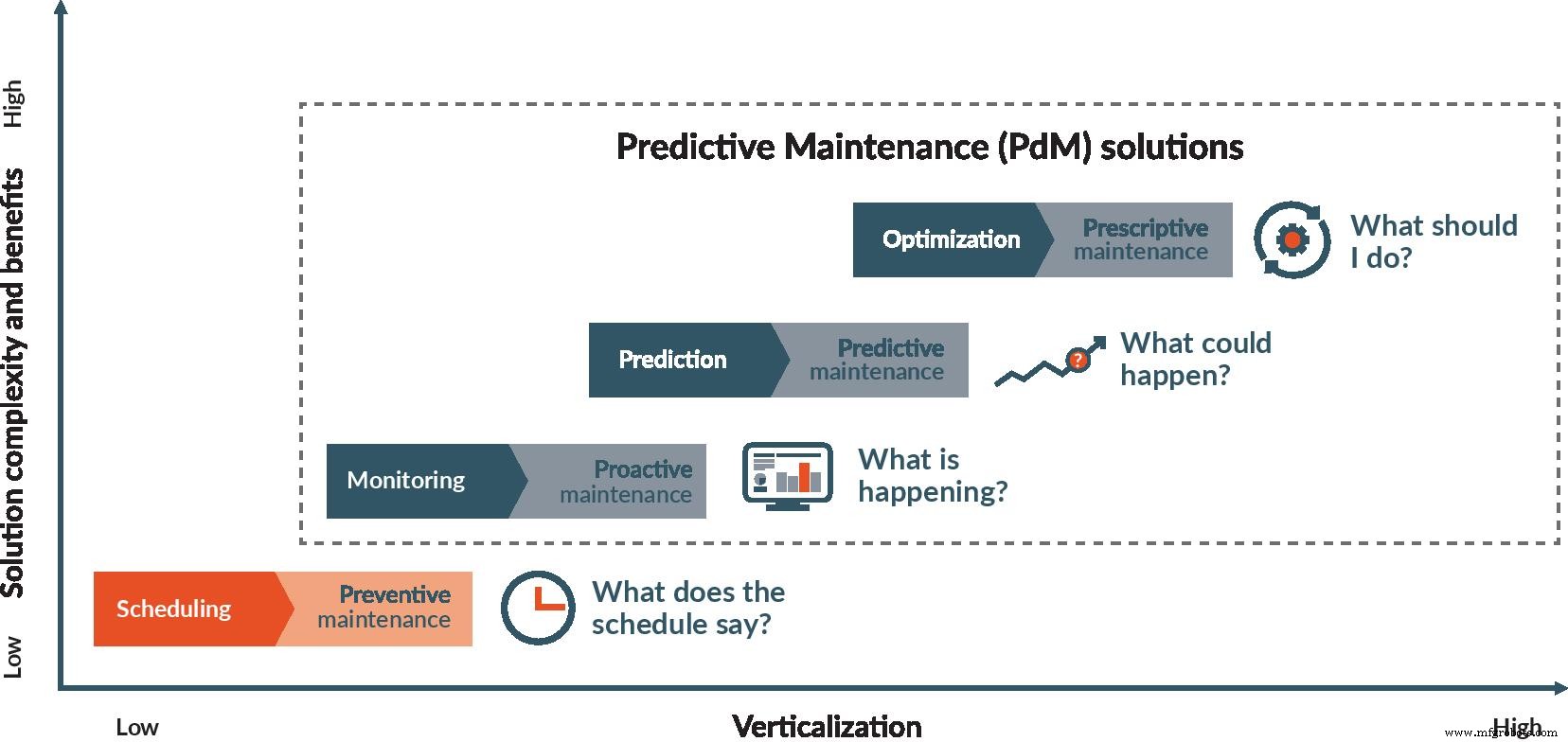
Once a predictive framework is operational, it can generate actionable recommendations—such as when to replace a bearing—minimizing downtime and human intervention.
Since the 1980s, predictive maintenance was the domain of high‑budget sectors like defense and aerospace. Today, the convergence of affordable hardware, cloud analytics, and open‑source machine‑learning libraries makes the approach accessible to mid‑market operators as well.
Many organizations still over‑maintain equipment, inflating costs without insight into actual asset health. By transitioning from preventive to predictive strategies, firms can cut maintenance spend, reduce unscheduled outages, and enhance safety.
Adopting predictive maintenance is a journey. Start by implementing reliable condition‑monitoring sensors, validate data quality, and then bring in data scientists or industry specialists to build, test, and refine predictive models.
Successful implementation delivers tangible benefits: lower maintenance costs, fewer unexpected shutdowns, improved safety, and ultimately, higher customer satisfaction.
To dive deeper, we recommend reading Realizing the Opportunity in Predictive Maintenance (PdM) Analytics.
The author of this blog is Ed Maguire, Insights Partner at Momenta Partners.
About the author:
Ed brings over 17 years of Wall Street experience in equity research and investment banking, coupled with deep expertise in enterprise software. He has a proven track record of uncovering strategic opportunities and translating complex data into actionable insights across technology, operations, and markets. Most recently, he served as senior analyst and managing director at CLSA Americas, covering the software industry, technology, and innovation.
Internet of Things Technology
- Comparing Maintenance Employment Costs: Why Outsourcing May Be Cost‑Effective
- SLA vs. PolyJet: Choosing the Right 3D Printing Technology for Your Project
- Unlocking Predictive Maintenance: The Future of Manufacturing Reliability
- Predictive Maintenance Explained: How to Minimize Downtime and Maximize Asset Performance
- Master IoT-Enabled Maintenance: Expert Strategies for Asset Health Monitoring
- Preventive Maintenance Demystified: A Complete Guide for Modern Organizations
- AC vs DC Motors: Key Differences & How to Choose the Right One
- Essential Predictive Maintenance Tools for Crane Reliability and Cost Savings
- Maintenance Data Explained: The Key to Reliable Asset Management
- D880 Transistor Explained: Features, Specs, and Use Cases