



Why Proper Management of Mobile IoT Devices Is Critical to Business Success
As the Fourth Industrial Revolution unfolds, the Internet of Things (IoT) is emerging as a key revenue engine across industries. “IoT has become the go‑to technology for efficient data management and utilization through the mass connection of devices,” says Gary Lee, Chief Revenue Officer at B2M Solutions.
Businesses are increasingly channeling capital into IoT initiatives to boost customer engagement, streamline operations, and improve margins. Yet before investing in this transformative technology, companies must first solidify their enterprise mobility strategy.
Why is that? Because IoT’s “things” include mobile devices—smartphones, tablets, wearables—that every employee now carries. While many firms have a basic mobile deployment plan, most struggle to manage these devices cost‑effectively and securely, a shortfall that can derail even the most ambitious IoT roll‑outs.
Inadequate Mobile Device Management Undermines IoT Success
The first step before launching an IoT program is a rigorous assessment of business need, projected ROI, and the organization’s capacity to absorb the technology’s total cost of ownership (TCO). While gauging ROI is straightforward, accounting for TCO—hardware, connectivity, maintenance, and support—often proves elusive.
IoT enables seamless data exchange among millions of devices over a vast network with minimal human intervention. For this ecosystem to operate smoothly, the health, location, and security of each device must be continuously monitored. Unfortunately, many companies neglect to track the “moving” components—especially mobile endpoints—which are pivotal to IoT’s value proposition.
Unmonitored mobile devices are prone to software glitches, battery failures, and security breaches. These incidents cause significant downtime, waste resources, and erode productivity—factors that inflate TCO and dilute ROI. Without a proactive monitoring strategy, organizations risk deploying expensive IoT solutions that underdeliver on revenue expectations.
Proactive Device Monitoring Maximizes IoT ROI

Once IoT is operational, the responsibility shifts from deployment to ongoing management. Mobile devices must receive regular bug fixes, software updates, and timely repairs—or replacements when failure is imminent.
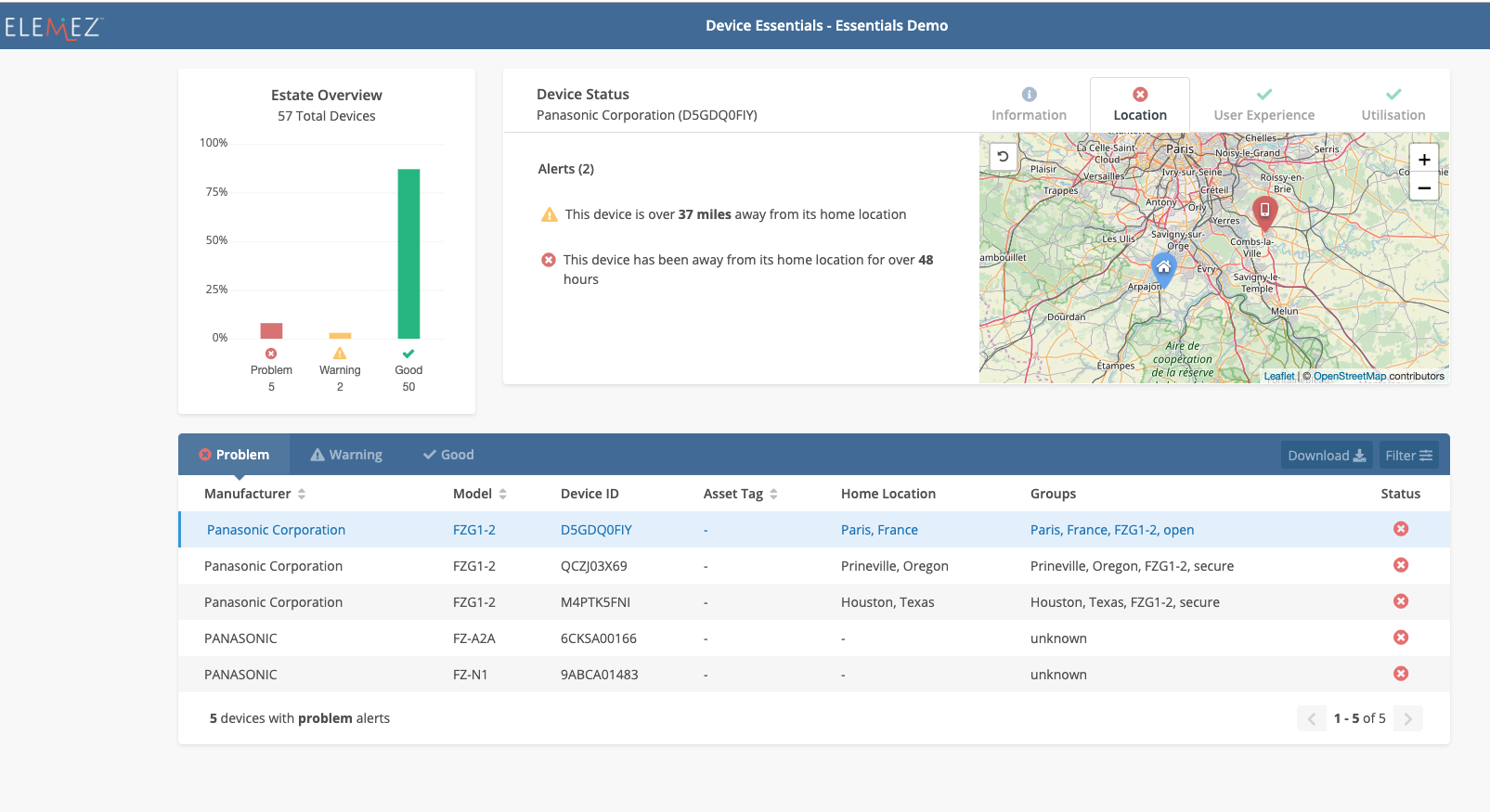
Every lapse in device health leads to productivity loss. In mission‑critical IoT applications, even brief outages can damage revenue streams and erode customer trust. The solution lies in proactive, real‑time monitoring of device health and location—a capability that was historically unavailable to IT departments.
With modern mobility management tools, IT teams can now track battery status, enforce software patching, and initiate remedial actions before a device fails. This level of visibility restores control over mobility assets, curtails revenue leakage, and informs a smarter IoT deployment strategy that delivers measurable ROI.
Author: Gary Lee, Chief Revenue Officer, B2M Solutions.
Internet of Things Technology
- Edge & Cloud Computing in IoT: A Concise Evolutionary Overview
- 5 Key Wireless Standards Powering IoT Connectivity
- FusionHD: Intelligent Flash Memory for Next‑Gen IoT
- Optimizing Your IoT Launch: Proven Strategies for Success
- Building the Foundation for Enterprise IoT Success
- Could Enterprises Become the Next MVNOs? Unlocking IoT Revenue for Operators
- Balancing IoT Innovation and Risk: Key Insights from a Leading Conference
- Top 6 IoT Trends Shaping 2016 and Beyond
- How 5G Adoption Enhances IoT Security: What You Need to Know
- Why Your Connected Devices Need an IoT Framework: 5 Key Benefits