



IoT-Enabled Farming: A Smart Solution to Expand Food Access
Why Food Access Still Matters in the Digital Age
According to Holger Kuehnle, executive creative director at Artefact, 19 million Americans live in food deserts, and roughly 40 % of U.S. food production is wasted. These figures highlight a critical inefficiency in our current food system.
Bridging the Gap with IoT
Agriculture is one of the few major industries that remains largely under‑digitised. The Internet of Things (IoT) offers a powerful avenue to inject data‑driven precision into farming practices, improving accessibility for underserved communities.
Democratizing Agricultural Expertise
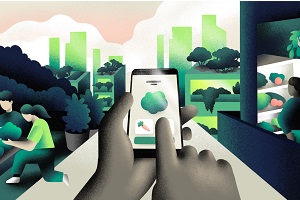
Traditional community and personal gardens are valuable but difficult to scale. An IoT‑powered system can bring advanced horticultural knowledge to anyone. Imagine a rooftop garden on a high‑rise that operates year‑round, with sensors, automated irrigation, and robotic tending for sowing, pruning, and harvesting—all managed without daily human intervention.
Specialized IoT sensors and system‑on‑chip (SoC) devices can monitor moisture, soil nutrients, plant health, and ripeness in real time. By automating these tasks, we lower entry barriers and broaden participation in urban agriculture.
Boosting Efficiency with Smart Data
Emerging sustainable farming methods already reduce water, light, and soil usage. By 2030, integrated IoT ecosystems—comprising sensors, connected pumps, and machine‑learning analytics—will be able to adjust inputs for each plant, ensuring optimal growth conditions in any setting.
Personalizing Food Production for Communities
IoT systems can analyze climate trends and local consumption habits to forecast demand. Machine‑learning models can allocate growing space to high‑demand crops and streamline distribution within a community, making fresh produce more available when it matters most.
Addressing Key Challenges
Cost Considerations
While the upfront investment for a sophisticated IoT setup is non‑trivial, it is not prohibitive. Companies like AeroFarms and Vertical Harvest already demonstrate the viability of vertical farming in urban U.S. contexts. Governments are also taking notice—Singapore plans to triple domestic food output by 2030 through tech‑backed, multi‑story LED farms and recirculating aquaculture systems.
Privacy and Trust
Large‑scale data collection fuels the predictive power of these systems, yet it must be protected against misuse. Transparent data governance and clear ownership policies are essential, especially in communities with limited trust in centralized authorities.
Behavioral Change
Providing fresh produce alone does not guarantee healthier eating habits. Cultural, social, and educational factors play a major role. Designers must engage directly with end‑users to co‑create solutions that resonate with lived experiences.

IoT: A Path to Greater Food Equity
Despite the challenges, IoT offers a unique lever to reduce inefficiencies in food production and distribution. By targeting the root causes of inequity, it can help bring fresh, nutritious food to those who need it most.
The author is Holger Kuehnle, executive creative director at Artefact.
About the Author
Holger Kuehnle leads project teams through complex design challenges, shaping technology to empower people. With a master’s degree in Human‑Computer Interaction from Carnegie Mellon University, he has held leadership roles at Volkswagen and as manager of the Windows Core UX design team at Microsoft. He frequently presents on data visualisation and emerging technology at conferences such as IxDA and All Tech is Human.
Internet of Things Technology
- Harnessing Connected Product Data: How IoT Analytics Drive Innovation and Trust
- Transitioning Industrial Control Systems to Wireless Networks
- Is Your Manufacturing Facility Ready for IoT? A Practical Guide
- How IoT Revolutionizes Agriculture: Key Benefits & Smart Farming Insights
- Revolutionizing Agriculture: How IoT Drives Efficiency and Sustainability in Modern Farming
- Advanced AI‑Powered IoT System for Early Forest Fire Detection & Tree Health Monitoring
- 8 Key Advantages of Integrating IoT into SCADA Systems
- How IoT Revolutionizes Vehicle Tracking Systems
- Revolutionizing Fleet Management: How IoT Drives Efficiency and Insight
- IoT-Powered Gas Detection System: Enhancing Safety in Hospitality and Industrial Settings